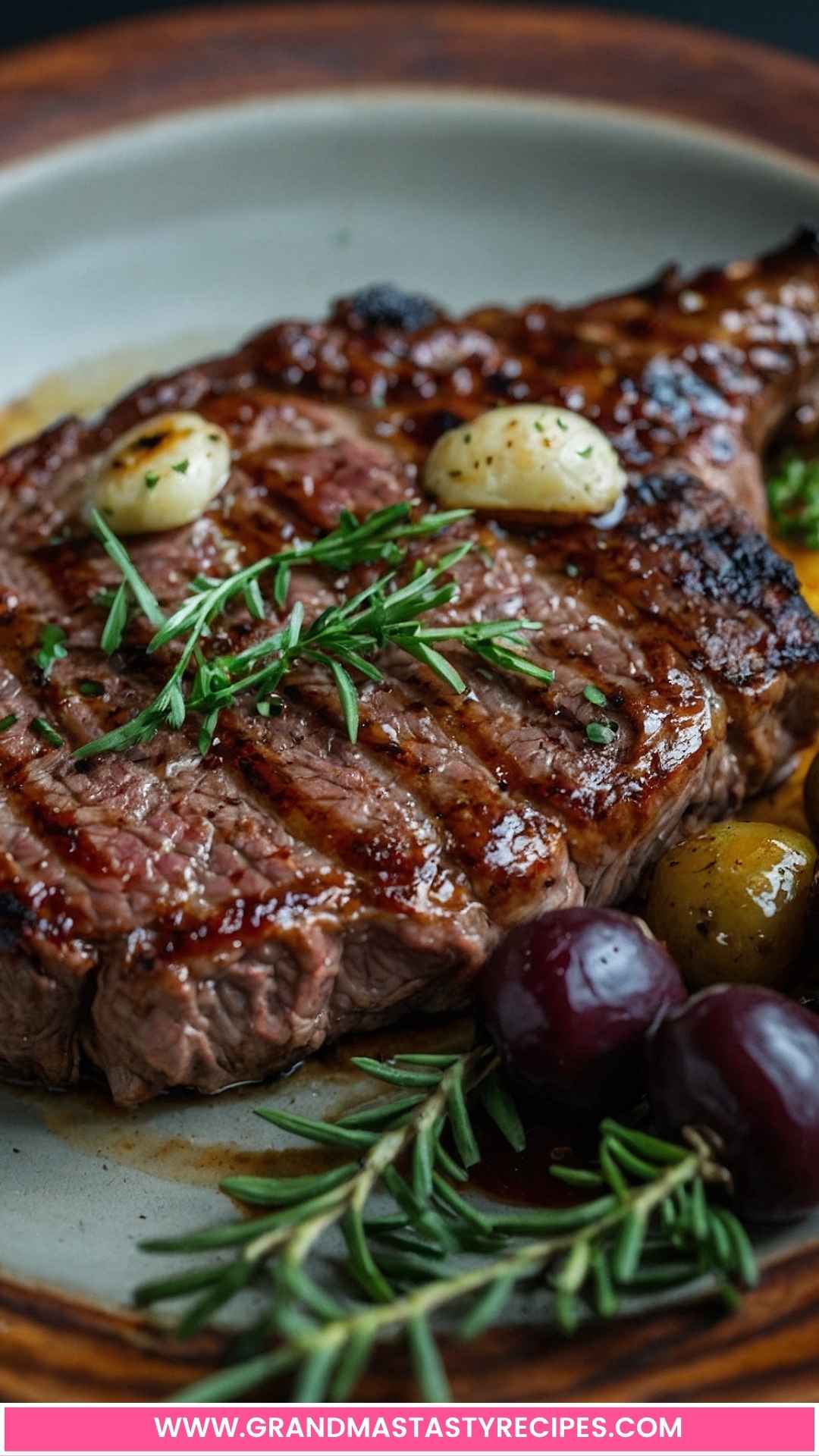
Imagine yourself at a backyard barbecue, the tantalizing aroma of a bone-in ribeye sizzling on the grill. Before we dive into the details of this impressive cut of meat, let’s explore some delightful pairings that can elevate your dining experience.
First on the list is a simple arugula salad. The peppery flavors of arugula, tossed with a drizzle of balsamic vinaigrette, complement the rich, fatty notes of the ribeye. You can throw in some shaved Parmesan for a touch of elegance.
Next, consider a hearty potato salad. Whether you choose a creamy version with mayonnaise or a zesty version with mustard, potatoes found their soulmate in steak.
And what about a side of grilled asparagus? The slight char and crunch of this vegetable balance the juicy tenderness of the ribeye perfectly.
Lastly, for a classic twist, serve some crusty bread and a compound butter. Flavored butters made with herbs or garlic can really enhance this beautiful steak's flavor.
What is Bone-In Ribeye?
Bone-in ribeye, also known as ribeye steak with the bone left in, is a cut that sets itself apart with its marbling and flavor. It’s cut from the rib section of the cow, which is known for its tenderness.
The bone not only adds flavor but also helps keep the meat juicy during cooking. When cooked properly, a bone-in ribeye offers a delightful combination of rich beef flavor, tenderness, and a satisfying chew.
Why This Recipe Works
This ribeye recipe relies on straightforward techniques that bring out the best qualities of this cut. By using simple ingredients like salt, mustard, and herbs, you allow the meat’s inherent flavors to shine through.
Each component serves a purpose. The butter adds richness, while the olive oil helps achieve a perfect sear. The garlic, rosemary, and thyme infuse the steak with aromatic goodness. With just a bit of prep, you can achieve restaurant-quality results at home.
What You'll Need to Make This Dish
To create your own bone-in ribeye, you won’t need a treasure chest of ingredients. Here’s the needed list:
- 4 tbsp of unsalted Butter, divided
- 2 tbsp of Extra Virgin Olive Oil
- 1 tbsp of Coarse Sea Salt
- 1 tbsp of Dijon Mustard
- 1 tsp of Smoked Paprika
- 2 Bone-In Ribeye Steaks, approximately 1 inch thick (around 20 oz each)
- 4 Garlic Cloves, smashed
- 2 sprigs of Fresh Rosemary
- 4 sprigs of Fresh Thyme
How to Make Bone-In Ribeye?
Before diving into the step-by-step instructions, the cooking process for a ribeye involves searing and roasting. This method helps to lock in juices and flavor, ensuring a delicious meal.
Step 1: Preparing the Steaks
Start by bringing the steaks to room temperature. This allows the meat to cook more evenly. Pat each steak dry with paper towels. Moisture is the enemy of a good sear.
Step 2: Seasoning
Generously season both sides of the steaks with coarse sea salt. Next, spread Dijon mustard over each steak. This not only adds flavor but also helps the spices stick. Sprinkle smoked paprika evenly over both sides as well.
Step 3: Heating the Skillet
In a cast-iron skillet (or another heavy oven-safe skillet), heat the olive oil over medium-high heat. You want the oil hot but not smoking. A hot pan is essential for a great sear.
Step 4: Searing the Steaks
Once the oil is shimmering, carefully place the ribeyes in the skillet. Sear them for about 4-5 minutes on each side. Resist the urge to move them around. This creates a beautiful crust, which enhances the flavor.
Step 5: Adding Aromatics
After the initial searing, add the smashed garlic, rosemary, and thyme to the skillet. Then, add 2 tablespoons of butter. As it melts, spoon the buttery garlic and herbs over the steaks. This technique is called basting and gives phenomenal flavor to the meat.
Step 6: Finishing in the Oven
Preheat your oven to 400°F (200°C). After searing, transfer the skillet to the oven. Cook the steaks for about 5-7 minutes for medium-rare, or until they reach your desired doneness. Use a meat thermometer, aiming for 130°F (54°C) for medium-rare.
Step 7: Resting the Steaks
Once done, remove the skillet from the oven. Transfer the steaks to a plate and loosely tent them with aluminum foil. Let them rest for at least 5-10 minutes. This resting period allows juices to redistribute, ensuring every bite is juicy.
Tips
Here are some useful tips to get the best results when preparing a bone-in ribeye:
- Choose Quality Meat: Look for steaks with good marbling. This intramuscular fat enriches flavor and tenderness.
- Room Temperature: Always let the steaks sit at room temperature for about 30 minutes before cooking.
- Sear Right: A hot skillet is vital. A good sear helps develop the crust that gives incredible flavor to your steak.
- Use a Thermometer: To avoid guesswork, invest in a meat thermometer. It takes the anxiety out of cooking the perfect steak.
- Flavor Variations: Experiment with different herbs and spices. Try rosemary and thyme, or even some crushed red pepper for a kick.
How to Store Leftovers
If you have any leftovers (which may be unlikely), let the steaks cool completely before wrapping them tightly in aluminum foil or placing them in an airtight container.
They can be refrigerated for up to 3 days. To reheat, warm them gently on a skillet over low heat, adding a splash of broth to keep them moist.
How Would I Recommend Serving Bone-In Ribeye?
Here are some delightful serving suggestions for your bone-in ribeye:
- Top with Herb Butter: Finish your steak with a pat of herb-infused butter. The melting butter will create a rich sauce that coats the meat beautifully. Try mixing garlic, parsley, and lemon zest for an added zing.
- Pair with Wine: A full-bodied red wine like Cabernet Sauvignon will complement the steak nicely. The wine's tannins balance the richness of the meat, making for a refined meal experience.
- Sides Galore: Serve with a duo of sides—a loaded baked potato and steamed broccoli. The creamy potato balances the savory ribeye while the broccoli adds a refreshing crunch.
- Steak Sandwich: For a quick lunch the next day, slice leftovers thinly and place them in a crusty roll with some arugula and garlic aioli. It’s a delicious way to repurpose your steak into something new.
What Alternatives Can You Use for the Ingredients if Not Available?
Sometimes, you might find yourself short on ingredients. Here are some clever substitutes to keep you on track:
- Unsalted Butter: If you’re out of butter, ghee works great. It has a slightly nutty flavor and handles high heat well.
- Extra Virgin Olive Oil: Can’t find olive oil? Use avocado oil. It has a high smoke point and a neutral flavor that won’t compete with the steak.
- Coarse Sea Salt: If you have table salt, that’s an option as well. Just be cautious with the amounts, as table salt is finer and saltier.
- Dijon Mustard: In a pinch, whole grain mustard can bring a similar flavor profile and add interesting texture to the marinade.
Conclusion
Cooking a bone-in ribeye is not just about preparing a meal. It’s about bringing people together, creating memories, and enjoying the richness of life. With a little care, attention to detail, and perhaps a few friends to share it with, you’ll find this dish to consistently impress.
So grab your steak, fire up that grill or stove, and let your culinary adventure begin. You might just discover a new favorite go-to for any gathering, cozy dinner, or celebration!
You’ll also like the following recipes!