Who doesn’t love steamed buns? Seriously, they are a bite of heaven. I like to think of them as little pockets of joy, and I never turn down a baozi. These soft and fluffy treats are perfect for casual lunch gatherings or even cozy dinners.
One time, a friend brought a batch of these heavenly buns to a potluck, and I was hooked. Ever since, I have been on a mission to perfect my vegetarian baozi recipe, ensuring that every bun is stuffed to the brim with a delicious filling. Trust me, if you serve these at your next get-together, they will disappear faster than a box of donuts at a morning meeting!

Today, I’m thrilled to share my vegetarian baozi recipe, a dish that beautifully showcases simplicity without sacrificing flavor. These steamed buns are filled with delightful goodness—think tender greens, umami-rich mushrooms, and some seasoning magic.
Perfect for meal prep or impressing guests, baozi are versatile, healthy, and make a fantastic snack or meal. Whether you’re a baozi newbie or a seasoned pro, this recipe is straightforward enough for anyone to try.
You Might Like These Recipes!
What is baozi recipe vegetarian?
Vegetarian baozi are traditional Chinese steamed buns filled with a variety of vegetable mixtures. The outer dough is soft, pillowy, and starch-rich, while the filling delivers a punch of flavor. Typical vegetarian options can include mushrooms, bok choy, and tofu. What sets these buns apart is the delicate balance between a satisfying filling and the lightly chewy texture of the dough. With this recipe, you’ll learn how to make them from scratch, ensuring you can enjoy a wholesome homemade version bursting with taste!
Why This Recipe Works?
Success with baozi hinges on a few key elements: high-quality ingredients, appropriate cooking techniques, and a little patience. By carefully preparing the filling, ensuring you don’t have excess moisture, and allowing the dough to rise properly, you’ll end up with a batch of fluffy buns! This recipe transforms traditional flavors into a vegetarian-friendly delight, making it accessible to those with dietary preferences without compromising on taste or texture. Plus, the inclusion of fresh bok choy and shiitake mushrooms brings a fresh bite to the mix.
Ingredients You’ll Need To Make This baozi recipe vegetarian
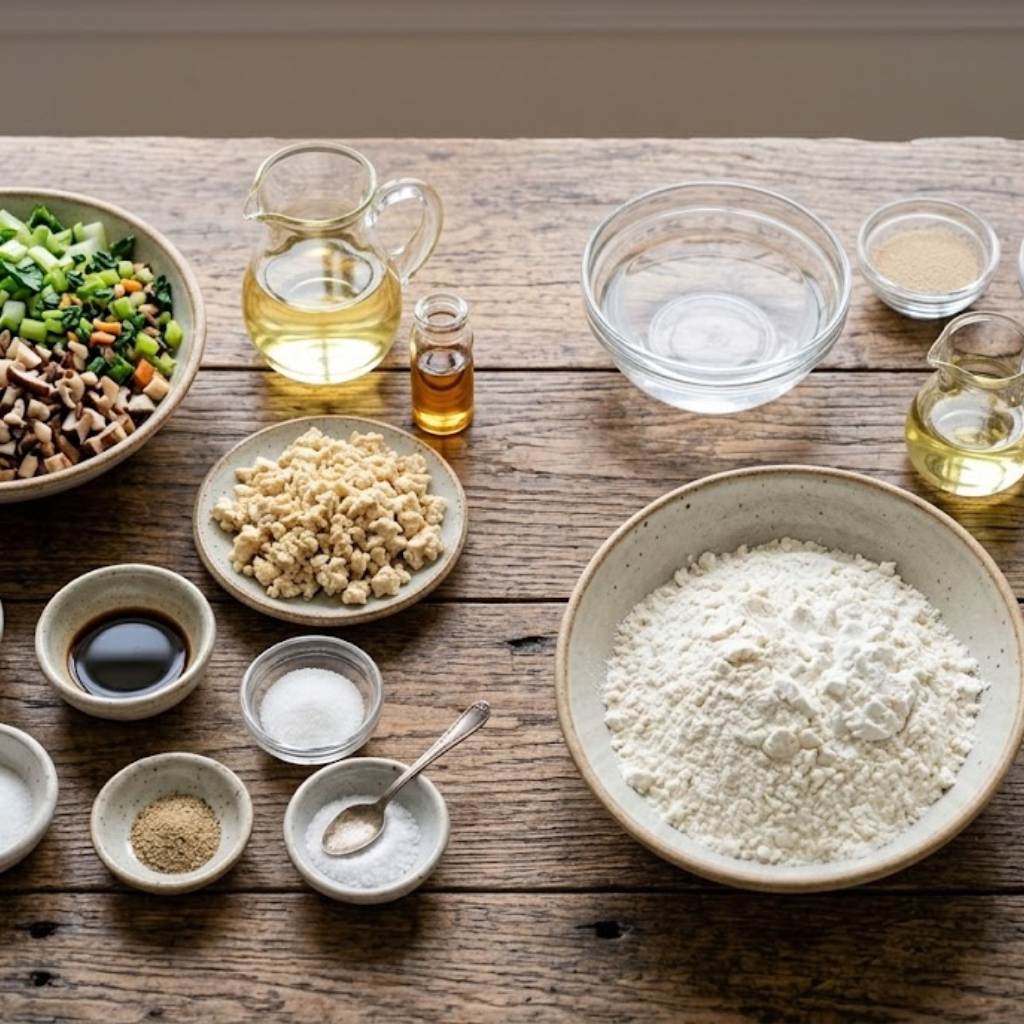
For the filling:
– 1 pound baby bok choy (washed thoroughly and chopped)
– 8 fresh shiitake mushrooms (finely chopped)
– 3 tablespoons vegetable oil (split into portions)
– 4 ounces dried bean curd (pressed and crumbled)
– 1 teaspoon light soy sauce
– ½ teaspoon white sugar
– ½ tablespoon sesame oil
– ⅛ teaspoon ground white pepper
– Salt (as needed for seasoning)
– 1 teaspoon grated ginger (for an extra zing)
For the dough:
– ¾ cup warm water
– 1 teaspoon instant yeast
– 1 tablespoon granulated sugar
– 1 tablespoon vegetable oil (plus 1 teaspoon reserved)
– 2 cups all-purpose flour
– 2 tablespoons cornstarch
– ¼ teaspoon salt
– ⅛ teaspoon baking soda
– 1 tablespoon rice vinegar (to give the dough a slight tang)
Ingredients From : thewoksoflife.com
How to make baozi recipe vegetarian?
Making baozi at home is quite accessible. The process involves preparing the filling and the dough separately before bringing them together. The key is to allow time for the dough to rise adequately, resulting in the perfect fluffy texture. Ready? Let’s get started!
Step-by-step directions
Step 1: Prep the Filling
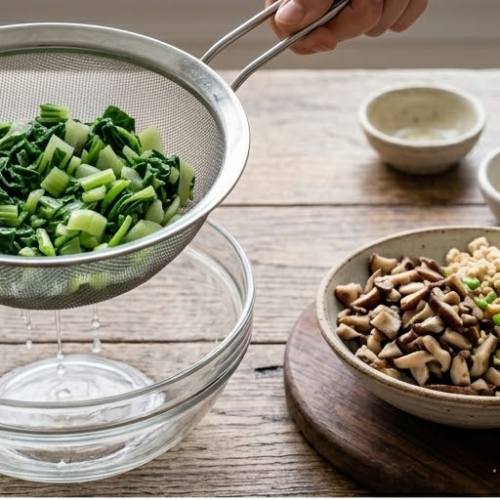
Start by bringing a pot of water to boil. In the meantime, fill a bowl with ice water for ice-bath purposes. Once you’ve got that rolling boil, briefly blanch the chopped bok choy in batches for about 10 seconds—this keeps them vibrant and fresh. Grab a slotted spoon, transfer the bok choy to the ice bath to cool off, and let it relax.
When the bok choy is chilled, take it out and squeeze out any excess water—not squeezing enough might lead to soggy buns later. This step is super important! Now, finely chop the bok choy and place it in a mixing bowl.
Next, take your shiitake mushrooms and sauté them for about 3 to 4 minutes in a hot wok with 2 tablespoons of vegetable oil until they’re aromatic. Allow them to cool down. After that, chop the dried bean curd into small pieces and combine them with the bok choy and mushrooms.
To season your filling, pour off any liquid from the vegetable mixture. Add in the mushroom mix, crumbled bean curd, 1 tablespoon of oil, light soy sauce, white sugar, sesame oil, ground white pepper, and salt. Give it a good mix and allow the filling to marinate in the refrigerator for flavor development.
Step 2: Prepare the Dough
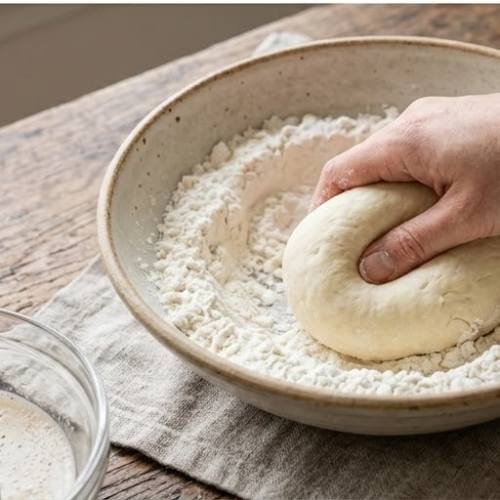
In a bowl, whisk together the warm water, yeast, and sugar until the yeast dissolves. Allow it to sit for approximately 15 minutes until it foams. In another bowl, combine the flour, cornstarch, salt, and baking soda.
Once the yeast is bubbly, stir in the 1 tablespoon of vegetable oil and combine it with the dry ingredients using a spatula. Knead the dough with your hands for about 6 to 8 minutes until it becomes soft and smooth. Don’t hesitate to add a little more flour (1 tablespoon at a time) if the dough feels sticky or drops in moisture if it feels dry. You want it smooth, but not tacky!
Brush the dough lightly with the reserved teaspoon of oil, then cover it with plastic wrap. Set the bowl in a warm spot until the dough doubles in size (about an hour).
Step 3: Shape the Buns
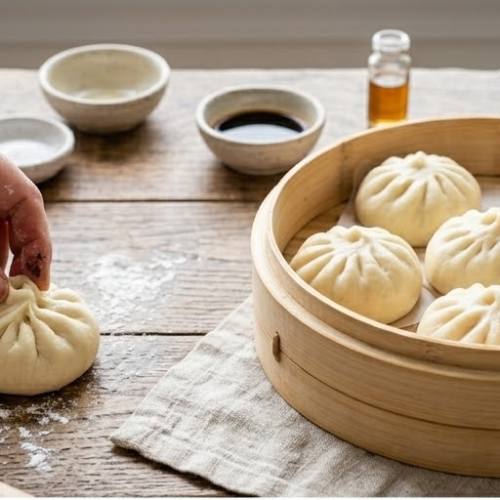
After the dough has risen, punch it down to release air. Divide it into 14 even pieces and cover with a kitchen towel so they don’t dry out.
On a lightly floured surface, take a piece of dough, roll it from edge to center while rotating, until you form a roughly 4-inch disc, thicker in the center. Place about 2½ tablespoons of your filling right in the middle of each round. Now, gather the edges of the dough and pinch or twist until everything is sealed inside.
Line each bao with a piece of parchment paper to keep the bottom from sticking, and place on the steaming rack, leaving enough space between each bun.
Step 4: Steam the Buns
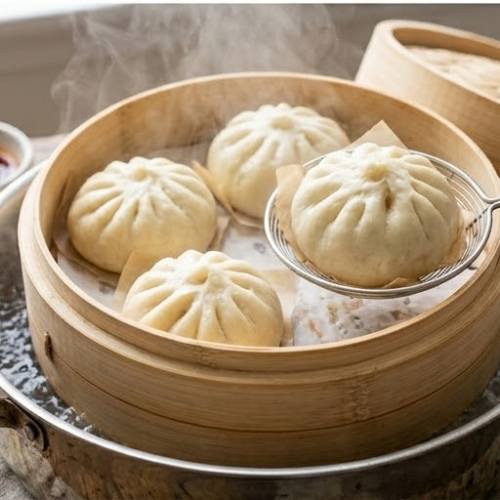
Before you turn on the heat, let your assembled buns rest for about 20 minutes. Meanwhile, prepare your steaming setup—make sure your steaming rack is elevated above boiling water, so your buns don’t get soggy.
After resting, turn the heat on high until the water starts to boil. Once you see steam, reduce the heat to medium and steam for another 10 minutes. When the time is up, turn off the heat but avoid lifting the lid for the next 5 minutes. This way, your buns keep their fluffiness.
Once the time’s up, take a deep breath and then open the lid. Enjoy these steaming hot baozi right away, or engage in some leftovers for later!
Tips
– Meal Prep Thanks: Make a double batch and freeze the uncooked baozi. When you get a craving, just steam directly from frozen—no need to thaw!
– Flavor Boost: Experiment with a splash of soy sauce in the dough for a hint of umami.
– Cut Time: Use a food processor to chop your filling ingredients quickly and efficiently.
– Perfectly Steamed: Keep an eye on your water levels in the steaming pot; you don’t want it to run dry!
– Customize Fillings: Feel free to get creative with other vegetables or even add cooked tofu for extra protein!
How to Store The Leftovers?
If you happen to have extra baozi, store them in an airtight container in the refrigerator for about 3 to 4 days. For longer-term storage, you can freeze them wrapped well in plastic wrap or foil and then place them in a freezer-safe bag. Reheating is simple—just pop them in the microwave for about 1 minute, or re-steam for around 6-8 minutes until heated through.
What are some recommended side dishes for baozi recipe vegetarian?
– Cucumber Salad: Crisp and refreshing to contrast the baozi’s softness—mix cucumbers, rice vinegar, and a pinch of sugar.
– Miso Soup: A light broth that complements the flavors of the baozi and makes a warming addition to your meal.
– Sautéed Greens: Quick sautéed bok choy or spinach with garlic adds a healthy boost.
– Pickled Vegetables: Tangy pickles balance the richness of baozi and add crunch to your plate.
– Sesame Noodles: Cold sesame noodles with a nutty sauce create a delightful pairing with steamed buns.
If the items are not available in your pantry, what are some substitute options for the ingredients?
– Bok Choy Substitute: Use Napa cabbage or Swiss chard; either will provide a similar texture and taste.
– Shiitake Mushrooms Substitute: Try button mushrooms or cremini mushrooms for a different flavor profile.
– Dried Bean Curd Substitute: Silken tofu works in a pinch, but drain extra moisture; it’s lighter and delivers a similar texture.
– Vegetable Oil Substitute: Any neutral oil like canola or grapeseed oil will suffice.
– Rice Vinegar Substitute: White vinegar can be used, though it’s more acidic—just reduce the amount slightly.
Conclusion
Homemade vegetarian baozi might seem intimidating, but once you give it a try, you’ll discover it’s not only rewarding but also a lot of fun! With this recipe in hand, you can impress friends and family with delicious, fluffy buns filled with fresh ingredients.
The culinary world is vast, but there’s something special about mastering a traditional dish like baozi. Now go ahead and gather your ingredients, pop on your apron, and let the baozi adventure begin!
You Might Also Like These Latest Recipes!

Baozi Recipe Vegetarian – Grandma’s Tasty Recipes
Description
Today, I'm thrilled to share my vegetarian baozi recipe, a dish that beautifully showcases simplicity without sacrificing flavor. These steamed buns are filled with delightful goodness—think tender greens, umami-rich mushrooms, and some seasoning magic.
Ingredient
For the filling:
For the dough:
Instructions
Step 1: Prep the Filling
-
Start by bringing a pot of water to boil. In the meantime, fill a bowl with ice water for ice-bath purposes. Once you’ve got that rolling boil, briefly blanch the chopped bok choy in batches for about 10 seconds—this keeps them vibrant and fresh. Grab a slotted spoon, transfer the bok choy to the ice bath to cool off, and let it relax.
-
When the bok choy is chilled, take it out and squeeze out any excess water—not squeezing enough might lead to soggy buns later. This step is super important! Now, finely chop the bok choy and place it in a mixing bowl.
-
Next, take your shiitake mushrooms and sauté them for about 3 to 4 minutes in a hot wok with 2 tablespoons of vegetable oil until they’re aromatic. Allow them to cool down. After that, chop the dried bean curd into small pieces and combine them with the bok choy and mushrooms.
-
To season your filling, pour off any liquid from the vegetable mixture. Add in the mushroom mix, crumbled bean curd, 1 tablespoon of oil, light soy sauce, white sugar, sesame oil, ground white pepper, and salt. Give it a good mix and allow the filling to marinate in the refrigerator for flavor development.
Step 2: Prepare the Dough
-
In a bowl, whisk together the warm water, yeast, and sugar until the yeast dissolves. Allow it to sit for approximately 15 minutes until it foams. In another bowl, combine the flour, cornstarch, salt, and baking soda.
-
Once the yeast is bubbly, stir in the 1 tablespoon of vegetable oil and combine it with the dry ingredients using a spatula. Knead the dough with your hands for about 6 to 8 minutes until it becomes soft and smooth. Don’t hesitate to add a little more flour (1 tablespoon at a time) if the dough feels sticky or drops in moisture if it feels dry. You want it smooth, but not tacky!
-
Brush the dough lightly with the reserved teaspoon of oil, then cover it with plastic wrap. Set the bowl in a warm spot until the dough doubles in size (about an hour).
Step 3: Shape the Buns
-
After the dough has risen, punch it down to release air. Divide it into 14 even pieces and cover with a kitchen towel so they don’t dry out.
-
On a lightly floured surface, take a piece of dough, roll it from edge to center while rotating, until you form a roughly 4-inch disc, thicker in the center. Place about 2½ tablespoons of your filling right in the middle of each round. Now, gather the edges of the dough and pinch or twist until everything is sealed inside.
-
Line each bao with a piece of parchment paper to keep the bottom from sticking, and place on the steaming rack, leaving enough space between each bun.
Step 4: Steam the Buns
-
Before you turn on the heat, let your assembled buns rest for about 20 minutes. Meanwhile, prepare your steaming setup—make sure your steaming rack is elevated above boiling water, so your buns don’t get soggy.
-
After resting, turn the heat on high until the water starts to boil. Once you see steam, reduce the heat to medium and steam for another 10 minutes. When the time is up, turn off the heat but avoid lifting the lid for the next 5 minutes. This way, your buns keep their fluffiness.
-
Once the time’s up, take a deep breath and then open the lid. Enjoy these steaming hot baozi right away, or engage in some leftovers for later!
Nutrition Facts
Servings 14
- Amount Per Serving
- Calories 180kcal
- % Daily Value *
- Total Fat 5g8%
- Saturated Fat 3g15%
- Sodium 270mg12%
- Potassium 64mg2%
- Total Carbohydrate 17g6%
- Dietary Fiber 1g4%
- Sugars 2g
- Protein 3g6%
* Percent Daily Values are based on a 2,000 calorie diet. Your daily value may be higher or lower depending on your calorie needs.
Note
- Meal Prep Thanks: Make a double batch and freeze the uncooked baozi. When you get a craving, just steam directly from frozen—no need to thaw!
- Flavor Boost: Experiment with a splash of soy sauce in the dough for a hint of umami.
- Cut Time: Use a food processor to chop your filling ingredients quickly and efficiently.
- Perfectly Steamed: Keep an eye on your water levels in the steaming pot; you don’t want it to run dry!
- Customize Fillings: Feel free to get creative with other vegetables or even add cooked tofu for extra protein!