Imagine a dessert that offers the comfort of creamy goodness and the whimsical flavors of tropical fruits. That’s ambrosia rice pudding for you. Seeing the golden hue of ripe mango and the delightful pop of lychee in this dish is simply irresistible. As a registered dietitian and food blogger, I’m excited to share a recipe that’s not only easy to whip up but also packed with nutrients and bursting with flavor.
Rice pudding has a storied history, with various cultures putting their twist on it. The combination of rice, cream, and fruit in this ambrosia version proves that you can have both indulgence and wholesomeness in one bowl. Whether you’re ending a holiday feast or looking for a sweet and creamy snack, this dessert is a crowd-pleaser.

What is Ambrosia Rice Pudding?
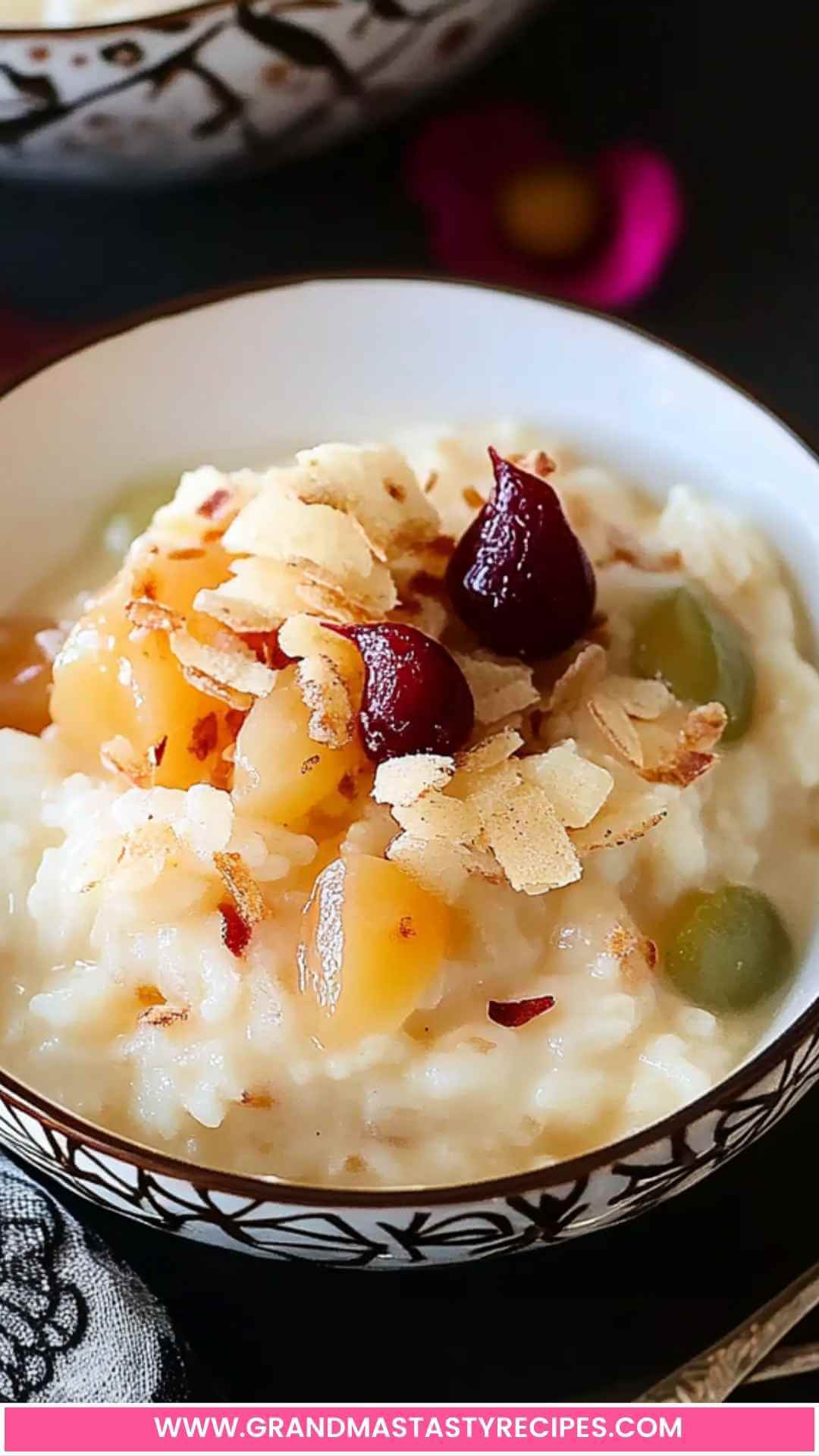
Ambrosia rice pudding is a twist on the classic rice pudding, infusing it with vibrant flavors and textures. At its core, it combines cooked rice with rich cream and tropical fruits like mango and lychee. You may also find shredded coconut and a hint of vanilla bean to amplify the flavor profile.
You might wonder, what makes ambrosia rice pudding different? The addition of fruits lends not only a beautiful presentation but also a refreshing bite that contrasts with the creamy texture of the pudding. It’s almost a celebration of flavors in every spoonful!
Why You’ll Love This Ambrosia Rice Pudding
1. Layered Flavors:
Experience a symphony of tastes with every bite. The sweetness from the banana and passionfruit melds effortlessly with the creamy coconut and rich heavy cream. It’s a perfect blend you won’t soon forget.
2. Nutrient-dense:
Each serving packs in healthy carbohydrates from the rice and potassium and fiber from the fruits. Not only does it satisfy your sweet tooth, but it also offers real nutritional benefits.
3. Versatile:
This pudding is not stuck in just one category. It’s suitable for breakfast, a light dessert, or even a snack. The same recipe can be dressed up for an elegant occasion or enjoyed as a simple treat on a Tuesday afternoon.
4. Effortless Preparation:
I’m all about saving time in the kitchen. This recipe doesn’t require any complicated techniques. Just mix, simmer, and chill – it’s that simple.
5. Make-Ahead Friendly:
It keeps well in the refrigerator, allowing you to prepare it the day before a gathering. Your future self will thank you for choosing this time-saving dessert.
The Ingredients You Will Need to Make Ambrosia Rice Pudding
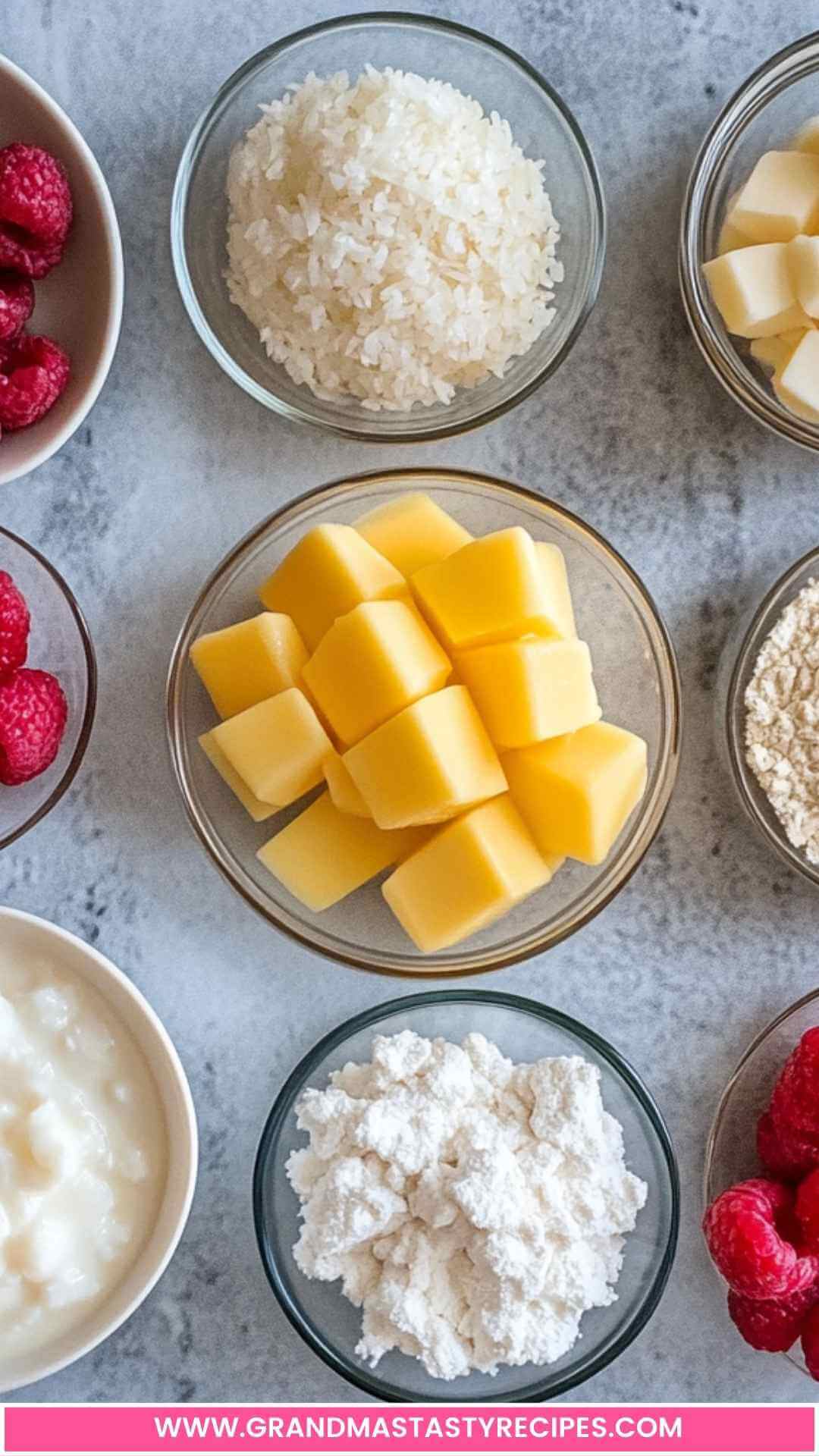
Gather these ingredients and you will be one step closer to a sweet tropical getaway on your plate:
- 2 cups cooked long-grain rice: This forms the base of your pudding.
- 200 milliliters heavy cream: Adds richness and creaminess.
- 270 milliliters can of coconut milk: It introduces a tropical note and enhances the creaminess.
- 1 teaspoon vanilla bean paste: Infuses lovely flavor; vanilla extract can work in a pinch.
- 1/4 cup superfine caster sugar: Provides sweetness without the grit.
- 1 ripe banana, peeled and thinly sliced: Adds natural sweetness and texture.
- 1/2 ripe mango, thinly sliced: Contributes tropical flavor and vibrancy.
- 8 canned lychees, drained: Offers a unique taste and fun texture.
- 2 tablespoons passionfruit pulp (or fresh passionfruit): Bursts of tart sweetness elevate the dish.
- 1/3 cup toasted shredded coconut (long threads): Enhances chewiness and coconut flavor.
- 1 tablespoon honey (optional): For those who love sweetness a bit more.
- A handful of fresh mint leaves, chopped (optional, for garnish): Rounds off the dish beautifully with freshness.
Directions
Let’s get cooking! Follow these straightforward steps to create your ambrosia rice pudding.
Step 1: Prepare the Base
Start by getting your cooked rice ready. If you don’t have already cooked rice, you can simply prepare it according to package instructions. Long-grain rice works best for this dish, as it tends to hold its structure better and gives a nice texture.
Step 2: Mix the Creamy Ingredients
In a medium-sized saucepan, combine the heavy cream and coconut milk. Place it over medium heat, stirring until the mixture becomes warm but not boiling. Add the vanilla bean paste and sugar to the saucepan. Stir until the sugar completely dissolves. It should have a frothy, inviting appearance.
Step 3: Combine Rice and Cream Mixture
Add the cooked rice into the creamy mixture. Reduce heat to low. Stir gently but thoroughly until the rice absorbs the cream, taking care to keep the mixture creamy. It should take about 5-7 minutes of gentle heat for the flavors to meld beautifully.
Step 4: Incorporate the Fruits
Now comes the fun part! Stir in the sliced banana, mango, and lychees. If you’re using fresh passionfruit, scoop out the pulp and mix that in as well. The pudding should now be a sort of tropical treasure trove, with pops of color peeking through the creamy backdrop.
Step 5: Chill Out
Transfer your delicious concoction into a bowl or individual serving dishes. Cover with plastic wrap or a lid and chill in the refrigerator for at least two hours, or until it’s slightly set. This chilling time allows the flavors to blend and the texture to stabilize.
Step 6: Top and Serve
Once it’s chilled, finish with toasted shredded coconut and a drizzle of honey if you like it sweeter. Toss in some fresh mint for a stunning presentation.
Notes
Here are some helpful tips to elevate your ambrosia rice pudding experience:
- Balance flavors: Adjust the sweetness according to your taste preferences. Remember that the fruits and some coconut will contribute natural sugar.
- Texture check: If the pudding is too thick after chilling, stir in a splash of coconut milk or heavy cream to achieve your desired consistency.
- Revive leftovers: If you have leftovers, revive the pudding with a quick stir. A bit of fresh cream or milk can help restore its texture.
- Serving options: Serve it warm or chilled; both options are delightful. If you prefer a warm dessert, gently reheat it on the stove while stirring continuously.
- Presentation: Use wide-brimmed bowls or individual cups for an elegant touch. A sprinkle of dried fruits or nuts on top can make it visually appealing.
Storage Tips
Ambrosia rice pudding can be stored in the refrigerator in an airtight container for up to three days. However, as time passes, the texture might change slightly due to the moisture from the fruits. To maintain its freshness, consume within a couple of days if possible.
Nutrition Information
Here’s the nutritional breakdown for one serving of ambrosia rice pudding (based on 8 servings):
- Calories: Approximately 200 kcal
- Protein: 3 grams
- Carbohydrates: 35 grams
- Fat: 7 grams
- Fiber: 2 grams
- Sugars: 10 grams
This dessert provides a balanced mix of macronutrients, making it a wonderful sweet treat without overwhelming your daily requirements.
Serving Suggestions
Feel free to dress up your ambrosia rice pudding in exciting ways!
- Garnish with toasted coconut: Toasted coconut flakes add an inviting crunch and enhance the overall coconut flavor.
- Add chocolate drizzle: A rich chocolate sauce drizzled on top can bring indulgence and contrast the tropical elements.
- Fresh fruit topping: Using fresh berries or sliced peaches on top provides a pop of color and flavor.
- Citrus zest: Lemon or lime zest sprinkled on top adds brightness and a refreshing zing that cuts through the creaminess.
- Choco-coconut balls: These delightful bites served alongside enhance each spoonful of rice pudding with textures and flavors that complement beautifully.
What Other Substitutes Can I Use in Ambrosia Rice Pudding?
Sometimes, ingredient substitutions can elevate your dish or just save you a grocery run. Here are five ideas:
- Quinoa instead of rice: Quinoa provides protein and a slightly nuttier flavor while remaining gluten-free.
- Almond milk in place of coconut milk: Almond milk will lend a different flavor profile, but it’s equally creamy and delicious for those looking for a nutty touch.
- Greek yogurt for heavy cream: For a tangy twist and added protein, substitute Greek yogurt. Just add it after cooking to prevent curdling.
- Any stone fruit or berries instead of mango and banana: Peaches, cherries, or blueberries all bring vibrant flavors and looks to your pudding.
- Maple syrup for honey: If you prefer a different sweetener, maple syrup brings a wonderfully warm flavor that will still elevate your dessert.
Conclusion
Ambrosia rice pudding is more than just a dessert; it’s an experience. The vibrant colors, the creamy texture, and the array of flavors make it a treat for any occasion. Whether you’re entertaining guests or simply indulging yourself, this recipe is sure to impress.
With its versatility, ease of preparation, and delightful taste, I hope you dive into making this pudding soon. It’s bound to become a beloved addition to your recipe collection. Now, roll up those sleeves, grab your ingredients, and let’s create something magical today!
You’ll also like the following recipes!
- Swedish Rice Pudding Copycat Recipe
- How to Make Coconut Rice Pudding With Coconut Milk
- Best Puerto Rican Rice Pudding


Ambrosia Rice Pudding Recipe – Grandma’s Tasty Recipes
Description
Before we dive into the scroll-worthy details of ambrosia rice pudding, let’s talk about what you can pair with this delightful dessert. The beauty of ambrosia rice pudding is its flavor profile, which dances between creamy and fruity. Here are some pairings to consider:
Fresh berries or a sliced peach can bring a refreshing contrast. The tartness of raspberries or the sweetness of strawberries can enhance the dish beautifully.
A sprinkle of toasted almonds or crushed pistachios can add a satisfying crunch. The nutty flavor complements the creaminess perfectly.
Serve it alongside ginger snaps or cinnamon cookies for an exciting flavor combination. The spices in these cookies will contrast nicely with the sweetness of the pudding.
A dollop of freshly whipped cream can elevate the texture of the rice pudding, making each bite a little dreamier.
Pair a cup of strong coffee or herbal tea with it. The warmth and depth of flavor from the beverages will provide a delightful balance with the pudding.
With these pairings in mind, let’s roll up our sleeves and dive into the creation of ambrosia rice pudding!
Ingredients
Instructions
Step 1: Prepare the Base
-
Start by getting your cooked rice ready. If you don't have already cooked rice, you can simply prepare it according to package instructions. Long-grain rice works best for this dish, as it tends to hold its structure better and gives a nice texture.
Step 2: Mix the Creamy Ingredients
-
In a medium-sized saucepan, combine the heavy cream and coconut milk. Place it over medium heat, stirring until the mixture becomes warm but not boiling. Add the vanilla bean paste and sugar to the saucepan. Stir until the sugar completely dissolves. It should have a frothy, inviting appearance.
Step 3: Combine Rice and Cream Mixture
-
Add the cooked rice into the creamy mixture. Reduce heat to low. Stir gently but thoroughly until the rice absorbs the cream, taking care to keep the mixture creamy. It should take about 5-7 minutes of gentle heat for the flavors to meld beautifully.
Step 4: Incorporate the Fruits
-
Now comes the fun part! Stir in the sliced banana, mango, and lychees. If you're using fresh passionfruit, scoop out the pulp and mix that in as well. The pudding should now be a sort of tropical treasure trove, with pops of color peeking through the creamy backdrop.
Step 5: Chill Out
-
Transfer your delicious concoction into a bowl or individual serving dishes. Cover with plastic wrap or a lid and chill in the refrigerator for at least two hours, or until it's slightly set. This chilling time allows the flavors to blend and the texture to stabilize.
Step 6: Top and Serve
-
Once it's chilled, finish with toasted shredded coconut and a drizzle of honey if you like it sweeter. Toss in some fresh mint for a stunning presentation.
Nutrition Facts
Servings 5
- Amount Per Serving
- Calories 200kcal
- % Daily Value *
- Total Fat 7g11%
- Total Carbohydrate 35g12%
- Dietary Fiber 2g8%
- Sugars 10g
- Protein 3g6%
* Percent Daily Values are based on a 2,000 calorie diet. Your daily value may be higher or lower depending on your calorie needs.
Note
- Balance flavors: Adjust the sweetness according to your taste preferences. Remember that the fruits and some coconut will contribute natural sugar.
- Texture check: If the pudding is too thick after chilling, stir in a splash of coconut milk or heavy cream to achieve your desired consistency.
- Revive leftovers: If you have leftovers, revive the pudding with a quick stir. A bit of fresh cream or milk can help restore its texture.
- Serving options: Serve it warm or chilled; both options are delightful. If you prefer a warm dessert, gently reheat it on the stove while stirring continuously.
- Presentation: Use wide-brimmed bowls or individual cups for an elegant touch. A sprinkle of dried fruits or nuts on top can make it visually appealing.