When it comes to serving Indian rice pudding, or “kheer,” think about complementary flavors and textures. A side of crispy fried plantains balances the creamy sweetness of the pudding beautifully.
For a refreshing touch, consider a fruit salad featuring seasonal fruits like mango or pineapple. These add a zesty pop that contrasts with the rich dessert. Pair this dish with a hot cup of masala chai for a wonderful sensory experience, or lay out some crispy naan for a delightful twist on serving.
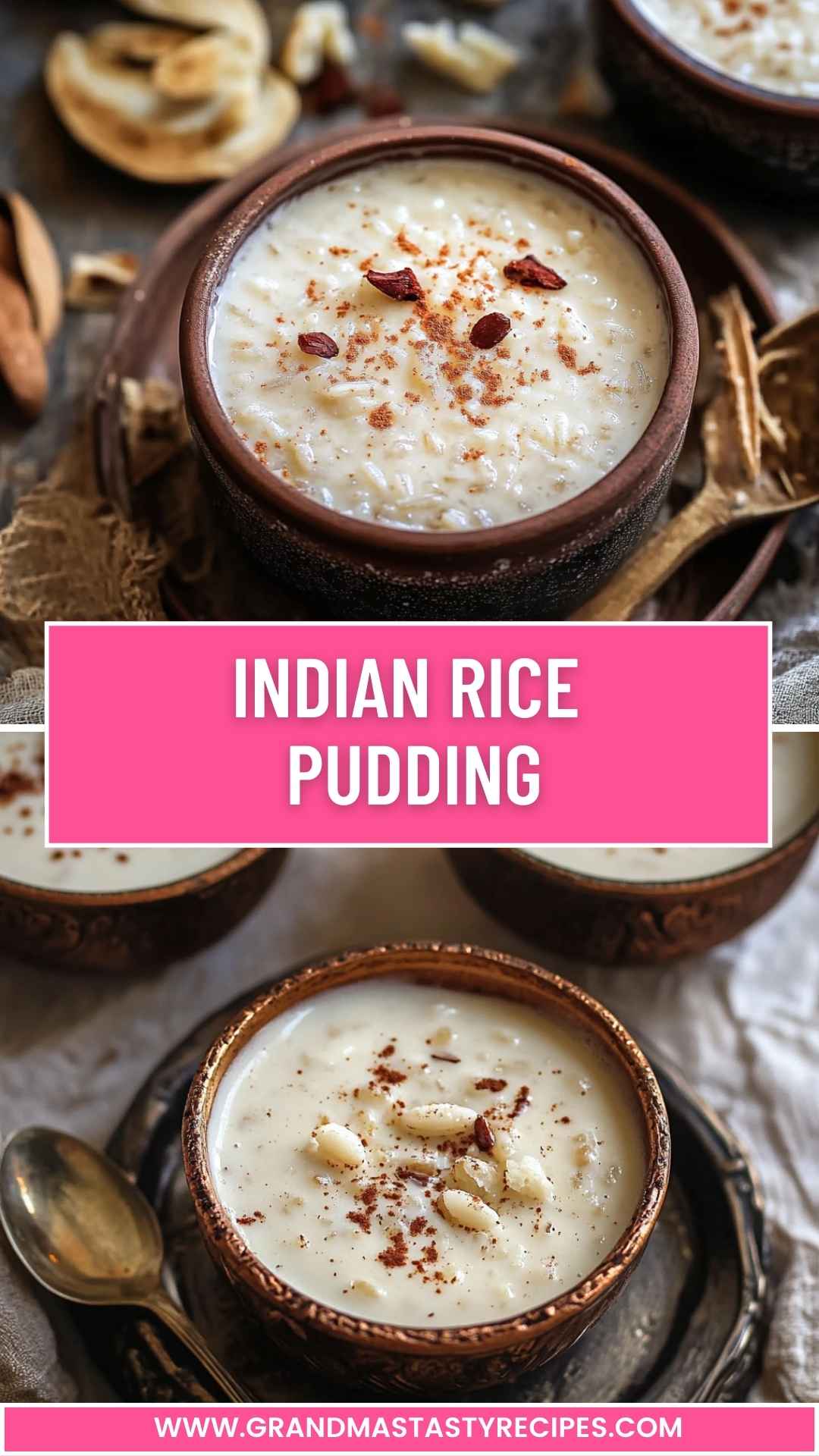
What is Indian Rice Pudding?
Indian rice pudding is a traditional dessert made from rice, milk, and sugar. Its roots stretch back centuries, often appearing during festivals, weddings, and special occasions.
The base of the dish is simply rice and milk; what makes it special are the additional flavors that enhance its richness. As the milk slowly simmers, the rice cooks and absorbs all those lovely flavors, creating a velvety texture.
What is the Flavor Profile of This Dish?
Kheer has a unique flavor profile that is both sweet and aromatic. The predominant flavor comes from the full-fat milk, which adds a creamy richness. The cardamom imparts a warm, slightly spicy note, while the addition of saffron brings a hint of floral sweetness.
The nuts provide crunch, making each spoonful enjoyable. With each bite, you’ll notice the subtle sweetness balanced by the warming spices, making for a satisfying end to any meal.
What Makes This Recipe Different from Other Indian Rice Puddings?
While many recipes for kheer exist, my approach is simple yet effective. The heart of every great dish lies in its ingredients. I use high-quality full-fat milk and basmati rice, ensuring a creamy consistency and delightful flavor.
The inclusion of rose water enhances the aromatic profile, lending a floral note that elevates the sweetness. So, this is not just your average kheer—it’s a dish that sings of tradition while using my personal touch.
Ingredients You’ll Need
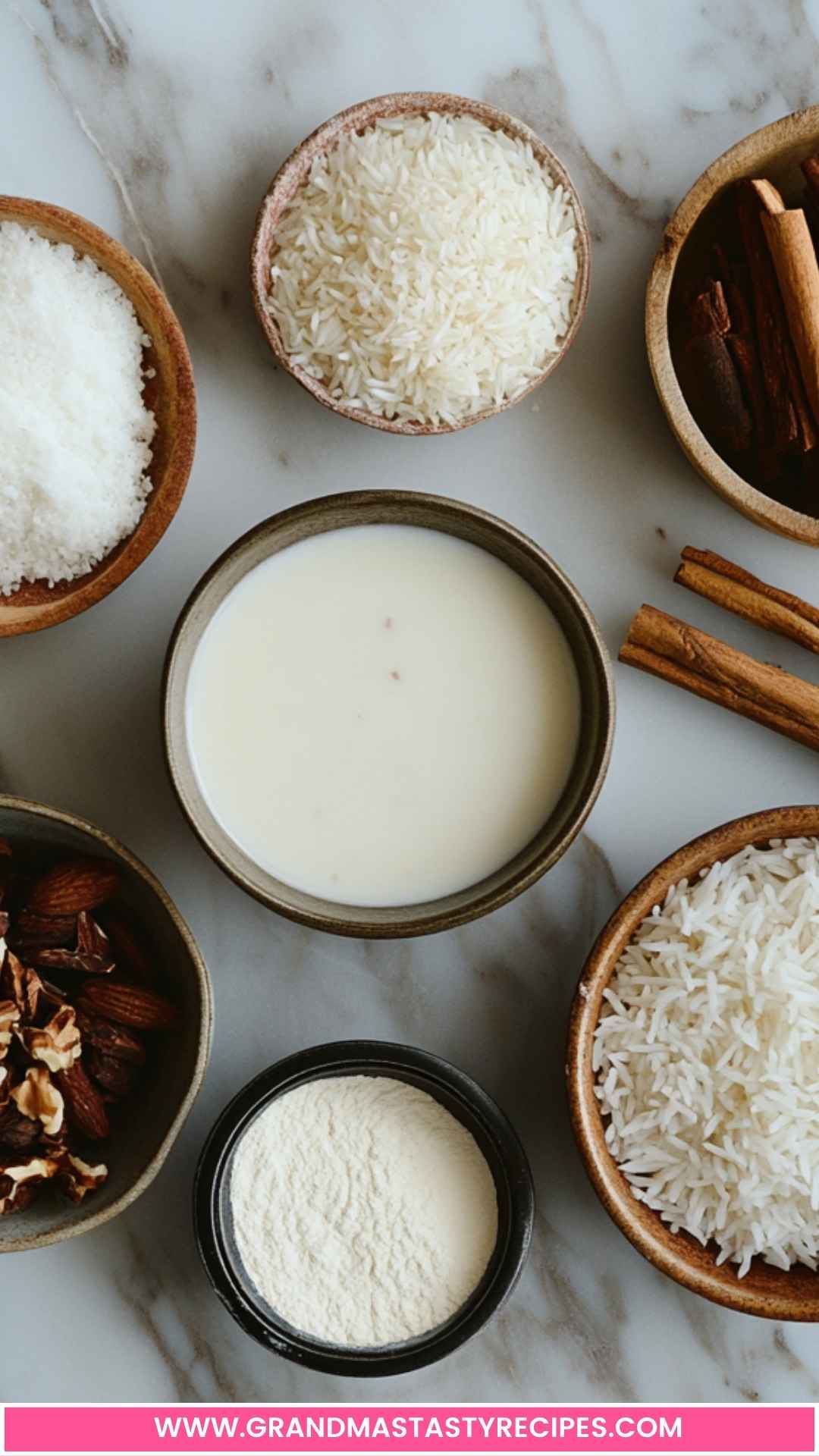
- 1 liter full-fat milk
- 1/4 cup basmati rice (or increase to 1/3 cup for a creamier kheer)
- 1 teaspoon ghee (clarified butter)
- 3-4 green cardamom pods, lightly crushed
- 4-5 tablespoons sugar, sweeten to taste
- 3 tablespoons chopped nuts
- 1 ½ teaspoons rose water
- 1 tablespoon golden raisins
- Pinch of saffron
Step-by-Step Directions
Step 1: Prepare the Rice
Start by rinsing the basmati rice under cold water until the water runs clear. This will help remove excess starch and prevent the pudding from becoming gummy. Let the rice soak in water for about 30 minutes; this helps in softening it for cooking.
Step 2: Cook the Milk
In a heavy-bottomed pot, pour in the full-fat milk. Bring it to a gentle simmer over medium heat. Stir occasionally to prevent it from sticking to the bottom. As it heats, this is how the aroma starts to fill your kitchen, heightening the anticipation for the final dish.
Step 3: Add the Rice
Once the milk begins to froth, add the soaked and drained rice. Lower the heat to a simmer, stirring frequently. The rice should cook for about 20-30 minutes, allowing it to soften and absorb the milk. If it gets too thick, feel free to add a splash more milk.
Step 4: Flavor It Up
After the rice is fully cooked, stir in the sugar, crushed cardamom pods, and ghee. Allow everything to blend for another 5-10 minutes.
The sugar should dissolve completely, giving a sweet flavor to the mixture. Make sure to taste and adjust the sweetness according to your preference.
Step 5: Final Touches
Now, it’s time for the goodies! Stir in the rose water, fragrant saffron, chopped nuts, and golden raisins. Mix well. Allow the pudding to simmer for an additional 5 minutes. It should be creamy and fragrant at this stage. Remove it from heat.
Step 6: Serve It Right
Kheer can be enjoyed warm right after cooking or chilled in the refrigerator. Top it with a sprinkling of extra nuts or a drizzle of rose water for garnish before serving. Serving it in small bowls adds a touch of elegance!
Tips on Making Indian Rice Pudding
- Use High-Quality Milk: Full-fat milk makes a significant difference. It enhances creaminess and gives that indulgent texture.
- Don’t Rush the Cooking: Simmer the milk gently. Patience is vital; it allows flavors to develop.
- Adjust Sweetness: Start with a smaller amount of sugar. You can always add more at the end if needed.
- Experiment with Flavors: While cardamom and saffron are traditional, feel free to explore other flavors like cinnamon or even a splash of vanilla extract.
- Chill Before Serving: If you prefer kheer cold, refrigerate it for at least two hours. The flavors will meld beautifully as it cools.
How Can I Store This Indian Rice Pudding?
Kheer can be stored in an airtight container in the refrigerator for up to 3-4 days. Just remember to give it a good stir before serving, as it may firm up a bit when chilled.
If you wish to serve it warm, gently reheat it on the stove or microwave, adding a splash of milk to bring back that creamy consistency.
Substitutes for Ingredients
- Ghee: If you don’t have ghee, use unsalted butter or a neutral vegetable oil.
- Basmati Rice: In a pinch, any medium-grain white rice works, but the flavor of basmati is unmatched.
- Rose Water: If rose water is unavailable, a few drops of vanilla extract can offer a different yet pleasant aroma.
- Full-Fat Milk: You can use whole milk or even coconut milk for a dairy-free version, though this will alter the flavor profile.
Conclusion
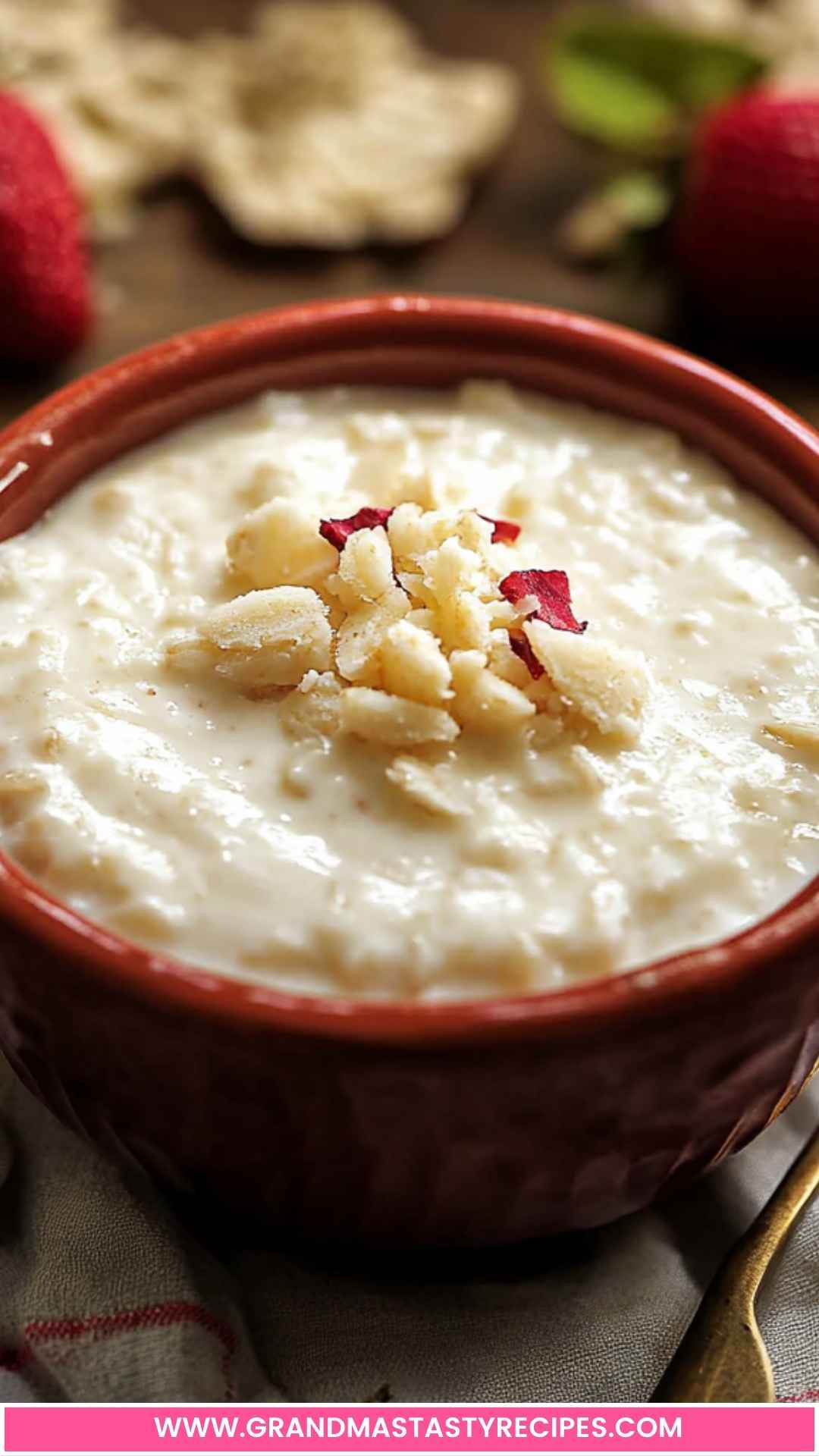
Making Indian rice pudding isn’t just about following a recipe; it’s about experiencing the magic of flavors coming together. With each step, from boiling the milk to adding crushed cardamom and saffron, you’re creating not just a dessert but a memory.
Whether it’s a family gathering, a celebration, or just a cozy night in, kheer brings warmth to any occasion. So go ahead and whip up a batch. Get those spoons ready because this delightful dessert is bound to be a hit!
Enjoy your culinary journey with this creamy goodness, and share it with family and friends who will appreciate every sweet bite.
You’ll also like the following recipes!
- Traditional Rice Pudding Copycat Recipe
- How To Make Baked Rice Pudding
- Best Arroz Con Leche Rice Pudding Recipe


Indian Rice Pudding – Grandma’s Tasty Recipes
Description
I remember the first time I tasted Indian rice pudding at a bustling local Indian restaurant. The waiter set down the small bowl, and I could see the glimmer of saffron threads and golden raisins peeking through the creamy puddle.
As I took my first bite, it was like being wrapped up in a cozy blanket on a chilly day—warm, sweet, and utterly comforting. It's moments like these that remind me of the power of food to evoke emotions and create lasting memories.
Indian rice pudding, commonly known as kheer, is not just a dessert; it holds a special place in celebrations and family gatherings. Below, join me on a journey to explore this delightful dish, its flavors, ingredients, and how you too can recreate this treat at home.
Ingredients
Instructions
Step 1: Prepare the Rice
-
Start by rinsing the basmati rice under cold water until the water runs clear. This will help remove excess starch and prevent the pudding from becoming gummy. Let the rice soak in water for about 30 minutes; this helps in softening it for cooking.
Step 2: Cook the Milk
-
In a heavy-bottomed pot, pour in the full-fat milk. Bring it to a gentle simmer over medium heat. Stir occasionally to prevent it from sticking to the bottom. As it heats, this is how the aroma starts to fill your kitchen, heightening the anticipation for the final dish.
Step 3: Add the Rice
-
Once the milk begins to froth, add the soaked and drained rice. Lower the heat to a simmer, stirring frequently. The rice should cook for about 20-30 minutes, allowing it to soften and absorb the milk. If it gets too thick, feel free to add a splash more milk.
Step 4: Flavor It Up
-
After the rice is fully cooked, stir in the sugar, crushed cardamom pods, and ghee. Allow everything to blend for another 5-10 minutes.
The sugar should dissolve completely, giving a sweet flavor to the mixture. Make sure to taste and adjust the sweetness according to your preference.
Step 5: Final Touches
-
Now, it’s time for the goodies! Stir in the rose water, fragrant saffron, chopped nuts, and golden raisins. Mix well. Allow the pudding to simmer for an additional 5 minutes. It should be creamy and fragrant at this stage. Remove it from heat.
Step 6: Serve It Right
-
Kheer can be enjoyed warm right after cooking or chilled in the refrigerator. Top it with a sprinkling of extra nuts or a drizzle of rose water for garnish before serving. Serving it in small bowls adds a touch of elegance!
Nutrition Facts
Servings 5
- Amount Per Serving
- Calories 240kcal
- % Daily Value *
- Total Fat 11.5g18%
- Saturated Fat 2.3g12%
- Cholesterol 2mg1%
- Sodium 1600mg67%
- Total Carbohydrate 33g11%
- Dietary Fiber 9g36%
- Sugars 13g
- Protein 11g22%
* Percent Daily Values are based on a 2,000 calorie diet. Your daily value may be higher or lower depending on your calorie needs.
Note
- Use High-Quality Milk: Full-fat milk makes a significant difference. It enhances creaminess and gives that indulgent texture.
- Don’t Rush the Cooking: Simmer the milk gently. Patience is vital; it allows flavors to develop.
- Adjust Sweetness: Start with a smaller amount of sugar. You can always add more at the end if needed.
- Experiment with Flavors: While cardamom and saffron are traditional, feel free to explore other flavors like cinnamon or even a splash of vanilla extract.
- Chill Before Serving: If you prefer kheer cold, refrigerate it for at least two hours. The flavors will meld beautifully as it cools.