Ingredients
Method
Step 1: Brown the Pork
- In a large, heavy-bottomed pot, heat the vegetable oil over medium-high heat. Once the oil is shimmering, add half of the pork cubes to the pot, searing them on all sides until golden brown—this should take about four minutes. Once nicely browned, remove the pork and set it in a bowl, then repeat with the remaining pieces. This step builds a beautiful base flavor for the dish, so don’t skip it!
Step 2: Sauté the Aromatics
- Lower the heat to medium and toss in the onion wedges. Sauté them for about two minutes until they start to soften, then add the minced garlic and continue to cook for an additional minute until it becomes fragrant. You want these ingredients to become friends, developing flavor together.
Step 3: Create the Braising Liquid
- Now it’s time to bring about the magic. Pour in the water, both light and dark soy sauces, rice vinegar, brown sugar, black peppercorns, and bay leaves. Stir everything together to ensure the sugar has dissolved. Return the browned pork and any accumulated juices from the bowl back into the pot.
Step 4: Cook Low and Slow
- Increase the heat and bring the pot to a gentle boil. Once it’s bubbling, partially cover the pot with a lid, leaving just a small crack for steam to escape. Lower the heat and let it simmer for about an hour and a half, giving you that fall-apart tender texture. Keep an eye on it—if it’s not tender by the end, let it simmer a little longer. Trust me, it’s worth the wait!
Step 5: Caramelize the Pineapple (Optional)
- While your pork is bubbling away, heat the additional oil in a non-stick skillet over medium heat. Arrange the pineapple pieces in a single layer and cook for about four minutes on each side, or until they achieve a lovely golden color. Set these aside; they’ll add a wonderful contrast to the savory notes of your dish.
Step 6: Reduce the Sauce
- After the pork is nice and tender, carefully remove it from the pot with a slotted spoon. Increase the heat to high and let the sauce boil for around 7-10 minutes, reducing the liquid to about 1 1/2 cups. This will thicken it slightly while intensifying the flavors.
Step 7: Combine and Serve
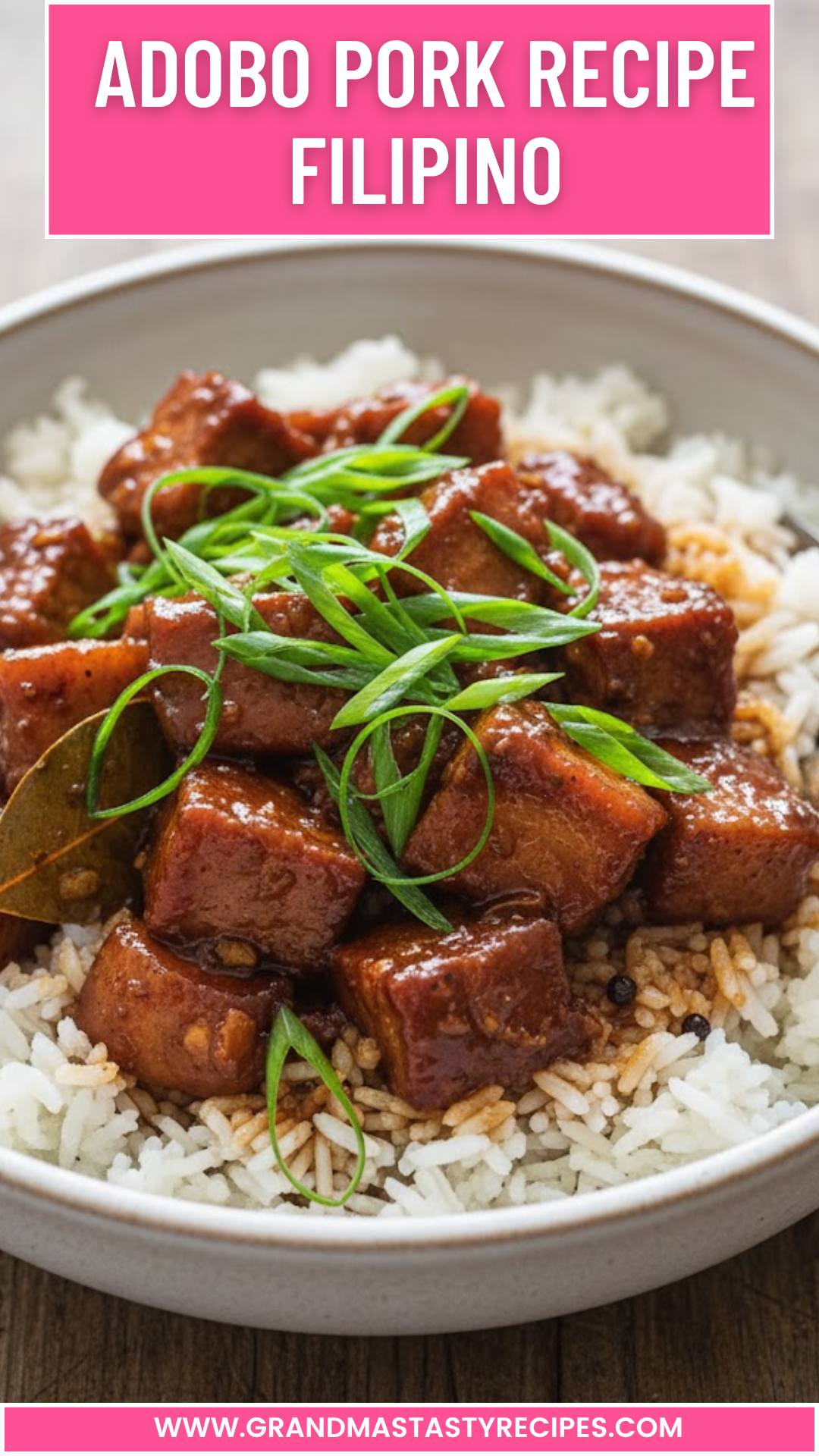
- Bring the pot's temperature down to low and stir the tender pork and caramelized pineapple back into the sauce, allowing everything to warm through. When it's ready, serve it over fluffy jasmine rice, garnished with finely sliced green onion for that fresh touch.
Notes
- Cut selection matters: Pork shoulder with some fat creates a more flavorful dish. Avoid too lean cuts.
- Adjust the sweetness: Depending on your palate, you can play with the brown sugar to balance the tanginess of the vinegar.
- Vegetable oil alternatives: If you have coconut oil, it adds a lovely tropical note to the dish.
- Time-saver tip: You can prepare the sauce and browning the pork ahead of time, storing them separately until you’re ready for the slow-cooking stage.
- Pineapple preference: If pineapple isn’t your thing, feel free to skip it or substitute it with a different fruit for a sweetness upgrade.