Ingredients
Method
Step 1: Preheat the Oven
- Set your oven to 350°F and place the rack in the lower third. This creates the perfect environment for slow, even cooking.
Step 2: Prepare the Beef
- Pat the chuck roast dry with paper towels to ensure it browns well. Rub the kosher salt all over the beef pieces, allowing for flavor to seep into the meat.
Step 3: Sear the Beef
- Heat vegetable oil in a large Dutch oven over medium-high heat until it shimmers. In batches, add the beef, making sure not to overcrowd the pan. Brown all sides for about 10 minutes. Once browned, transfer the beef to a plate.
Step 4: Cook the Aromatics
- Lower the heat to medium and add the sliced onions to the Dutch oven. Sauté for about 4 minutes until they soften. Stir in the chopped garlic and grated ginger, cooking for another minute until those delightful aromas fill your kitchen. If things start to brown too quickly, splash in a bit of beef stock to deglaze the pot and scrape up those tasty bits.
Step 5: Combine Sauces
- Add the gochujang paste, brown sugar, soy sauce, and the remaining beef stock to the pot. Stir until everything is well combined and the flavors meld together.
Step 6: Cook the Beef
- Return the beef to the Dutch oven along with any juices collected on the plate. Bring it all to a simmer, and let it cook for about 5 minutes uncovered. This step is crucial for blending flavors before moving to the oven.
Step 7: Roast in the Oven
- Cover the pot and transfer it to your preheated oven. Allow it to roast for about 2 hours. The goal here is to achieve melt-in-your-mouth tenderness.
Step 8: Serve
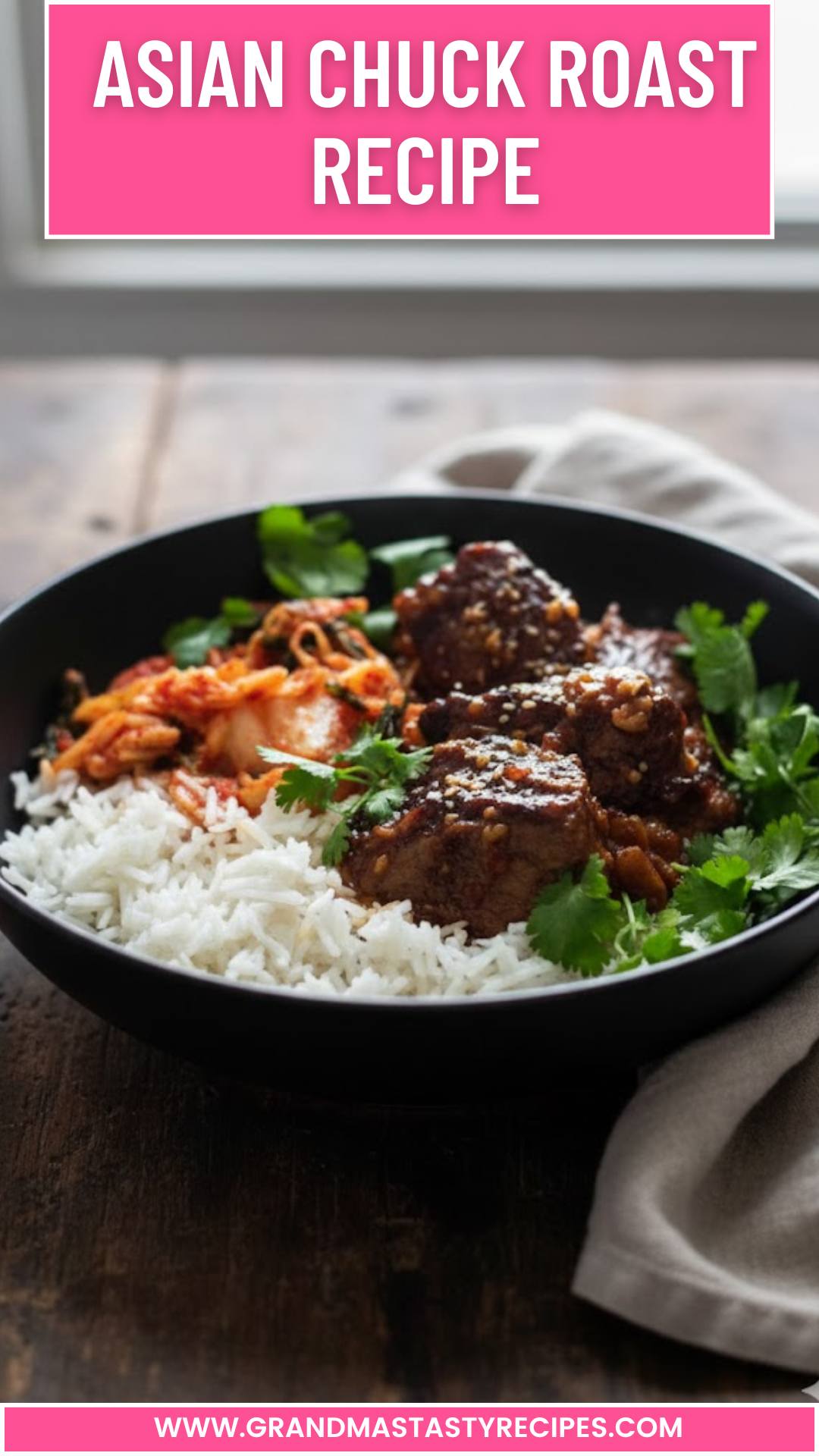
- Remove from the oven and let it rest briefly before serving. I love serving the roast family-style, alongside bowls of jasmine rice and garnished with fresh cilantro. A side of kimchi complements the dish beautifully.
Notes
- Choose the Right Cut: Look for a well-marbled chuck roast for maximum flavor.
- Do Not Rush the Browning: Don't skip searing the meat. Those brown bits add depth to your sauce.
- Let It Rest: Letting the pot roast rest allows the juices to redistribute, ensuring moist slices.
- Save the Leftovers: This dish tastes even better the next day as the flavors develop further.
- Experiment with Heat Levels: Adjust the gochujang to your preference—less for milder heat, more for a good kick!