
Ingredients
Method
Step 1: Prepare Your Sauce Foundation
- Start by combining your cornstarch with a splash of cold water in a small bowl—about two tablespoons. Stir this mixture until there are absolutely no lumps, because lumps will turn into little balls of gumminess in your finished dish. Once smooth, add the remaining cup of water along with your stock powder, soy sauce, hoisin sauce, sake, and sugar. Whisk everything together thoroughly. This isn't just mixing; you're creating an emulsion that will thicken evenly once it hits the heat. Set this aside and don't touch it again until you need it.

Step 2: Prepare Your Tofu Properly
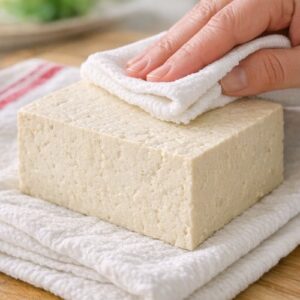
- Remove your firm tofu from its packaging and gently drain any liquid. Place it on a clean kitchen towel and pat the surface dry—this matters more than you think. Moisture on the surface prevents proper browning and causes sticking. Now, using a sharp knife, cut the tofu into half-inch cubes. Work gently and deliberately; you're not trying to rush this part. Rough, jagged cuts will lead to broken pieces during stirring. Set your tofu aside on another clean towel while you prep your aromatics.
Step 3: Mince Your Aromatics With Care
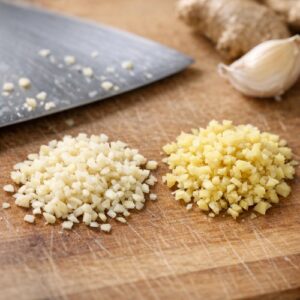
- Here's where precision matters. Take one fresh garlic clove and mince it finely—you want pieces about the size of a grain of rice. Do the same with your ginger, and then move to your scallions or shallots, mincing them into pieces roughly the size of sesame seeds. Keeping these separate (rather than mixing them) means you can add them at different moments for maximum aromatic impact. This is the foundation of flavor layering that my grandmother taught me.
Step 4: Heat Your Wok and Add Oil
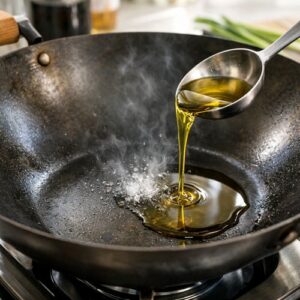
- Place your wok or large skillet over high heat. You'll know it's ready when a drop of water sizzles and disappears instantly. Add your two tablespoons of neutral oil and swirl to coat the entire surface. The oil should shimmer and move freely across the pan—this is your signal that the temperature is perfect for infusing without burning. If the oil begins to smoke, lower the heat slightly; you want hot, not scorching.
Step 5: Infuse Your Aromatics Into the Oil
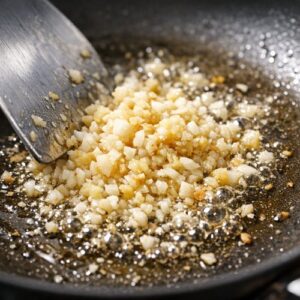
- Add your minced garlic and ginger immediately and stir constantly for exactly ten seconds. You'll notice the kitchen fill with a warm, complex aroma—that's the essential oils releasing into your oil. Stop at ten seconds; this is not the time to hesitate or second-guess. Longer than this and the delicate compounds begin to burn, creating bitter notes instead of aromatic ones. It's a precise moment that teaches you to trust your instincts.
Step 6: Add the Scallions and Begin Building Depth
- Add your minced scallions or shallots and stir for thirty seconds. At this point, the pan smells like the beginning of something truly good. You're creating a flavor base that will carry through every other ingredient. The aromatics are becoming golden at the edges, releasing their sugars and deepening their character.

Step 7: Brown Your Ground Beef Thoroughly
- Add your five ounces of ground beef directly to the pan. Here's the critical part: don't walk away, and don't let it sit in a clump. Using a wooden spoon or spatula, break the beef apart constantly, stirring it through the aromatics. You're looking for the pieces to lose their raw pink color and develop a light golden-brown exterior. This takes about three to four minutes. The constant movement prevents it from sticking to the pan and ensures even cooking rather than some pieces being overcooked while others remain pink.

Step 8: Toast the Chili Bean Paste
- Once your beef is browned, add your two teaspoons of chili bean sauce directly to the pan. Stir constantly for thirty seconds. This extra half-minute is where the magic happens—the fermented paste loses its raw bite and develops a deeper, roasted character that transforms the entire dish from one-dimensional to genuinely complex. You'll smell the difference; the heat becomes warm instead of sharp.

Step 9: Add Your Prepared Sauce
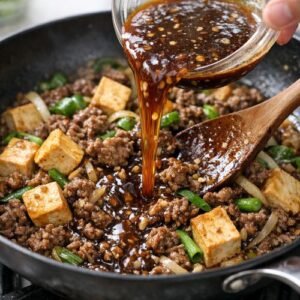
- Pour your prepared sauce mixture into the pan carefully and stir gently but thoroughly, making sure to incorporate the beef and aromatics evenly. The pan will immediately look less crowded as the liquid spreads. Keep the heat at medium-high and let the sauce come to a gentle bubble. You'll notice the cornstarch beginning to thicken the liquid—this happens gradually, not all at once.
Step 10: Introduce the Tofu Gently
- Add your prepared tofu cubes to the pan with the gentlest hand. Use a large spoon or silicone spatula and stir very carefully, using broad, slow motions rather than aggressive stirring. The goal is to coat every piece with sauce without breaking it apart. Lower your heat to medium so the sauce simmers rather than boils—this prevents the tofu from bouncing around violently and shattering. Continue this gentle stirring for one to two minutes, just long enough for the cornstarch to fully thicken and the tofu to absorb the sauce flavors.

Step 11: Add Sesame Oil for Aromatics
- Remove the pan from heat. Drizzle in your one teaspoon of toasted sesame oil and stir gently to distribute. Never cook sesame oil directly; the heat destroys the delicate toasted flavor compounds. Adding it at the end means you preserve all those nutty, warm notes that make the dish taste like it came from someone's beloved kitchen.

Step 12: Serve Immediately
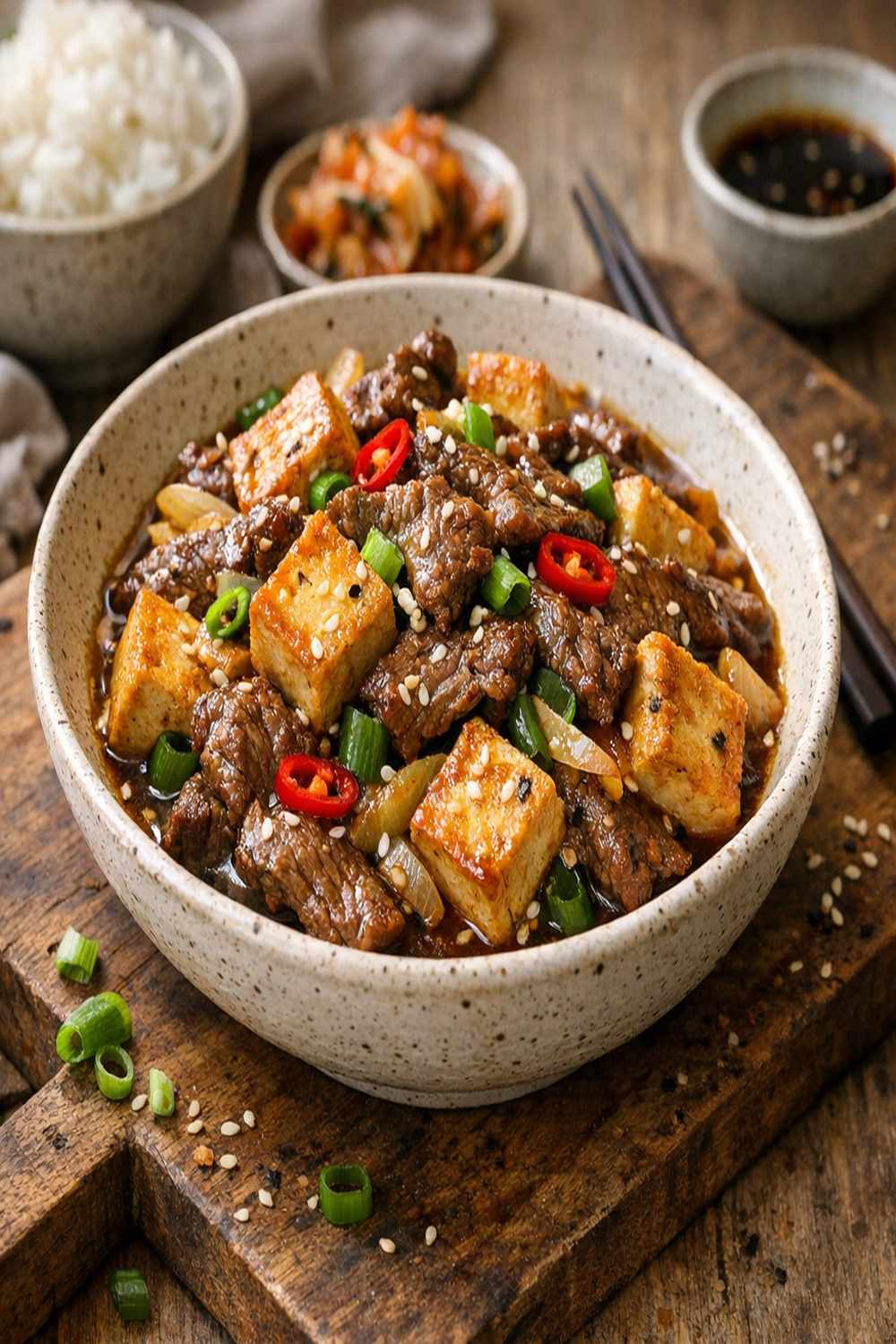
- Transfer your Asian beef tofu to a serving bowl and bring it to the table while it's still warm and the sauce is silky. Serve over steamed white rice, jasmine rice, or brown rice depending on your preference. The sauce should coat every grain beautifully.

Notes
- Using silken tofu instead of firm - silken tofu contains far too much moisture and will disintegrate the moment it touches heat; firm tofu holds its shape while still absorbing sauce beautifully. If you've already bought silken tofu, it's better suited for soups or blended applications, not stir-fries.
- Skipping the aromatics' thirty-second toast - rushing past this step means your chili bean paste stays sharp and one-dimensional rather than developing the roasted, complex depth that makes the entire dish work. Those thirty seconds transform fermented heat into something genuinely delicious.
- Stirring the tofu too aggressively - this is where most home cooks fail. You see the sauce thickening and instinctively start stirring vigorously, which breaks the tofu apart. Gentle, broad motions for just one to two minutes is all you need. Patience is a skill, not a personality trait.
- Adding sesame oil during cooking - the heat burns off everything that makes sesame oil special. Add it only after you've removed the pan from the stove, and the difference will be immediately obvious in both aroma and flavor.