Asian Beef Tofu Recipe
This post contains affiliate links. As an Amazon Associate I earn from qualifying purchases.
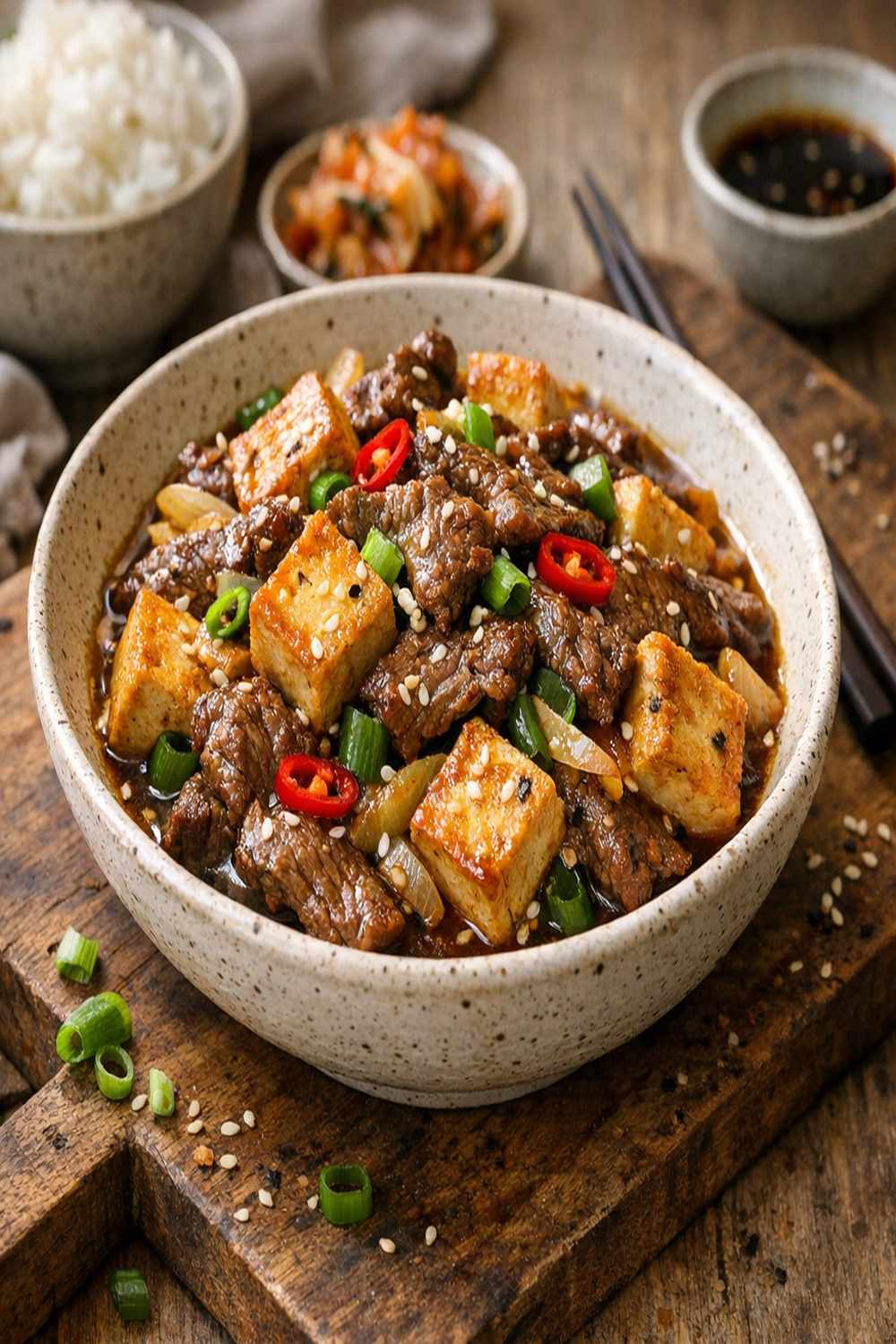
I remember standing in my grandmother’s kitchen watching her work with tofu like it was precious silk—cubing it carefully, never rushing the sauce. Every time I tried to recreate her version at home, something went wrong. The tofu would either shatter into mushy pieces or the sauce wouldn’t cling properly. The beef would turn tough and stringy. Sound familiar? I’ve spent years as a registered dietitian understanding not just the what but the why behind every technique, and I’m here to share exactly how to make this dish sing. Whether you’re exploring bao recipe fillings or diving into classic stir-fry territory, this Asian beef tofu recipe teaches you principles that will elevate every meal you make.
Why Your Asian Beef Tofu Recipe Never Turns Out Right (And How to Fix It)
I’ve heard it countless times from friends and clients: “My tofu always falls apart,” or “The sauce is either too thin or tastes one-dimensional.” Most recipes treat this dish like a quick five-minute meal, but that’s where the trouble starts. The real magic happens when you respect each ingredient’s role and understand the low-and-slow principles that made my grandmother’s version so deeply satisfying.
The solution isn’t complicated, but it requires intentional layering of flavors and heat control. You’re not just mixing ingredients—you’re building a savory foundation, infusing aromatics at precise temperatures, and creating a sauce that clings to every element without overwhelming them. This approach transforms what could be a rushed weeknight dinner into something genuinely nourishing.
What Makes This Asian Beef Tofu Recipe Different?
Most recipes jump straight to high heat and expect everything to work out. That’s your first mistake. Here’s what I’ve learned: starting with aromatics at the perfect temperature prevents them from burning while allowing their essential oils to fully release into the oil. When garlic and ginger hit that hot surface for exactly ten seconds, you’re not cooking them—you’re awakening them.
The second critical difference is how we treat the beef. Rather than letting it sit in a clump, we break it apart constantly as it browns. This creates more surface area, leading to better caramelization and texture. Then comes the magic moment: adding the sauce ingredients only after the chili bean paste has toasted for thirty seconds. This extra step transforms a flat, salty sauce into something with genuine depth.
Finally, the tofu gets added last and handled with reverence. Firm tofu, cut into half-inch cubes and gently stirred, will hold its shape while absorbing the sauce. The cornstarch slurry I use isn’t just a thickener—it’s a protective agent that helps the sauce cling beautifully without making things gloppy.
Before You Start: What You Need to Know
Two critical insights will transform your success rate with this dish. First, understand that tofu is a sponge waiting to absorb flavor—but only if the sauce is properly balanced and the heat is gentle enough that cubes don’t break apart during stirring. Second, your ingredients must be prepped before you start cooking, because once the wok heats up, there’s no time to mince or measure.
- Use firm tofu, never silken – silken tofu will disintegrate within seconds of touching the hot pan, leaving you with a broken mess instead of distinct cubes that hold their integrity
- Have your sauce ingredients mixed in advance – this prevents the cornstarch from clumping and ensures even cooking rather than a rushed, uneven finish
The Ingredients
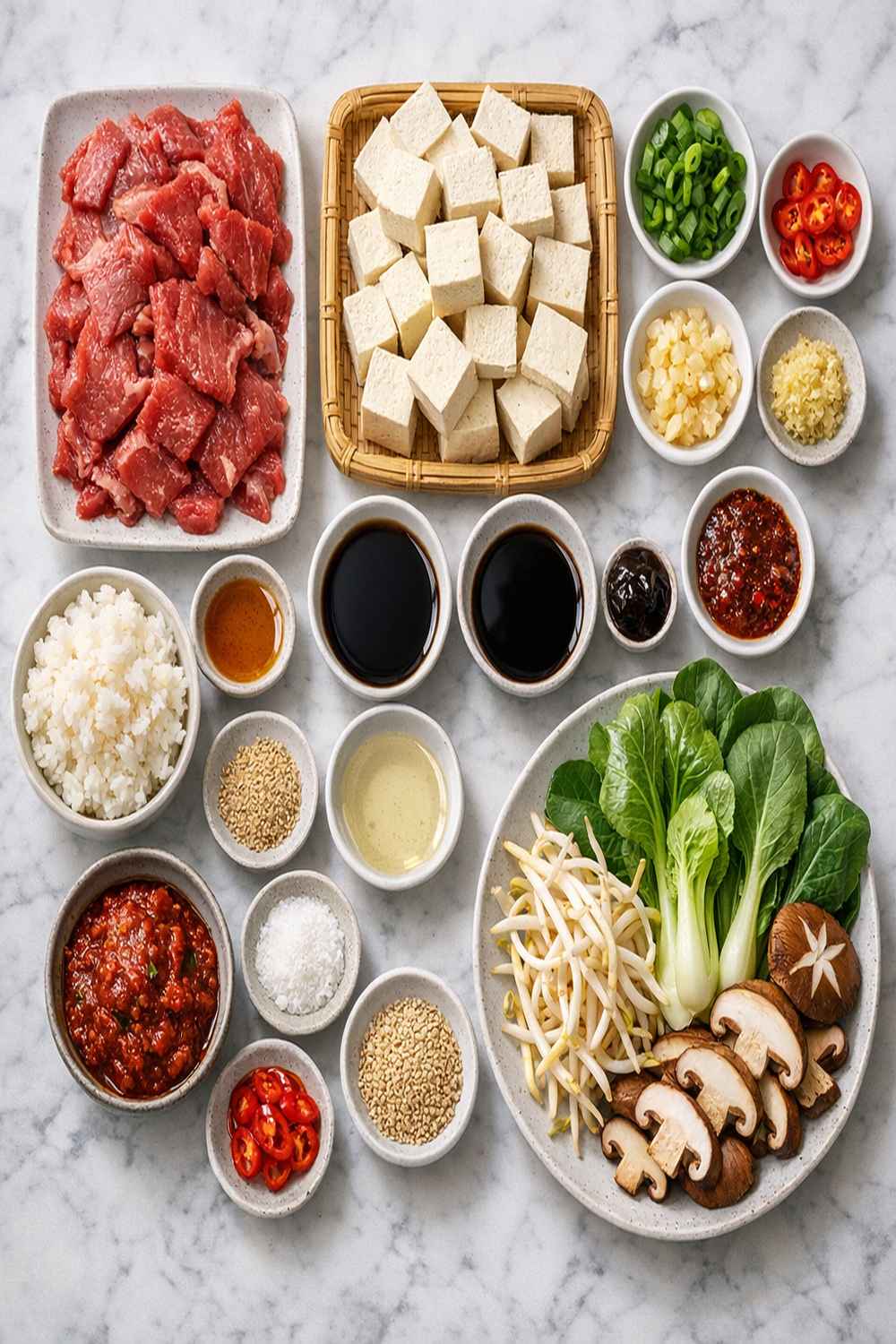
Every ingredient here serves a specific purpose rooted in both tradition and nutritional science. My grandmother didn’t call it “umami balance” or “protein optimization,” but that’s exactly what she was creating. Let me walk you through why each component matters and how they work together to create something genuinely healing.
- 1 tablespoon hoisin sauce (fermented sweetness balances the heat; skip if avoiding added sugars)
- ½ tablespoon sugar (balances heat and salt; a key principle in balanced Asian cooking)
- 12 ounces firm tofu (not silken; this provides 18 grams of complete protein per serving while absorbing sauce flavors beautifully)
- 1 teaspoon sesame oil (toasted sesame oil added at the very end provides nutty aromatics)
- ½ teaspoon chicken or vegetable stock powder (concentrated umami; use mushroom powder for vegetarian depth)
- 2 tablespoons sake or Chinese rice wine (alcohol burns off, leaving subtle sweetness and helping tenderize the meat)
- ¼ cup minced scallions or shallots (scallions provide brightness; shallots add deeper, sweeter onion notes)
- 1 teaspoon finely minced fresh ginger (ginger aids digestion and adds warmth without heat)
- 1 tablespoon cornstarch mixed with splash of water (creates a silky sauce without flour’s greasiness)
- 2 tablespoons neutral oil (peanut, vegetable, or canola—the high smoke point is essential for wok cooking without burning)
- 1 tablespoon soy sauce (the sodium carries flavor; use lower-sodium if needed to control saltiness)
- 1 minced garlic clove (fresh, never pre-minced; garlic loses potency quickly once exposed to air)
- 1 cup water (the base for your sauce; filtered water works best)
- 5 ounces ground beef (rich in iron and B-vitamins; the beef provides savory depth and textural contrast)
- 2 teaspoons chili bean sauce (fermented heat with complex flavor; adjust based on your spice tolerance)
Expert’s Nutritional Tip: This recipe combines complete protein from tofu with iron-rich beef and B-vitamins from fermented components. The combination of soy sauce, hoisin, and chili bean sauce provides probiotic elements from fermentation that support gut health—something my grandmother understood intuitively long before science confirmed it. One serving delivers approximately 18 grams of protein with only 12 grams of fat, making it genuinely balanced nutrition.
Step-by-Step: How to Make Asian Beef Tofu Recipe Without Fail
You’re about to create something that tastes like it took hours, but respects your time. Each step builds on the last, and if you follow the reasoning behind every action, you’ll develop an intuition for this dish that lets you adapt it confidently. Let’s begin.
Step 1: Prepare Your Sauce Foundation
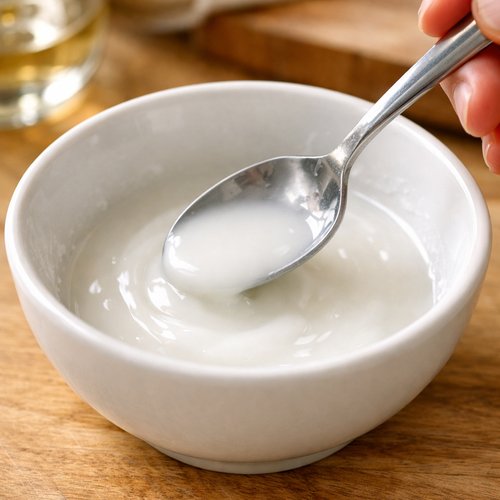
Start by combining your cornstarch with a splash of cold water in a small bowl—about two tablespoons. Stir this mixture until there are absolutely no lumps, because lumps will turn into little balls of gumminess in your finished dish. Once smooth, add the remaining cup of water along with your stock powder, soy sauce, hoisin sauce, sake, and sugar. Whisk everything together thoroughly. This isn’t just mixing; you’re creating an emulsion that will thicken evenly once it hits the heat. Set this aside and don’t touch it again until you need it.
Step 2: Prepare Your Tofu Properly
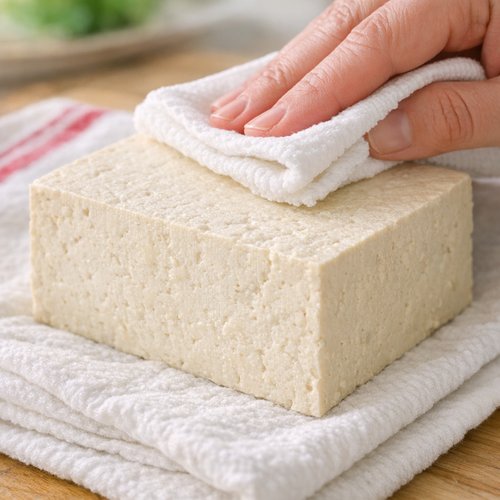
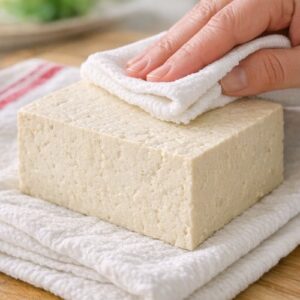
Remove your firm tofu from its packaging and gently drain any liquid. Place it on a clean kitchen towel and pat the surface dry—this matters more than you think. Moisture on the surface prevents proper browning and causes sticking. Now, using a sharp knife, cut the tofu into half-inch cubes. Work gently and deliberately; you’re not trying to rush this part. Rough, jagged cuts will lead to broken pieces during stirring. Set your tofu aside on another clean towel while you prep your aromatics.
Step 3: Mince Your Aromatics With Care
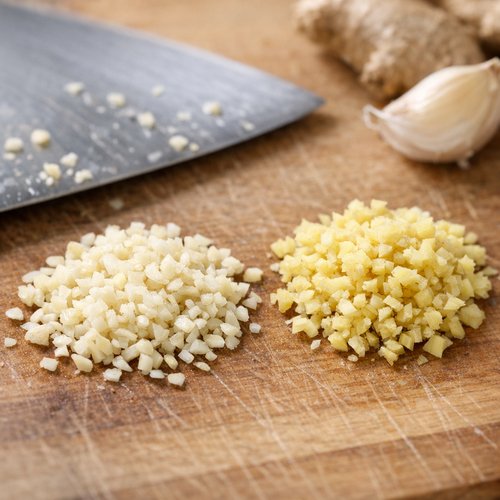
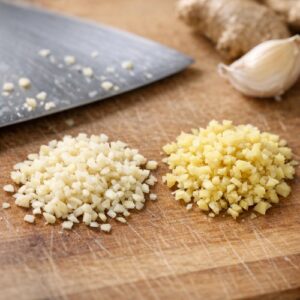
Here’s where precision matters. Take one fresh garlic clove and mince it finely—you want pieces about the size of a grain of rice. Do the same with your ginger, and then move to your scallions or shallots, mincing them into pieces roughly the size of sesame seeds. Keeping these separate (rather than mixing them) means you can add them at different moments for maximum aromatic impact. This is the foundation of flavor layering that my grandmother taught me.
Step 4: Heat Your Wok and Add Oil
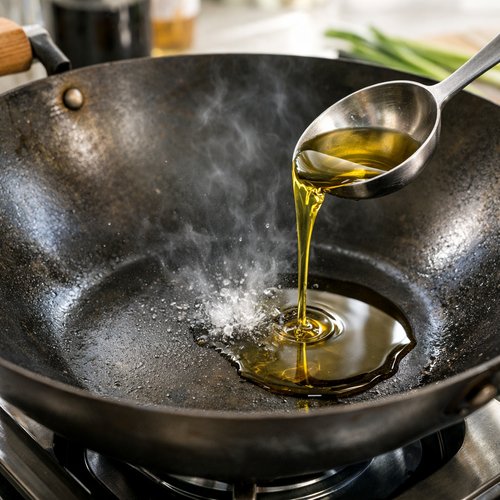
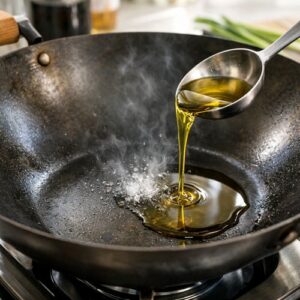
Place your wok or large skillet over high heat. You’ll know it’s ready when a drop of water sizzles and disappears instantly. Add your two tablespoons of neutral oil and swirl to coat the entire surface. The oil should shimmer and move freely across the pan—this is your signal that the temperature is perfect for infusing without burning. If the oil begins to smoke, lower the heat slightly; you want hot, not scorching.
Step 5: Infuse Your Aromatics Into the Oil
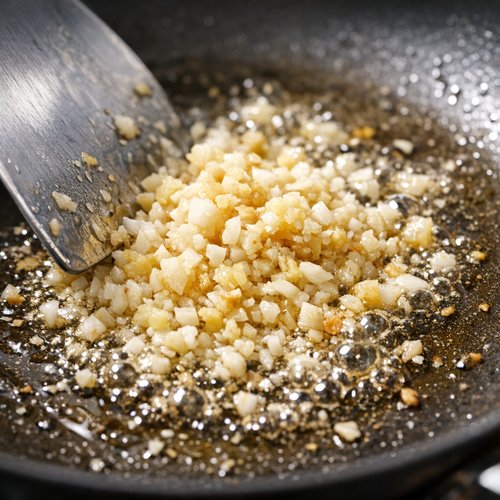
Add your minced garlic and ginger immediately and stir constantly for exactly ten seconds. You’ll notice the kitchen fill with a warm, complex aroma—that’s the essential oils releasing into your oil. Stop at ten seconds; this is not the time to hesitate or second-guess. Longer than this and the delicate compounds begin to burn, creating bitter notes instead of aromatic ones. It’s a precise moment that teaches you to trust your instincts.
Step 6: Add the Scallions and Begin Building Depth
Add your minced scallions or shallots and stir for thirty seconds. At this point, the pan smells like the beginning of something truly good. You’re creating a flavor base that will carry through every other ingredient. The aromatics are becoming golden at the edges, releasing their sugars and deepening their character.
Step 7: Brown Your Ground Beef Thoroughly
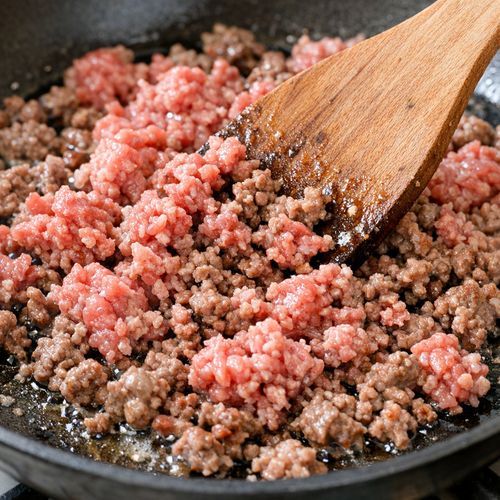
Add your five ounces of ground beef directly to the pan. Here’s the critical part: don’t walk away, and don’t let it sit in a clump. Using a wooden spoon or spatula, break the beef apart constantly, stirring it through the aromatics. You’re looking for the pieces to lose their raw pink color and develop a light golden-brown exterior. This takes about three to four minutes. The constant movement prevents it from sticking to the pan and ensures even cooking rather than some pieces being overcooked while others remain pink.
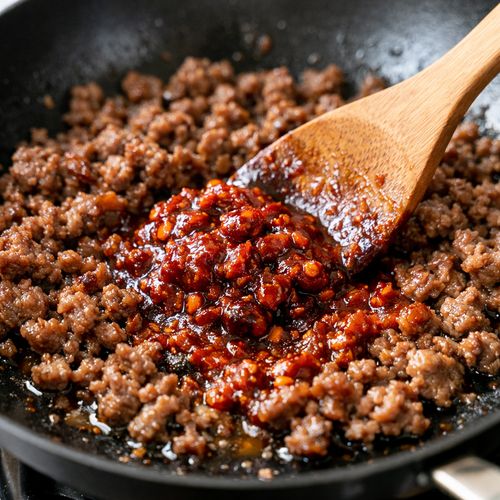
Step 8: Toast the Chili Bean Paste
Once your beef is browned, add your two teaspoons of chili bean sauce directly to the pan. Stir constantly for thirty seconds. This extra half-minute is where the magic happens—the fermented paste loses its raw bite and develops a deeper, roasted character that transforms the entire dish from one-dimensional to genuinely complex. You’ll smell the difference; the heat becomes warm instead of sharp.
Step 9: Add Your Prepared Sauce
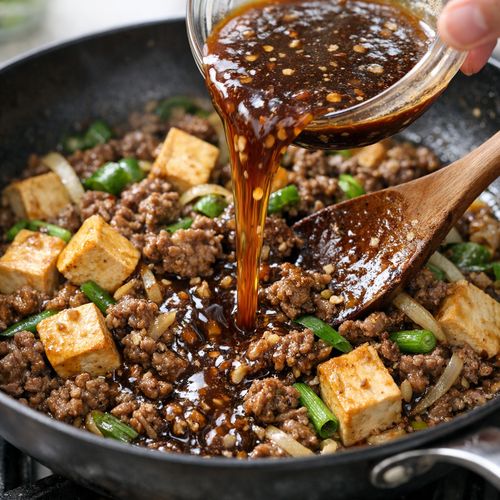
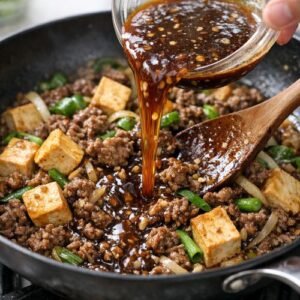
Pour your prepared sauce mixture into the pan carefully and stir gently but thoroughly, making sure to incorporate the beef and aromatics evenly. The pan will immediately look less crowded as the liquid spreads. Keep the heat at medium-high and let the sauce come to a gentle bubble. You’ll notice the cornstarch beginning to thicken the liquid—this happens gradually, not all at once.
Step 10: Introduce the Tofu Gently
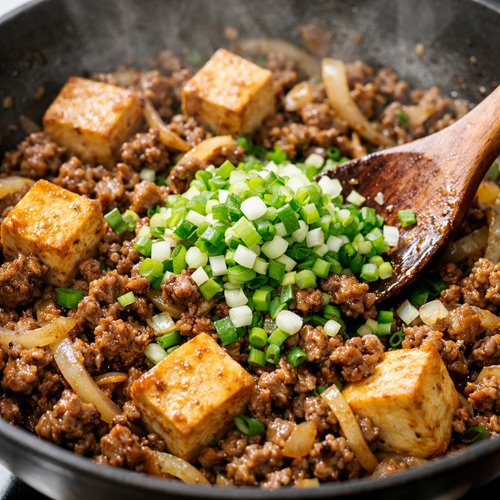
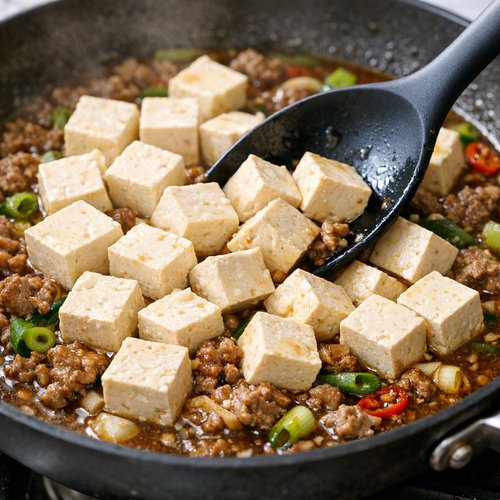
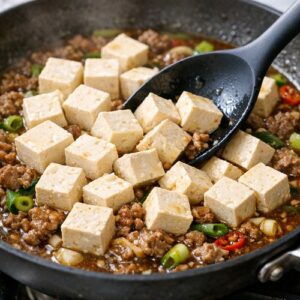
Add your prepared tofu cubes to the pan with the gentlest hand. Use a large spoon or silicone spatula and stir very carefully, using broad, slow motions rather than aggressive stirring. The goal is to coat every piece with sauce without breaking it apart. Lower your heat to medium so the sauce simmers rather than boils—this prevents the tofu from bouncing around violently and shattering. Continue this gentle stirring for one to two minutes, just long enough for the cornstarch to fully thicken and the tofu to absorb the sauce flavors.
Step 11: Add Sesame Oil for Aromatics
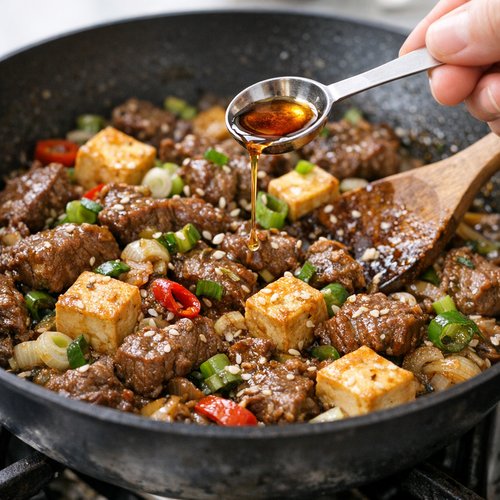
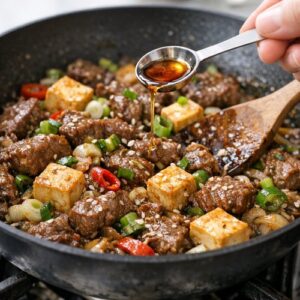
Remove the pan from heat. Drizzle in your one teaspoon of toasted sesame oil and stir gently to distribute. Never cook sesame oil directly; the heat destroys the delicate toasted flavor compounds. Adding it at the end means you preserve all those nutty, warm notes that make the dish taste like it came from someone’s beloved kitchen.
Step 12: Serve Immediately
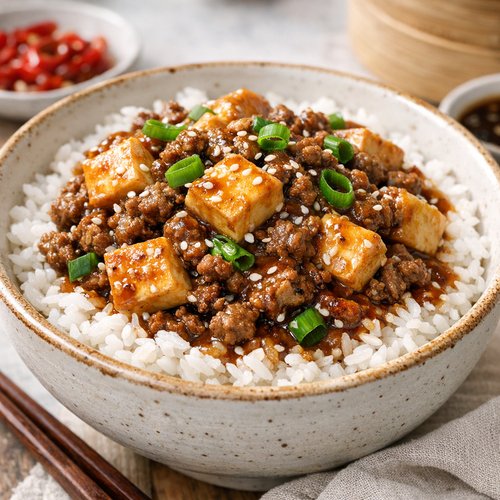
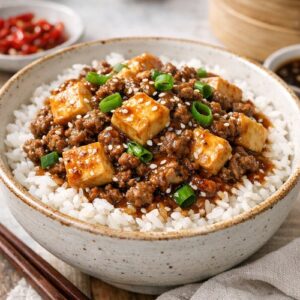
Transfer your Asian beef tofu to a serving bowl and bring it to the table while it’s still warm and the sauce is silky. Serve over steamed white rice, jasmine rice, or brown rice depending on your preference. The sauce should coat every grain beautifully.
The Most Common Mistakes (And How to Avoid Them)
- Using silken tofu instead of firm – silken tofu contains far too much moisture and will disintegrate the moment it touches heat; firm tofu holds its shape while still absorbing sauce beautifully. If you’ve already bought silken tofu, it’s better suited for soups or blended applications, not stir-fries.
- Skipping the aromatics’ thirty-second toast – rushing past this step means your chili bean paste stays sharp and one-dimensional rather than developing the roasted, complex depth that makes the entire dish work. Those thirty seconds transform fermented heat into something genuinely delicious.
- Stirring the tofu too aggressively – this is where most home cooks fail. You see the sauce thickening and instinctively start stirring vigorously, which breaks the tofu apart. Gentle, broad motions for just one to two minutes is all you need. Patience is a skill, not a personality trait.
- Adding sesame oil during cooking – the heat burns off everything that makes sesame oil special. Add it only after you’ve removed the pan from the stove, and the difference will be immediately obvious in both aroma and flavor.
How Do I Know When It’s Done?
You’ll recognize doneness through three distinct signals, not just timing. First, the sauce should coat a spoon—when you dip a spoon into the pan and lift it out, the sauce should cling rather than run off. Second, the tofu pieces should be intact but slightly translucent where they’ve absorbed the savory liquid, and they should move gently when you stir rather than crumbling. Third, and perhaps most important, you should smell distinct layers of aroma: garlic and ginger first, then the deeper fermented notes from the chili bean paste and soy sauce, with sesame coming through at the very end. When all three of these indicators are present, you’re done.
Troubleshooting: When Things Go Wrong
- Sauce is too thin and watery – the cornstarch didn’t activate properly, usually because your pan wasn’t hot enough or the sauce cooled before thickening. Solution: mix another half-tablespoon of cornstarch with two tablespoons of cold water, stir it smooth, add it to the pan, and let it bubble for thirty seconds while stirring gently. The extra starch will firm everything up.
- Tofu is falling apart into mushy pieces – you either used silken tofu or stirred too aggressively during cooking. If it’s already happened, embrace it; the broken pieces will still taste good, though the texture won’t be ideal. For next time, remember: firm tofu plus gentle stirring. It’s worth mentioning to anyone planning to make this dish.
- Beef tastes tough and stringy – you either cooked it at too high a temperature or let it sit in clumps without breaking it apart. Solution: lower your heat slightly and stir more frequently. Beef that’s constantly moved through the aromatics cooks more evenly and stays tender.
- Sauce tastes one-dimensional or flat – this usually means you skipped the thirty-second chili bean paste toast or forgot to add sesame oil at the end. Neither can be fixed mid-cook, but you’ve learned the critical steps for next time. Balance in Asian cooking comes from respecting fermented elements and finishing with aromatic oils.
Can I Store Asian Beef Tofu Recipe?
Yes, and it actually improves with a day in the refrigerator as the flavors marry together. Store the cooled dish in an airtight container for up to four days. The tofu will continue absorbing sauce, becoming even more flavorful. When you’re ready to eat, reheat gently in a wok or skillet over medium heat, stirring occasionally. Never use high heat for reheating—this risks breaking apart the tofu and making the sauce too thin.
You can also freeze this dish for up to two months, though the tofu’s texture will change slightly after thawing (it becomes slightly softer). The flavor remains excellent. Thaw overnight in the refrigerator before reheating. For best results, reheat from thawed state rather than directly from frozen, as this allows more even warming and prevents the sauce from separating.
Make-Ahead Guide: I recommend prepping your sauce and tofu the night before, storing them in separate containers. In the morning, you can have this dish on the table in fifteen minutes. Your aromatic prep (mincing garlic, ginger, and scallions) can also happen in advance; store these in separate, small containers to preserve their individual flavors. Don’t pre-mix the aromatics, as garlic loses potency when exposed to air.
Nutrition Information
Per serving (assuming four servings), this recipe provides approximately 285 calories, 18 grams of complete protein, 12 grams of fat, and 22 grams of carbohydrates from the sauce and small amount of cornstarch. The USDA data for tofu confirms it’s one of the rare plant-based sources of all nine essential amino acids, making it genuinely complete protein. Combined with the iron from beef, you’re getting approximately 15% of your daily iron requirement per serving, which is significant if you’re managing energy levels or menstrual health.
The fermented elements—soy sauce, hoisin, and chili bean paste—provide probiotics that support digestive health, something we’re only beginning to fully understand through modern research. The ginger aids digestion further, and the sesame oil contributes heart-healthy polyunsaturated fats. This isn’t indulgent comfort food that happens to be healthy; it’s genuinely nourishing, built on principles of balance that have sustained families for generations.
What Can I Serve With Asian Beef Tofu Recipe?
This dish shines alongside simple, clean sides that let it remain the star. Here are my recommendations based on balance and complementary flavors.
- Steamed white rice or jasmine rice – the mild, slightly sweet flavor provides a gentle canvas for the savory sauce to shine; let the rice absorb everything the tofu and beef offer
- Brown rice or wild rice blend – heartier grain that adds texture and nutty notes; excellent if you’re seeking more fiber and feeling like a fuller, more substantial meal
- Simple vegetable side dishes – steamed bok choy with a light touch of sesame oil, or try exploring bamboo sprouts recipe preparations for authentic accompaniments that echo traditional meal structures
- Pickled vegetables or quick cucumber salad – the brightness and acidity cut through the richness beautifully, providing palate relief and aiding digestion; this is something my grandmother always included without calling it “digestive support”
- Simple vegetable fried rice – if you want something more elaborate, our authentic shrimp fried rice recipe can be adapted by removing the shrimp and adding extra vegetables for a complementary carb base

Asian Beef Tofu Recipe
Ingredients
Method
- Start by combining your cornstarch with a splash of cold water in a small bowl—about two tablespoons. Stir this mixture until there are absolutely no lumps, because lumps will turn into little balls of gumminess in your finished dish. Once smooth, add the remaining cup of water along with your stock powder, soy sauce, hoisin sauce, sake, and sugar. Whisk everything together thoroughly. This isn't just mixing; you're creating an emulsion that will thicken evenly once it hits the heat. Set this aside and don't touch it again until you need it.

- Remove your firm tofu from its packaging and gently drain any liquid. Place it on a clean kitchen towel and pat the surface dry—this matters more than you think. Moisture on the surface prevents proper browning and causes sticking. Now, using a sharp knife, cut the tofu into half-inch cubes. Work gently and deliberately; you're not trying to rush this part. Rough, jagged cuts will lead to broken pieces during stirring. Set your tofu aside on another clean towel while you prep your aromatics.
- Here's where precision matters. Take one fresh garlic clove and mince it finely—you want pieces about the size of a grain of rice. Do the same with your ginger, and then move to your scallions or shallots, mincing them into pieces roughly the size of sesame seeds. Keeping these separate (rather than mixing them) means you can add them at different moments for maximum aromatic impact. This is the foundation of flavor layering that my grandmother taught me.
- Place your wok or large skillet over high heat. You'll know it's ready when a drop of water sizzles and disappears instantly. Add your two tablespoons of neutral oil and swirl to coat the entire surface. The oil should shimmer and move freely across the pan—this is your signal that the temperature is perfect for infusing without burning. If the oil begins to smoke, lower the heat slightly; you want hot, not scorching.
- Add your minced garlic and ginger immediately and stir constantly for exactly ten seconds. You'll notice the kitchen fill with a warm, complex aroma—that's the essential oils releasing into your oil. Stop at ten seconds; this is not the time to hesitate or second-guess. Longer than this and the delicate compounds begin to burn, creating bitter notes instead of aromatic ones. It's a precise moment that teaches you to trust your instincts.
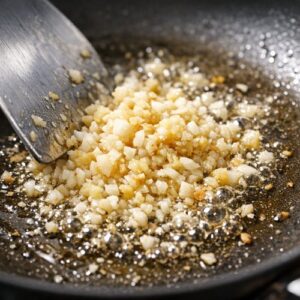
- Add your minced scallions or shallots and stir for thirty seconds. At this point, the pan smells like the beginning of something truly good. You're creating a flavor base that will carry through every other ingredient. The aromatics are becoming golden at the edges, releasing their sugars and deepening their character.
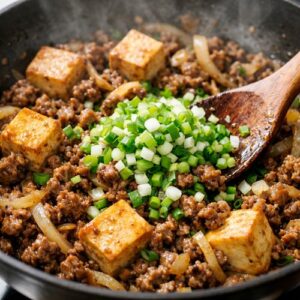
- Add your five ounces of ground beef directly to the pan. Here's the critical part: don't walk away, and don't let it sit in a clump. Using a wooden spoon or spatula, break the beef apart constantly, stirring it through the aromatics. You're looking for the pieces to lose their raw pink color and develop a light golden-brown exterior. This takes about three to four minutes. The constant movement prevents it from sticking to the pan and ensures even cooking rather than some pieces being overcooked while others remain pink.
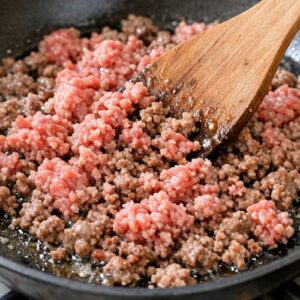
- Once your beef is browned, add your two teaspoons of chili bean sauce directly to the pan. Stir constantly for thirty seconds. This extra half-minute is where the magic happens—the fermented paste loses its raw bite and develops a deeper, roasted character that transforms the entire dish from one-dimensional to genuinely complex. You'll smell the difference; the heat becomes warm instead of sharp.
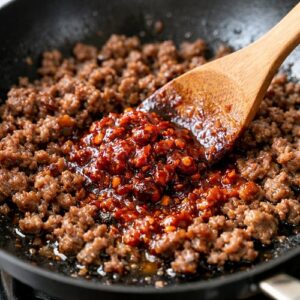
- Pour your prepared sauce mixture into the pan carefully and stir gently but thoroughly, making sure to incorporate the beef and aromatics evenly. The pan will immediately look less crowded as the liquid spreads. Keep the heat at medium-high and let the sauce come to a gentle bubble. You'll notice the cornstarch beginning to thicken the liquid—this happens gradually, not all at once.
- Add your prepared tofu cubes to the pan with the gentlest hand. Use a large spoon or silicone spatula and stir very carefully, using broad, slow motions rather than aggressive stirring. The goal is to coat every piece with sauce without breaking it apart. Lower your heat to medium so the sauce simmers rather than boils—this prevents the tofu from bouncing around violently and shattering. Continue this gentle stirring for one to two minutes, just long enough for the cornstarch to fully thicken and the tofu to absorb the sauce flavors.
- Remove the pan from heat. Drizzle in your one teaspoon of toasted sesame oil and stir gently to distribute. Never cook sesame oil directly; the heat destroys the delicate toasted flavor compounds. Adding it at the end means you preserve all those nutty, warm notes that make the dish taste like it came from someone's beloved kitchen.
- Transfer your Asian beef tofu to a serving bowl and bring it to the table while it's still warm and the sauce is silky. Serve over steamed white rice, jasmine rice, or brown rice depending on your preference. The sauce should coat every grain beautifully.
Notes
FAQs
Can I use ground pork or chicken instead of beef?
Absolutely. Ground pork creates a sweeter, slightly richer version that some people prefer; ground chicken delivers a lighter, more delicate result. The cooking time remains the same—three to four minutes to brown completely. Pork will render more fat into the pan (which is flavorful), while chicken won’t, so you might notice the beef version tastes slightly richer. All three work beautifully; choose based on what you have available or what your family prefers.
What if I can’t find chili bean sauce?
Chili bean paste and chili bean sauce are essentially the same thing—look for “doubanjiang” if you’re searching online. If you genuinely cannot find it, you can substitute with a combination of one teaspoon of sambal oelek (spicy chili paste) mixed with one teaspoon of miso paste for similar depth and heat. You’ll lose some fermented complexity, but the dish will still taste good. Taste as you go and adjust heat level to your preference.
Is this gluten-free?
Not as written, because soy sauce contains wheat. However, you can make it completely gluten-free by using tamari (wheat-free soy sauce) instead of regular soy sauce. Check your chili bean sauce and hoisin sauce labels, as some brands contain wheat while others don’t. Most quality Asian brands make gluten-free versions—it’s worth seeking them out if you’re managing celiac disease or gluten sensitivity. The rest of the recipe is naturally gluten-free.
How much sodium is in one serving?
Approximately 640 milligrams per serving. If you’re managing sodium intake, reduce the soy sauce to ½ tablespoon and use low-sodium versions of both soy sauce and hoisin. You may need to adjust the sugar very slightly upward to maintain balance, as salt and umami carry so much flavor. Add it gradually and taste as you go.
Can I make this in a regular skillet instead of a wok?
Yes, though a wok’s shape is genuinely helpful because it concentrates heat at the bottom and cools slightly at the sides, giving you more temperature control. A large, deep skillet (at least twelve inches) works fine. The only adjustment: stir more frequently to ensure even cooking, since a flat-bottomed skillet heats less consistently than a wok’s curved surface. The final result will be identical in flavor.
Can I prep this dish completely ahead of time and just reheat it for guests?
You can, but I recommend cooking it completely the morning of your gathering and reheating gently just before serving rather than cooking it days in advance. The tofu texture holds better with one day of storage rather than three, and the sauce maintains better consistency. If you’re truly planning ahead, prep your components in advance but finish cooking no more than eight hours before serving. Reheating over medium heat for five to seven minutes, stirring gently throughout, brings it back to its best self.
Seasonal Variations
Spring: Add one cup of fresh snap peas or tender asparagus pieces. Add them during the final minute of cooking so they stay crisp. The brightness of spring vegetables contrasts beautifully with the deep savory sauce.
Summer: Reduce the sauce slightly and serve over chilled rice with fresh herbs like Thai basil or cilantro scattered on top. The same flavors become lighter and more refreshing when served at room temperature.
Fall: Add one diced red bell pepper or two tablespoons of diced dried shiitake mushrooms. The earthiness matches autumn’s grounding energy and the slight sweetness complements cooler weather cooking.
Winter: Add one-quarter cup of diced mushrooms (cremini or shiitake) along with the beef. The umami deepens the dish’s warming qualities, making it feel more like genuine sustenance for cold seasons. This is when my grandmother would make it most often.
More Recipes You’ll Love
- BBQ Chinese Pork Recipe – another slow-cooked, deeply flavorful dish that builds complexity through patient cooking
- Baozi Recipe Vegetarian – steamed dumplings that showcase the same fermented, layered flavors from a different angle
- Authentic Moo Shu Recipe – another wok-based preparation that teaches heat control and aromatic balance
- Baked Pork Chop Rice Recipe – a one-dish meal that shares similar Asian flavor principles in a different cooking method
You now have everything you need to create this dish with confidence. You understand not just the steps, but the why behind each one—why aromatics matter at specific temperatures, why gentle stirring preserves tofu integrity, why fermented components need that extra thirty seconds to transform. This knowledge will serve you far beyond this single recipe; these principles apply to countless dishes you’ll make in years to come.
Your grandmother, if she was anything like mine, didn’t follow recipes; she understood principles. She knew that building flavor took patience, that respecting ingredients meant handling them with care, that true comfort comes from balance rather than excess. I hope this recipe helps you find that same intuitive knowledge, and I hope you’ll pass it forward—whether to family around a dinner table or simply to yourself, building confidence in your kitchen one perfectly executed dish at a time.
Happy Cooking!