Asian Mushroom Soup Recipe
This post contains affiliate links. As an Amazon Associate I earn from qualifying purchases.
I still remember the first time my grandmother made this for me on a gray November evening. I was maybe eight years old, sitting at her kitchen counter while rain pattered against the windows, watching her work with such deliberate care. She didn’t rush. She let those mushrooms sear slowly in the pan, their caps turning a deep mahogany while she hummed an old tune I can’t quite remember. When she poured the hot water into that golden pan, the kitchen filled with an earthy aroma that felt like a warm hug. That soup taught me something fundamental: the most nourishing meals aren’t about fancy techniques or exotic ingredients. They’re about respecting simple, whole foods and giving them time to become something transcendent. Whether you’re planning a quiet weeknight dinner or looking to impress guests with something both elegant and deeply satisfying, this comforting Asian-inspired creation will remind you why some recipes deserve to live forever on your family’s table.
Asian Mushroom Soup Recipe: A Timeless Bowl of Pure Umami Magic
I’ve spent my career as a registered dietitian studying how traditional wisdom and modern nutrition science can live together beautifully. This mushroom soup is a perfect example. My grandmother didn’t know about glutamates or the science of umami—that savory fifth taste that makes food so deeply satisfying—but she understood it instinctively. She knew that slow, patient cooking would coax out flavors that rushed recipes could never achieve. The first time I made this for guests after moving to Worcester, I realized something profound: this wasn’t just delicious. It was nourishing on every level.
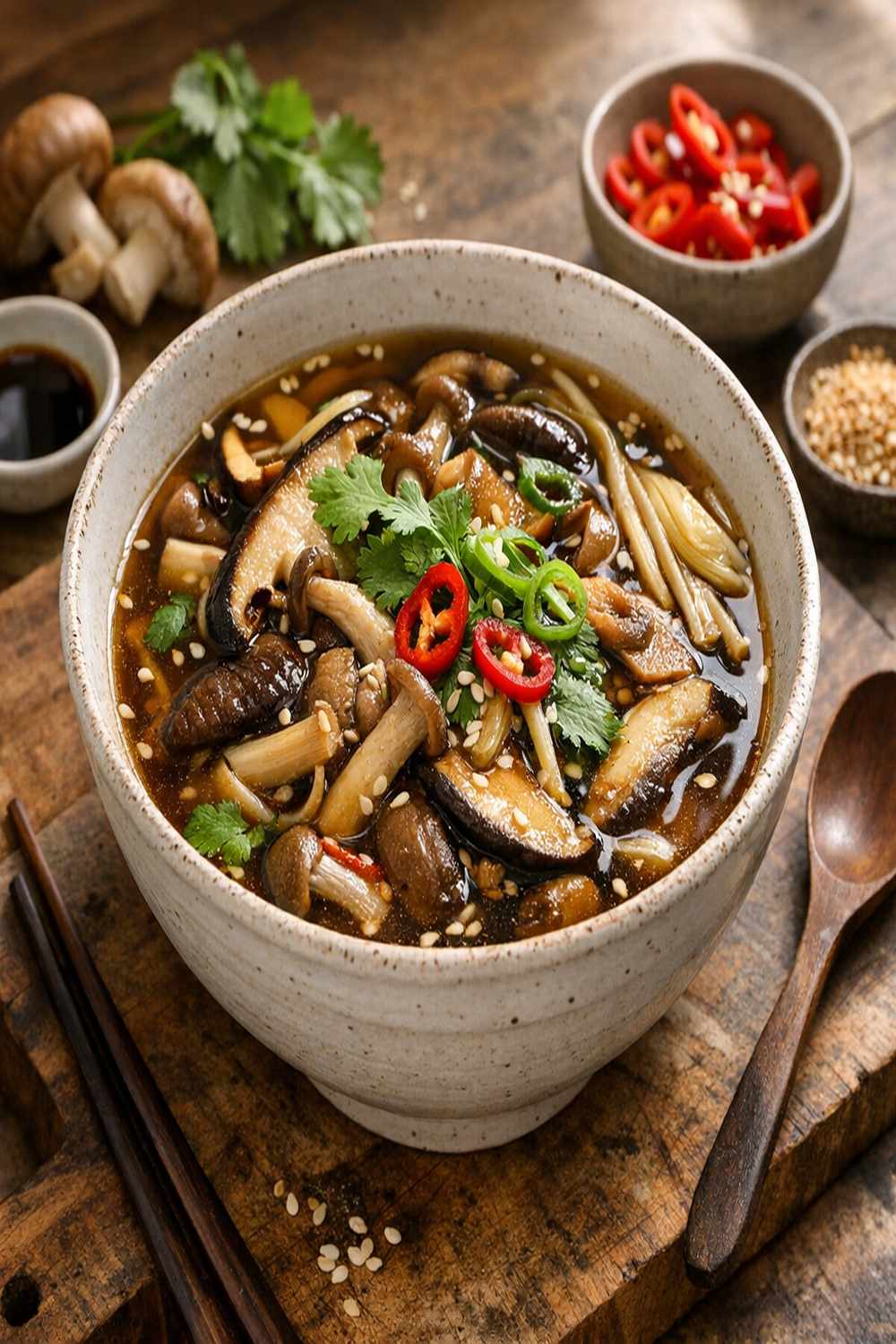
When to Make Asian Mushroom Soup Recipe
This is the kind of soup that answers life’s quiet moments and celebrates its grand ones. Here are the perfect occasions when this humble bowl becomes something memorable:
- Cold winter evenings when gathering feels essential – There’s something about a steaming bowl that brings people closer together, especially when the weather turns bitter outside.
- Family dinners where you want to impress without showing effort – The slow cooking happens mostly unattended, but the results taste like you spent hours tending the stove.
- Recovery meals after illness or challenging times – The gentle warmth, the easily digestible broth, and the restorative qualities of mushrooms make this perfect when bodies need nurturing.
- Pre-meal starter for holiday gatherings – It cleanses the palate, feels elegant in a simple way, and doesn’t overwhelm before the main courses arrive.
- Quiet Sunday lunches for one or two people – Sometimes the most meaningful meals are the intimate ones we make purely for ourselves.
What Makes This Asian Mushroom Soup Recipe Special
Most recipes rush through the cooking process. They dump ingredients into water and hope for the best. That’s not cooking—that’s assembly. What makes this mushroom soup sing is the foundational technique: the patient searing of mushrooms before any liquid touches them. This creates what food scientists call the Maillard reaction—a transformation where proteins and sugars interact under heat to build dozens of new flavor compounds. You’re not just cooking mushrooms. You’re unlocking their deepest, most complex essence.
As a dietitian, I also appreciate what happens nutritionally during this low-and-slow process. Mushrooms are packed with beta-glucans, powerful compounds that support immune function. These are actually more bioavailable—easier for your body to use—when mushrooms are cooked properly rather than raw. The gentle simmer also allows the umami-rich compounds to fully dissolve into the broth, creating a soup that satisfies deeply on both a nutritional and emotional level. This isn’t accidental comfort food. It’s purposeful nourishment.
Scaling for Your Crowd
One of my favorite things about this recipe is how gracefully it scales. Whether you’re cooking for yourself or feeding a dinner party of ten, the technique remains unchanged. The beauty of respecting simple ingredients is that the proportions stay honest.
- For 2 people (intimate dinner) – Use 4 ounces of mushrooms, 1 tablespoon oil, 2 cups water, and ¾ teaspoon soy sauce. Sear the mushrooms for about 6-7 minutes instead of the full 8-10, then simmer broth for just 3 minutes. This serves 2 gracefully with leftovers for lunch.
- For 4-6 people (family gathering) – Stick with the full recipe below. This is the sweet spot where you have enough volume to build flavor but still manage easily on a standard stovetop.
- For 8-12 people (special occasion) – Double the recipe but use two separate pots. Don’t try to cram it all into one—you need that single layer of mushrooms in the pan to properly sear them. Cook the broths separately, then combine just before serving. This also means you can season each pot to taste independently.
The Ingredients
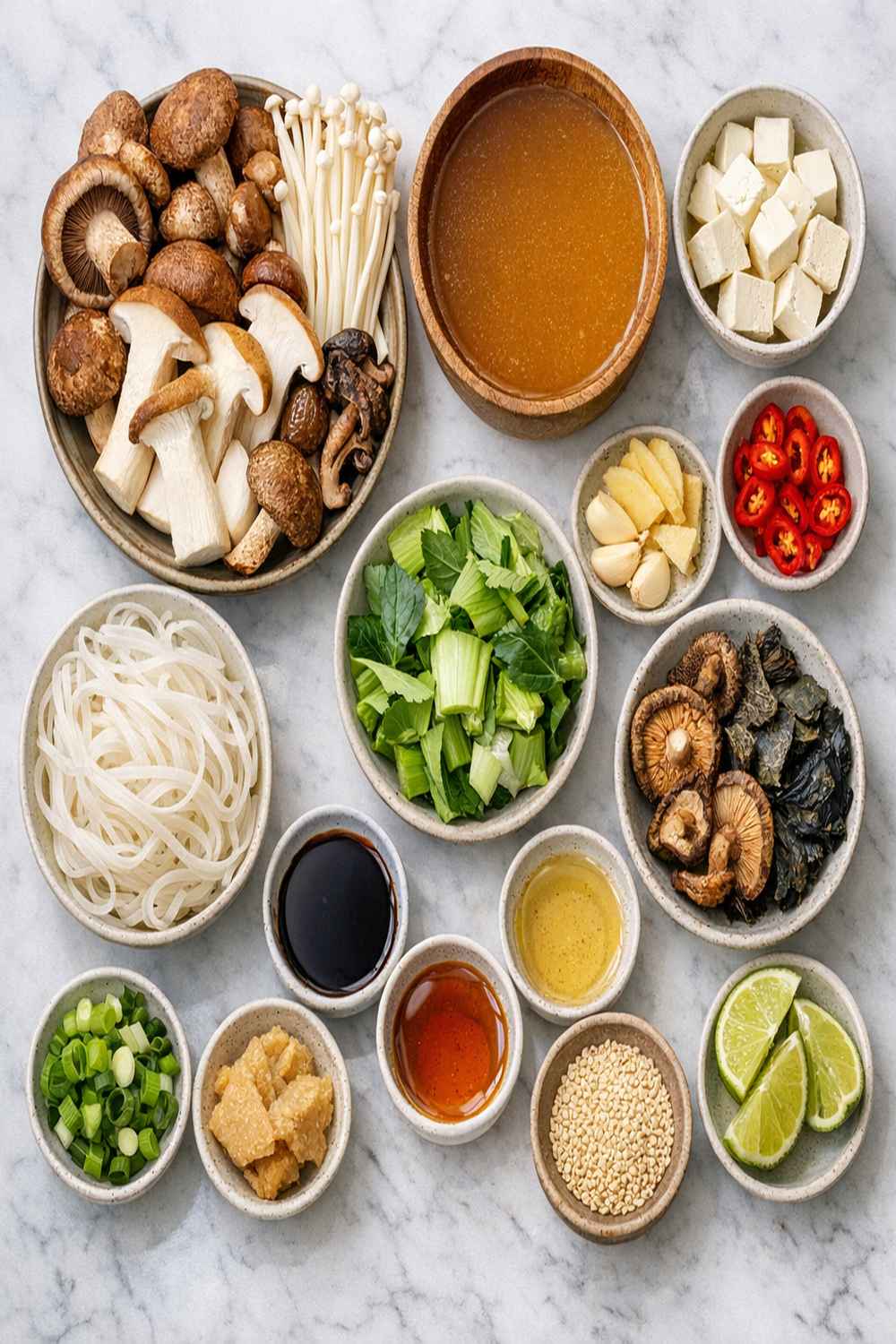
Here’s everything you need to create this deeply satisfying bowl. Each ingredient plays a specific role in building those layers of warmth and comfort:
- 2 tablespoons cornstarch mixed with 2 tablespoons water (optional, creates a silky body if you prefer thicker soup)
- 4 cups water (filtered water tastes cleaner and lets the mushroom flavor shine)
- 1½ teaspoons light soy sauce (use a quality brand; the flavor difference is remarkable)
- 2 tablespoons vegetable oil (something neutral like grapeseed or canola works beautifully—don’t use sesame here)
- 8 ounces button mushrooms (the smaller and firmer the better—they hold their shape during cooking and develop better flavor)
- 1 scallion chopped into thin rings (both white and green parts contribute different flavors)
- 1 teaspoon ginger juice or finely minced fresh ginger (optional but adds brightness that complements the earthiness)
- White pepper to taste (white pepper feels warmer than black in this context)
- ½ cup fresh cilantro finely chopped (or more if you love it like I do)
- Sea salt to taste (for final seasoning adjustment)
How to Make Asian Mushroom Soup Recipe for Your Occasion
This is going to sound almost too simple when you read it. That’s the point. Cooking doesn’t need to be complicated to be meaningful. Follow these steps with intention, and you’ll understand why my grandmother made this soup countless times across decades.
Step 1: Prepare Your Mushrooms With Respect
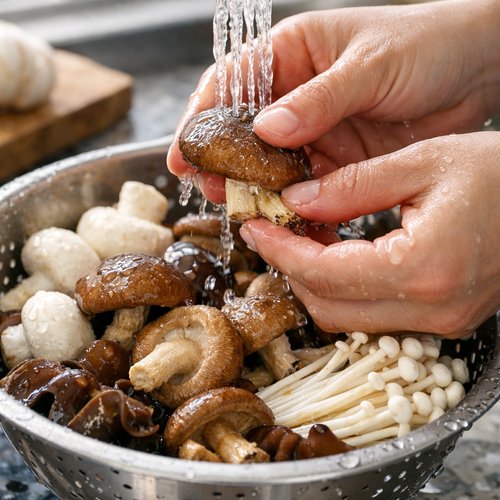
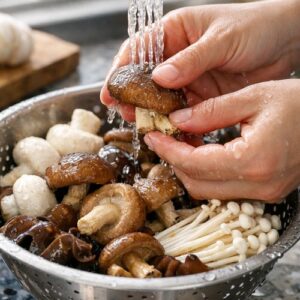
Start by gently rinsing your mushrooms under cool running water, using your fingers to remove any soil from the caps and stems. Mushrooms are about ninety percent water, so they’re actually more forgiving than people think—brief, gentle rinsing won’t hurt them. Pat them completely dry with a clean kitchen towel. This matters tremendously. Any surface moisture will create steam instead of allowing proper browning. While they dry, detach the stems from the caps. Don’t waste anything. Those stems carry just as much flavor as the caps—sometimes more concentrated, actually. Set everything aside on a clean plate.
Step 2: Begin the Searing—This Is Where Magic Happens
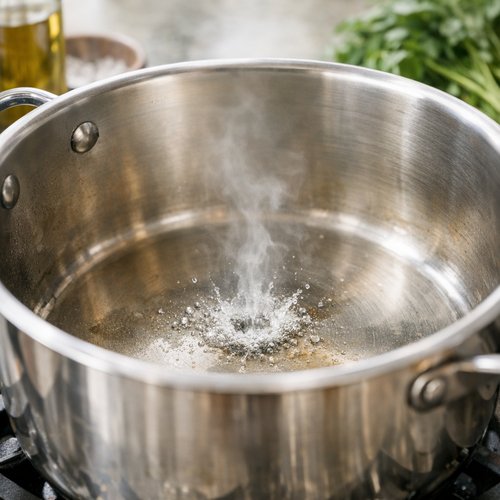
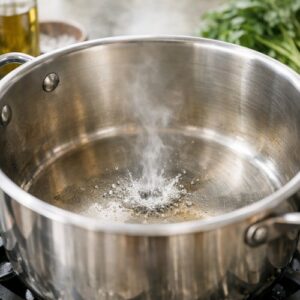
Place your medium soup pot over medium-high heat. Let it warm for about two minutes until it’s genuinely hot—not just warm, but hot enough that a drop of water would bead and dance across the surface. Now add your oil. Let it warm for about thirty seconds until it shimmers slightly. This is the critical moment.
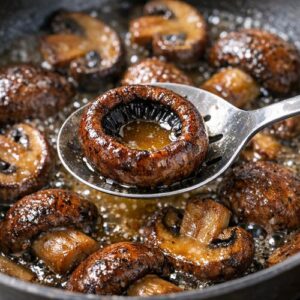
Arrange your mushroom caps cup-side up in a single layer. Nestle the stems between and around the caps. Don’t crowd the pan—you need space for heat to contact each piece. You might hear a satisfying sizzle. That’s what you want to hear. Don’t stir. Don’t fuss. Don’t flip them. I know the instinct is strong, but this is a lesson in patience. Let them sit for about four minutes while the bottoms develop a deep, caramelized brown color. During this time, the mushrooms release their own moisture, which evaporates and concentrates their flavors.
Step 3: Let Them Complete Their Transformation
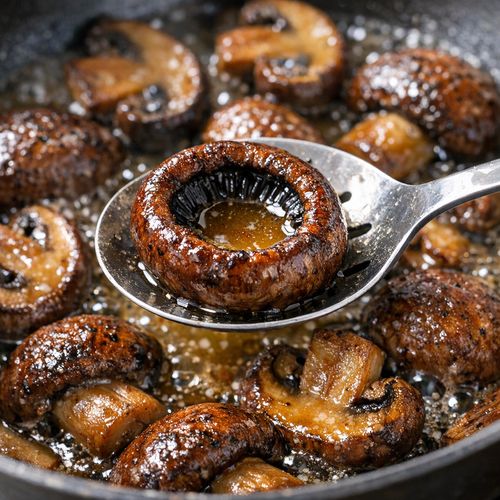
After four minutes, carefully check one mushroom cap. You should see rich, mahogany-brown coloring. The liquid that accumulated in the cup should still be there—that’s the mushroom’s own essence. Reduce your heat to medium and let them continue cooking, undisturbed, for another four to six minutes. You’re watching for the caps to develop deep caramelization while the stems turn golden. The mushrooms will give off more liquid as they continue cooking. This is exactly what should happen. That liquid is concentrated umami-rich juice that will form the foundation of your broth.
Step 4: Add the Water and Seasoning
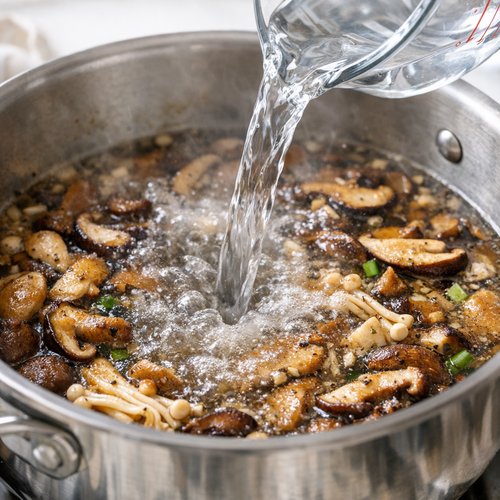
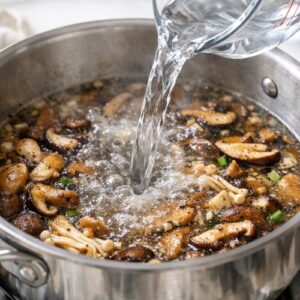
Once your mushrooms are gorgeously browned, carefully pour in all four cups of water. You’ll hear it hit the hot pan—this is the moment where all that caramelized flavor gets pulled into the liquid. Add your soy sauce. Stir gently to combine. Bring everything to a rolling boil over medium-high heat—this should take about three to four minutes. Once you see consistent bubbles breaking the surface, reduce the heat to low, cover the pot partially (leave the lid slightly ajar to allow some steam to escape), and let it simmer gently for five minutes.
Step 5: Season and Thicken If You Wish
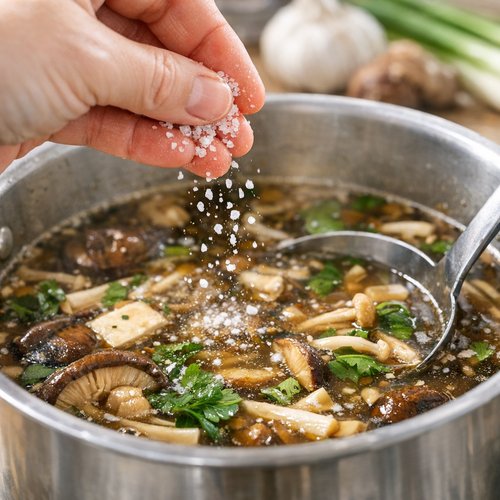
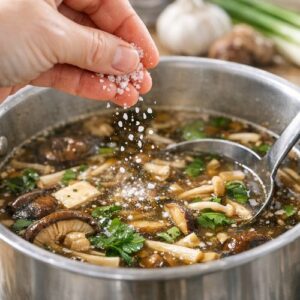
After five minutes of gentle simmering, taste the broth. This is your moment to adjust. Add a pinch of sea salt and taste again. You’re looking for that point where the earthy mushroom flavor is fully present but not overpowering. If you prefer a thicker, silkier soup, now is the time to use the cornstarch slurry. Stir the cornstarch mixture once more to ensure it’s fully combined (the starch settles quickly), then slowly pour it into your simmering broth while stirring constantly. You’ll see the soup transform from clear to opaque and slightly creamy. Simmer for just thirty seconds to fully activate the thickening power. If you prefer a clear, delicate broth, skip this step entirely—both versions are equally authentic and nourishing.
Step 6: The Finishing Touch
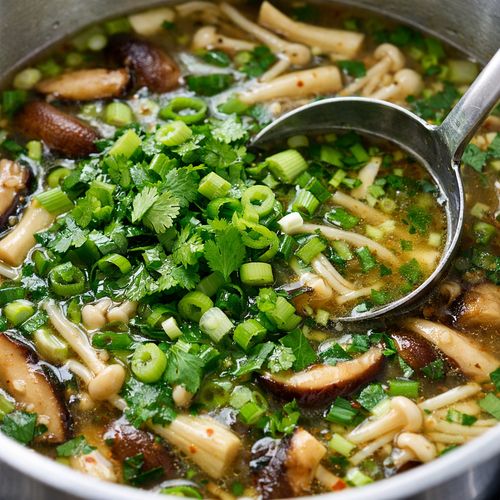
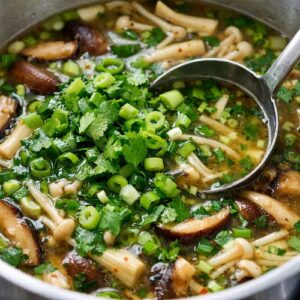
Just before serving—and this timing is genuinely important—add your chopped cilantro and sliced scallions. Stir through gently. The fresh herbs should still have their bright color and vibrant aroma when the soup reaches your bowl. If you’ve got that ginger juice, a teaspoon stirred in now adds a whisper of brightness. A crack of white pepper finishes it beautifully. This is when the soup transitions from technically complete to truly alive.
Make-Ahead Timeline
As someone who’s cooked countless times for events and gatherings, I know that strategic timing transforms stress into enjoyment. Here’s how to work with this recipe across your preparation timeline:
- Three days before your gathering – Purchase your mushrooms and store them in a paper bag in the refrigerator. Paper breathes better than plastic, keeping mushrooms fresher longer. Plan your menu around this soup so you know what complements it.
- One day before – Rinse and dry your mushrooms thoroughly. Store them in the same paper bag. You could even make the broth completely (through step 5) the day before, storing it in an airtight container in the refrigerator. The flavors actually deepen overnight.
- Day of, two hours before serving – If you made broth ahead, gently reheat it over medium-low heat. If making fresh, begin your mushroom searing. This gives you time for unhurried cooking without last-minute pressure.
- Just before serving – Chop your fresh herbs while the broth reaches the perfect temperature. This last-moment addition keeps them vibrant and maximizes nutritional value—heat does diminish some of the beneficial compounds in cilantro.
How to Present and Plate Asian Mushroom Soup Recipe
I learned from my grandmother that presentation matters, not because it’s about pretension, but because beauty on a plate signals care. It tells people they’re worth this attention. Here’s how to serve this soup so it looks as nourishing as it actually is:
- Warm your bowls first – Place them in a warm oven for three to four minutes before serving. A warm bowl keeps your soup at the perfect temperature much longer and feels genuinely luxurious to hold.
- Ladle soup with intention, making sure each bowl gets mushroom pieces and concentrated broth – The mushrooms should be distributed fairly. No one wants to reach the bottom of a beautiful-looking bowl to find nothing but clear liquid.
- Crown each bowl with a generous pinch of fresh cilantro and scattered scallion pieces – The green color against the warm golden broth is visually striking and signals freshness to the person eating it.
- Serve with delicate spoons rather than large soup spoons – There’s something about the right tool that changes how food feels. Smaller spoons encourage people to slow down and savor.
Seasonal Variations
Cooking seasonally keeps you connected to the land and the rhythms of nature. Here’s how I adapt this soup throughout the year while maintaining its essential character:
- Spring and Summer Version – Add a handful of fresh young spinach or bok choy during the final minute of cooking. Include thin slices of fresh garlic in the cilantro garnish. Some tender asparagus pieces seared in the same pan before adding mushrooms add color and variety. The effect feels brighter and more awakening while maintaining that deep umami base.
- Fall and Winter Version – Sear thin slices of fresh ginger alongside the mushrooms for extra warming properties. Add a star anise pod during the simmering step, removing it before serving—it adds subtle anise notes that feel comforting as temperatures drop. A pinch of dried shiitake mushroom powder mixed into the finished broth intensifies the earthiness. Include more cilantro since we’re drawn to larger, more robust flavors as the year cools.
What to Serve Alongside Asian Mushroom Soup Recipe
This soup is substantial and nourishing enough to stand alone, but it also plays beautifully with other dishes. Building a thoughtful menu around it creates an experience rather than just a meal. I often pair it with delicate proteins or other components that don’t fight its gentle earthiness.
Light proteins work beautifully alongside this soup. A piece of steamed white fish, gently flavored with ginger and soy, feels elegant and complementary. BBQ Chinese pork with its caramelized exterior creates a wonderful textural contrast against the smooth broth.
- Steamed white rice or sticky rice – Let people drizzle soup over rice, creating a more substantial dish if they wish. Rice absorbs and carries the flavors beautifully.
- Soft noodles or wheat noodles – Some people love adding delicate noodles directly to their soup. Prepare them separately, then allow guests to add them to their bowls.
- Grilled or steamed dumplings – Vegetarian baozi served alongside create a complete, satisfying meal that feels celebratory.
- Lightly sautéed greens – Something like gai lan or bok choy, cooked separately with just a whisper of garlic and sesame oil, adds nutrition and textural variety.
- Simple green salad – A small portion of crisp greens with light vinaigrette cleanses the palate and adds fresh vegetable variety to the meal.
Can I Store Asian Mushroom Soup Recipe?
Yes, and this is where this recipe becomes genuinely practical for busy life. The broth stores beautifully because it’s already been cooked completely and contains no raw ingredients that deteriorate quickly.
In the refrigerator: Store cooled broth in an airtight glass container for up to four days. The flavors actually intensify slightly as it sits. When you’re ready to eat, reheat gently over medium heat, stirring occasionally. If you’ve already added the cilantro and scallions, they’ll lose vibrancy after a day, so I recommend storing the broth separately and adding fresh herbs just before serving.
In the freezer: This soup freezes beautifully for up to three months. Pour cooled broth into freezer containers, leaving about an inch of space at the top for expansion. Thaw overnight in the refrigerator, then reheat gently. Again, add fresh cilantro and scallions after reheating for maximum flavor and nutritional benefit.
Make-ahead tip for entertaining: Make the broth completely two days before your gathering. Refrigerate it overnight. This allows you time to taste, adjust seasoning, and be completely confident in the final product. An hour before guests arrive, simply reheat it gently while you take care of other preparations. Then add those vibrant fresh herbs moments before serving. This approach removes last-minute cooking stress while ensuring everything tastes perfect.
Common Mistakes to Avoid
I’ve made these mistakes myself, and watching other cooks repeat them has taught me what most often goes wrong with this deceptively simple recipe:
- Stirring the mushrooms while they sear – This is the biggest one. I see cooks get nervous and start moving things around. The bottom of the pan stays at the right temperature for browning only if the mushrooms stay still. Trust the process. The mushrooms know what they’re doing.
- Using mushrooms that are too wet – Rinsing thoroughly is fine, but they must be completely dry. Wet mushrooms will steam instead of sear, and you’ll lose that crucial flavor development. Dry them as if you’re preparing them for a special event—because you are.
- Overcrowding the pan – Even if you only have a small pan, resist the urge to layer mushrooms. Work in batches if necessary. Each mushroom needs direct contact with the hot pan surface. Crowding means steaming, not searing.
- Rushing the simmer – Some people want to boil the broth hard and fast, thinking it builds flavor quicker. It doesn’t. Gentle simmering allows flavors to meld gracefully. This is low-and-slow cooking fundamentally—rushing defeats the purpose.
Expert’s Nutritional Insight: The Magic of Mushroom Umami
As a registered dietitian, I want you to understand what’s actually happening nutritionally when you eat this soup. Mushrooms contain natural compounds called nucleotides—primarily something called guanylate. When mushrooms are cooked, especially through patient searing that develops deep color, these compounds become more concentrated and more available for your body to use.
These nucleotides are what your taste receptors recognize as umami, that fifth taste that feels so profoundly satisfying. More importantly, umami satisfaction actually signals satiety to your brain more effectively than sweet or salty flavors do. This is why a bowl of this mushroom soup leaves you feeling genuinely nourished and satisfied, often more so than much larger portions of other foods.
The slow cooking method also preserves the beta-glucans I mentioned earlier—compounds that support immune function. Studies from USDA research shows that cooked mushrooms provide beta-glucans in forms your body can actually absorb and use. This soup is nutritional science and traditional wisdom working together perfectly.
Nutrition Information
Based on USDA nutritional databases, one serving (approximately 1.5 cups of finished soup, serves 4) contains:
- Calories: 85
- Protein: 3.2 grams – primarily from mushrooms and soy sauce
- Fat: 7.5 grams – all from the vegetable oil, a healthy fat that aids nutrient absorption
- Carbohydrates: 4.8 grams – mostly from mushroom solids and complex carbohydrates
- Fiber: 0.7 grams – supports digestive health
- Sodium: 320 milligrams – manageable if you control salt additions; use low-sodium soy sauce to reduce
This is beautifully nutrient-dense food. You’re getting real nourishment—vitamins B, minerals like selenium and potassium, and powerful phytonutrients—without excessive calories. Perfect for anyone eating mindfully.

Asian Mushroom Soup Recipe
Ingredients
Method
- Start by gently rinsing your mushrooms under cool running water, using your fingers to remove any soil from the caps and stems. Mushrooms are about ninety percent water, so they're actually more forgiving than people think—brief, gentle rinsing won't hurt them. Pat them completely dry with a clean kitchen towel. This matters tremendously. Any surface moisture will create steam instead of allowing proper browning. While they dry, detach the stems from the caps. Don't waste anything. Those stems carry just as much flavor as the caps—sometimes more concentrated, actually. Set everything aside on a clean plate.
- Place your medium soup pot over medium-high heat. Let it warm for about two minutes until it's genuinely hot—not just warm, but hot enough that a drop of water would bead and dance across the surface. Now add your oil. Let it warm for about thirty seconds until it shimmers slightly. This is the critical moment. Arrange your mushroom caps cup-side up in a single layer. Nestle the stems between and around the caps. Don't crowd the pan—you need space for heat to contact each piece. You might hear a satisfying sizzle. That's what you want to hear. Don't stir. Don't fuss. Don't flip them. I know the instinct is strong, but this is a lesson in patience. Let them sit for about four minutes while the bottoms develop a deep, caramelized brown color. During this time, the mushrooms release their own moisture, which evaporates and concentrates their flavors.
- After four minutes, carefully check one mushroom cap. You should see rich, mahogany-brown coloring. The liquid that accumulated in the cup should still be there—that's the mushroom's own essence. Reduce your heat to medium and let them continue cooking, undisturbed, for another four to six minutes. You're watching for the caps to develop deep caramelization while the stems turn golden. The mushrooms will give off more liquid as they continue cooking. This is exactly what should happen. That liquid is concentrated umami-rich juice that will form the foundation of your broth.
- Once your mushrooms are gorgeously browned, carefully pour in all four cups of water. You'll hear it hit the hot pan—this is the moment where all that caramelized flavor gets pulled into the liquid. Add your soy sauce. Stir gently to combine. Bring everything to a rolling boil over medium-high heat—this should take about three to four minutes. Once you see consistent bubbles breaking the surface, reduce the heat to low, cover the pot partially (leave the lid slightly ajar to allow some steam to escape), and let it simmer gently for five minutes.
- After five minutes of gentle simmering, taste the broth. This is your moment to adjust. Add a pinch of sea salt and taste again. You're looking for that point where the earthy mushroom flavor is fully present but not overpowering. If you prefer a thicker, silkier soup, now is the time to use the cornstarch slurry. Stir the cornstarch mixture once more to ensure it's fully combined (the starch settles quickly), then slowly pour it into your simmering broth while stirring constantly. You'll see the soup transform from clear to opaque and slightly creamy. Simmer for just thirty seconds to fully activate the thickening power. If you prefer a clear, delicate broth, skip this step entirely—both versions are equally authentic and nourishing.
- Just before serving—and this timing is genuinely important—add your chopped cilantro and sliced scallions. Stir through gently. The fresh herbs should still have their bright color and vibrant aroma when the soup reaches your bowl. If you've got that ginger juice, a teaspoon stirred in now adds a whisper of brightness. A crack of white pepper finishes it beautifully. This is when the soup transitions from technically complete to truly alive.
Notes
FAQs
Can I use different types of mushrooms?
Absolutely. While button mushrooms are traditional and accessible, this recipe celebrates mushrooms generally. Cremini mushrooms (which are just mature button mushrooms) work beautifully. Oyster mushrooms, with their delicate texture, create a more refined broth. Shiitake mushrooms bring deeper umami and earthiness—if using these, reduce the amount slightly since they’re more intense. Even a mix of mushroom types creates complexity. The technique remains identical regardless of variety. Just ensure whatever you use is firm and fresh, with no soft spots or discoloration.
Is there a way to make this vegetarian? Does it already count?
Yes, this recipe is already vegetarian! Every single ingredient is plant-based. The soy sauce adds umami depth that might traditionally come from meat-based broths in some Asian cuisines, but this stands perfectly on its own. If you want to deepen the umami further for vegetarian guests, try adding a kombu seaweed strip (a few inches) during the simmering stage, removing it before serving. This adds iodine and additional umami compounds without changing the essential character of the soup.
How does this work for someone managing sodium intake?
This matters for more people than we often acknowledge. If you’re managing sodium carefully, use low-sodium soy sauce—these are readily available and taste nearly identical to regular versions. Start with just ¾ teaspoon and taste before adding more. The mushrooms themselves contribute umami naturally, so the soup tastes complete even with less soy sauce. You can also increase the ginger or add a small dried chile for complexity that compensates for reduced salt. The beauty of simple cooking is that you control every variable.
Can I make this in an Instant Pot or pressure cooker?
You can, but I don’t recommend it for this specific recipe. The Maillard reaction—that crucial browning that builds flavor—requires dry heat and time. Pressure cookers speed everything up, which bypasses the slow flavor development that makes this soup special. If you use a pressure cooker, you’d essentially be cutting the searing time, and the broth wouldn’t develop the same depth. Some recipes improve with pressure cooking; this isn’t one of them. The stovetop method is genuinely the right one here, and it takes only about twenty minutes total.
What if I don’t love cilantro?
Not everyone’s taste buds are wired for cilantro, and that’s completely legitimate—some people genuinely taste a soapy flavor that others don’t detect. If you’re in that camp, simply omit the cilantro entirely and increase the scallions as garnish. Fresh mint leaves work beautifully as an alternative. Some people add a whisper of sesame oil in the final step instead, which adds richness and aromatic complexity. The soup is flexible enough to honor individual preferences. The mushroom and broth base remains the star.
More Recipes for Your Table
- Bao Recipe Filling – Delicate steamed buns that pair perfectly alongside this soup for a complete, satisfying meal
- Baked Char Siew Bao Recipe – Golden-baked dumplings with savory filling that complement the light, umami-rich broth
- Authentic Beef Broccoli Recipe – A heartier protein dish that rounds out your meal beautifully
- Bamboo Sprouts Recipe – A crisp, delicate side that adds textural variety to a meal centered on this soup
Final Thoughts: Making Memories Through Cooking
I think about my grandmother often when I make this soup. She’s been gone for years now, but her hands guide mine in the kitchen. She taught me that the most powerful meals aren’t the complicated ones—they’re the ones made with intention and respect for ingredients. When you sear those mushrooms slowly, when you let the water warm to a gentle simmer, when you add fresh cilantro just before serving, you’re participating in something ancient and meaningful.
This soup has fed my family through seasons and celebrations. It’s comforted people during difficult times. It’s impressed guests who expected much more complicated food. Most importantly, it’s taught everyone who’s tasted it that genuine nourishment doesn’t require showiness. It requires presence.
Make this for someone you love. Make it for yourself on an evening when you need warmth. Make it for a gathering where you want people to feel truly cared for. Let the mushrooms brown slowly. Resist the urge to rush. Notice how the kitchen fills with that earthy, welcoming aroma. This is cooking at its most honest and beautiful.
Happy Cooking!