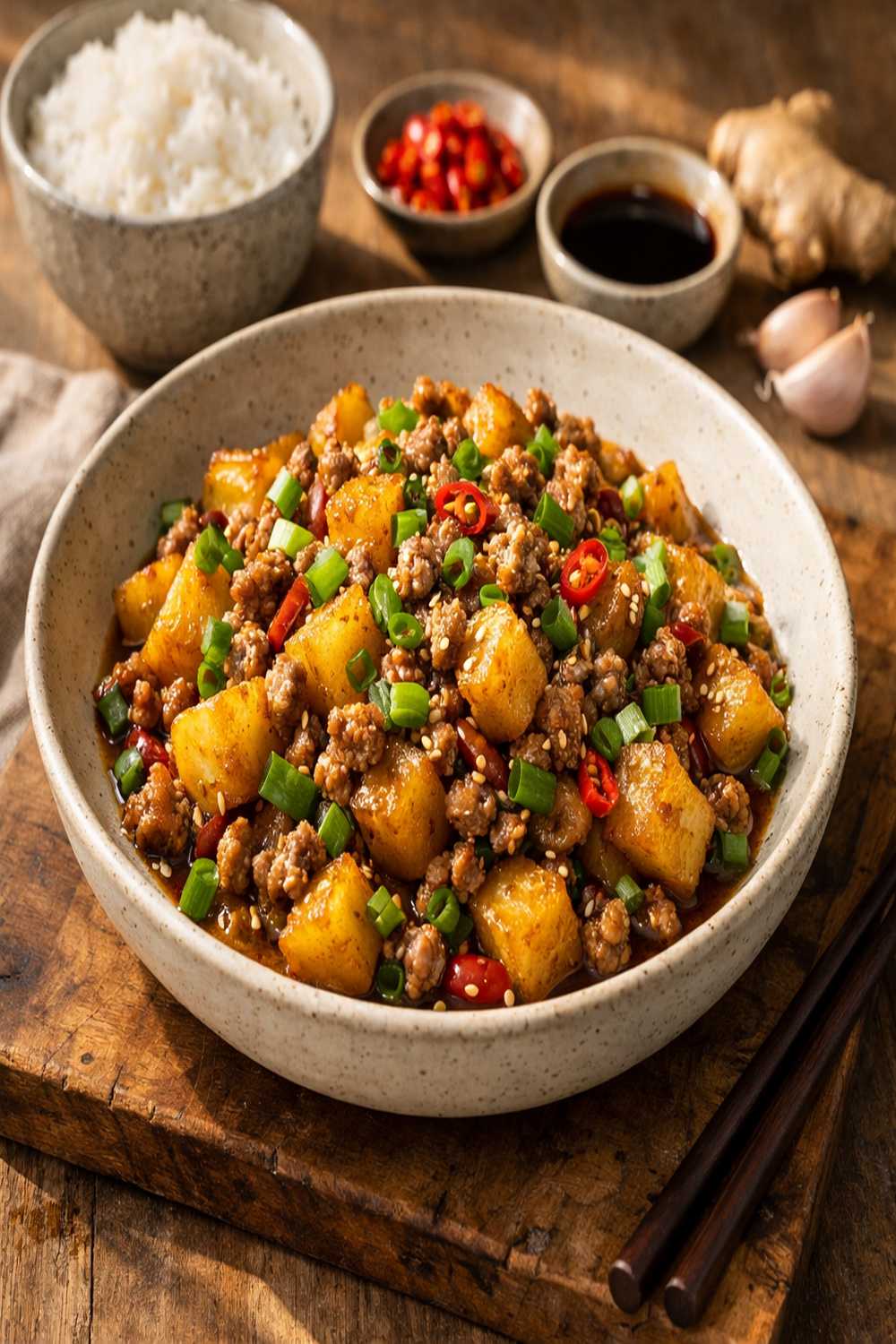

Ingredients
Method
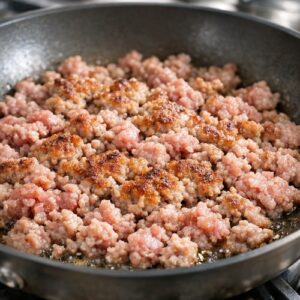
Step 1: Brown the Pork Over Medium-High Heat
- Add the ground pork to your pan over medium-high heat and let it cook undisturbed for about 2 minutes first—this creates a beautiful golden crust. Then break it apart gently with a wooden spoon or spatula, continuing to cook until no pink remains, roughly 5-6 minutes total. This is where the magic begins. Breaking the meat into smaller pieces as it cooks ensures it'll coat evenly in the glaze later. Once browned, transfer the pork to a clean plate and set it aside. Don't discard those browned bits stuck to the pan—that's pure umami flavor waiting for us.
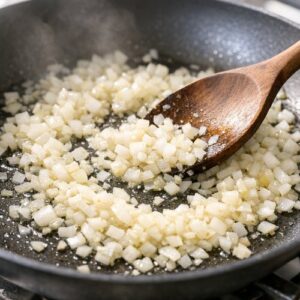
Step 2: Soften the Aromatics
- Lightly spray the same pan with cooking oil and reduce heat to medium. Add your finely diced onion and cook for about 3-4 minutes, stirring occasionally, until it turns translucent and lightly golden at the edges. You're not rushing this step—letting the onion slowly release its natural sugars creates a subtle sweetness that balances the spice later. The onion should be soft enough to break apart easily with your spoon.
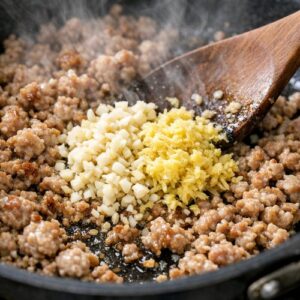
Step 3: Add Garlic and Ginger
- Stir in your minced garlic and grated ginger, cooking for exactly one minute. This brief window is critical—you want those aromatics to become fragrant and release their oils, but not brown or turn bitter. The ginger's peppery warmth and garlic's pungent depth are about to become the foundation of your entire dish. You'll smell the transformation immediately; that's your cue you're on the right track.
Step 4: Combine Pork with the Flavor Base
- Return the cooked pork to the pan along with the gochujang paste, soy sauce, maple syrup, sesame oil, and water. Stir everything together until well combined, making sure the gochujang paste (which can be thick) is evenly distributed throughout. The mixture should look vibrant and aromatic. Turn the heat down to medium and let this simmer gently.

Step 5: Let It Reduce and Caramelize (The Most Important Step)
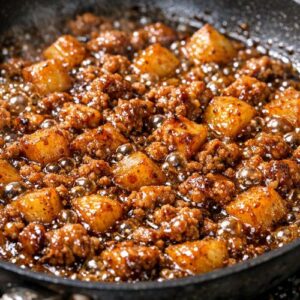
- Here's where patience becomes your secret weapon. Allow the mixture to simmer for 8-10 minutes without stirring constantly—let it bubble gently and reduce. Stir every 2 minutes or so to prevent sticking. What's happening is the liquid is slowly evaporating, concentrating all those flavors while the pork absorbs the savory-sweet-spicy sauce. You'll notice the sauce thickening and darkening, and the edges of the pork will start to caramelize slightly—that's exactly what you want. The sauce should cling to the pork pieces and look glossy, almost like a light glaze.
Step 6: Finish with Aromatics and Serve
- Remove from heat and sprinkle the toasted sesame seeds and chopped green onion greens over the top. The white parts of the green onion can be reserved for serving on the side if you prefer a milder onion flavor. The sesame seeds add a subtle nuttiness and a touch of visual elegance that takes this from "weeknight dinner" to "I might've ordered this from a restaurant." Give it one final stir to incorporate those finishing touches, and you're done.

Notes
- Prep all ingredients the night before - Dice your onion, mince your garlic and ginger, measure out gochujang paste and soy sauce into small bowls, and store everything in airtight containers in the fridge; this cuts your cooking time down to just 15 minutes on busy weeknights
- Cook a double batch and portion it out - Make this recipe twice in one evening and divide into 4-cup portions in glass containers; you'll have ready-to-reheat meals for lunch throughout the week, saving you roughly 25 minutes per day in meal preparation
- Freeze in portion sizes - Once cooled completely, spoon into individual freezer containers or ice cube trays; thaw overnight in the fridge and reheat gently, and you'll have home-cooked pork ready whenever you need it