
Ingredients
Method
Step 1: Marinate the Beef (The Foundation)
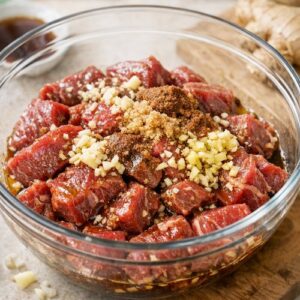
- In a large bowl, combine your beef chunks with 2 cloves of minced garlic, the fresh ginger, fish sauce, five-spice powder, and brown sugar. This marinade doesn't just add flavor—it begins breaking down the meat's proteins, creating a more tender final result after hours of slow cooking. Make sure every piece of beef gets coated evenly; I use my hands for this, making sure the marinade reaches into the nooks and crevices. Let this sit at room temperature for 30 minutes. Don't skip this step, and don't marinate for longer than an hour or the fish sauce will make the exterior mushy. This is the sweet spot that gives you maximum benefit without degradation.
Step 2: Build Your Aromatic Base (Creating Complexity)
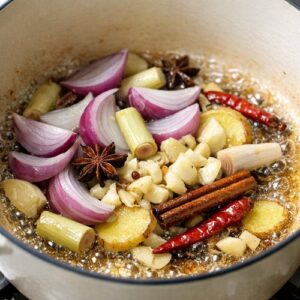
- Heat 3 tablespoons of neutral oil in a large Dutch oven or heavy-bottomed pot over medium-high heat. Once it shimmers—and this is important, wait for the shimmers, don't start cooking when it's just warm—add the 3-inch lemongrass stalks. Let them sit in the hot oil for exactly one minute. You'll hear them crackle slightly, and the whole kitchen will smell like a Vietnamese market in the best way possible. Now add the minced lemongrass and the remaining 6 cloves of garlic. Cook for 2 minutes, stirring frequently, until the raw garlic smell transforms into something sweet and mellow. This technique, called blooming spices and aromatics, releases their essential oils and distributes flavor more evenly throughout the finished dish. It's the difference between flavors you taste and flavors you feel.
Step 3: Cook the Onions (Developing Natural Sweetness)
- Add the sliced onions to the pot and cook, stirring occasionally, for 4-5 minutes until they become translucent and begin to soften. You're not looking for caramelization here—that comes later. You want them to release their natural juices and become tender enough to break down further during the long simmer. If the bottom of the pot starts to stick, that's actually good—those browned bits are flavor waiting to be incorporated. You'll deglaze later.

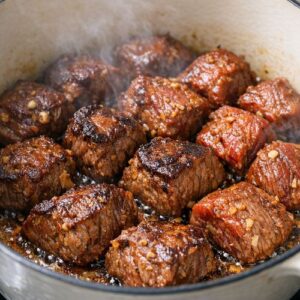
Step 4: Brown the Beef (The Maillard Reaction)
- Increase heat to high and add all of your marinated beef to the pot. Don't stir it immediately—let each piece sit on the hot surface for 2-3 minutes to develop a brown crust. This isn't about cooking it through; it's about creating flavor through browning. Once that side is deeply colored, stir and brown the other sides, working in batches if needed so you're not overcrowding the pan. This step takes about 8-10 minutes total. You're looking for rich brown color on most surfaces, not gray, which would indicate steaming rather than browning.
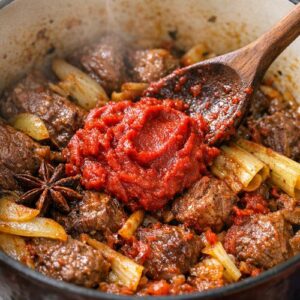
Step 5: Add the Tomato Paste (Building Umami)
- Add 4 tablespoons of tomato paste directly to the beef and aromatics. Stir well, making sure it coats the beef and vegetables. Cook uncovered for 5 minutes, stirring occasionally. Tomato paste contains glutamates, which amplify umami—that savory satisfaction that makes you want another spoonful. Cooking it in the hot pot concentrates these compounds further.
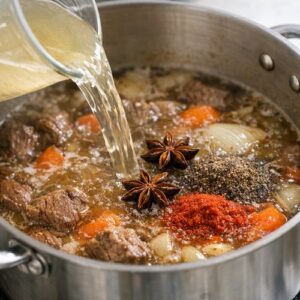
Step 6: Add Your Liquids and Spices (The Transformation)
- Pour in the 8 cups of water or beef broth and the 2 cups of coconut water. Add the 2 star anise pods, 1 teaspoon ground black pepper, 1 teaspoon chili powder, 1 teaspoon ground annatto (if using), and 1 tablespoon paprika. Stir thoroughly until everything is incorporated. Bring this mixture to a boil over high heat—you want to see rolling, active boiling for about 2 minutes. This serves two purposes: it kills any bacteria on the beef and it helps the ingredients begin to meld. Then reduce the heat to medium-low, place the lid on your pot, and let it simmer. This is where patience becomes the secret ingredient. Set a timer for 1 hour. Resist the urge to peek constantly; each time you open the pot, you release steam and extend cooking time.
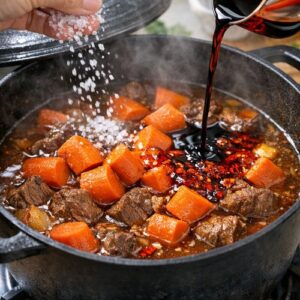
Step 7: Add the Vegetables and Finishing Seasonings (Completing the Dish)
- After exactly 1 hour, carefully remove the lid and add the carrot chunks, 1 teaspoon sea salt, 3 tablespoons soy sauce, and 3 tablespoons chili oil. Stir gently to distribute. The carrots will cook in the remaining 40 minutes, becoming tender but not mushy. Return the lid and continue simmering for 40 more minutes. During this time, the beef will have transformed from firm to impossibly tender, breaking apart with just a spoon. The broth will have taken on a deeper color and richer flavor from all the dissolved collagen and aromatics. Taste the stew. If it needs more depth, add a bit more fish sauce (½ teaspoon at a time). If it needs more heat, add more chili oil. This is your stew—make it taste like what you love.
Step 8: The Final Presentation (Theater and Flavor)
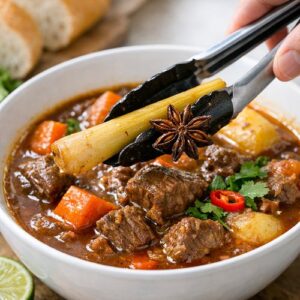
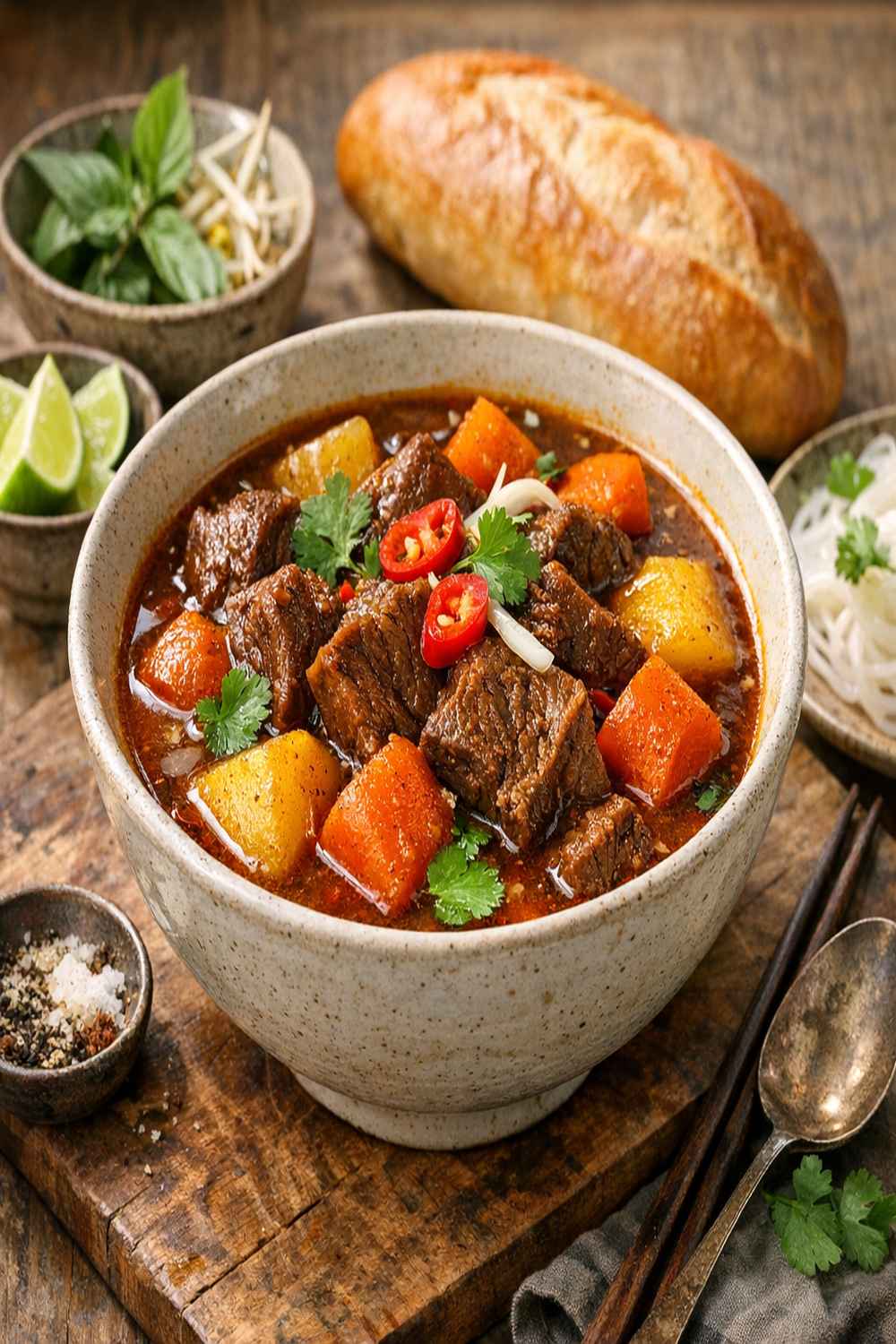
- Using tongs or a slotted spoon, fish out the large lemongrass stalks and any star anise pods you can locate. These aren't meant to be eaten, and finding a whole star anise pod with your teeth isn't a pleasant surprise. Cook your noodles separately according to package directions. For wide rice noodles, usually 4-5 minutes in boiling water. For egg noodles, typically 7-8 minutes. Drain them well and divide among your serving bowls. Ladle the hot stew generously over the noodles, making sure each bowl gets plenty of beef, carrots, and broth. Finish each bowl with a small handful of fresh cilantro, a sprinkle of thinly sliced Thai basil, and a modest pile of raw onion slices. Set a lime wedge on the rim of the bowl. Serve immediately. The fresh herbs will wilt slightly from the heat, releasing their aromatics directly into the steam rising from the bowl. This final touch is what separates casual stew from restaurant-quality Bo Kho.