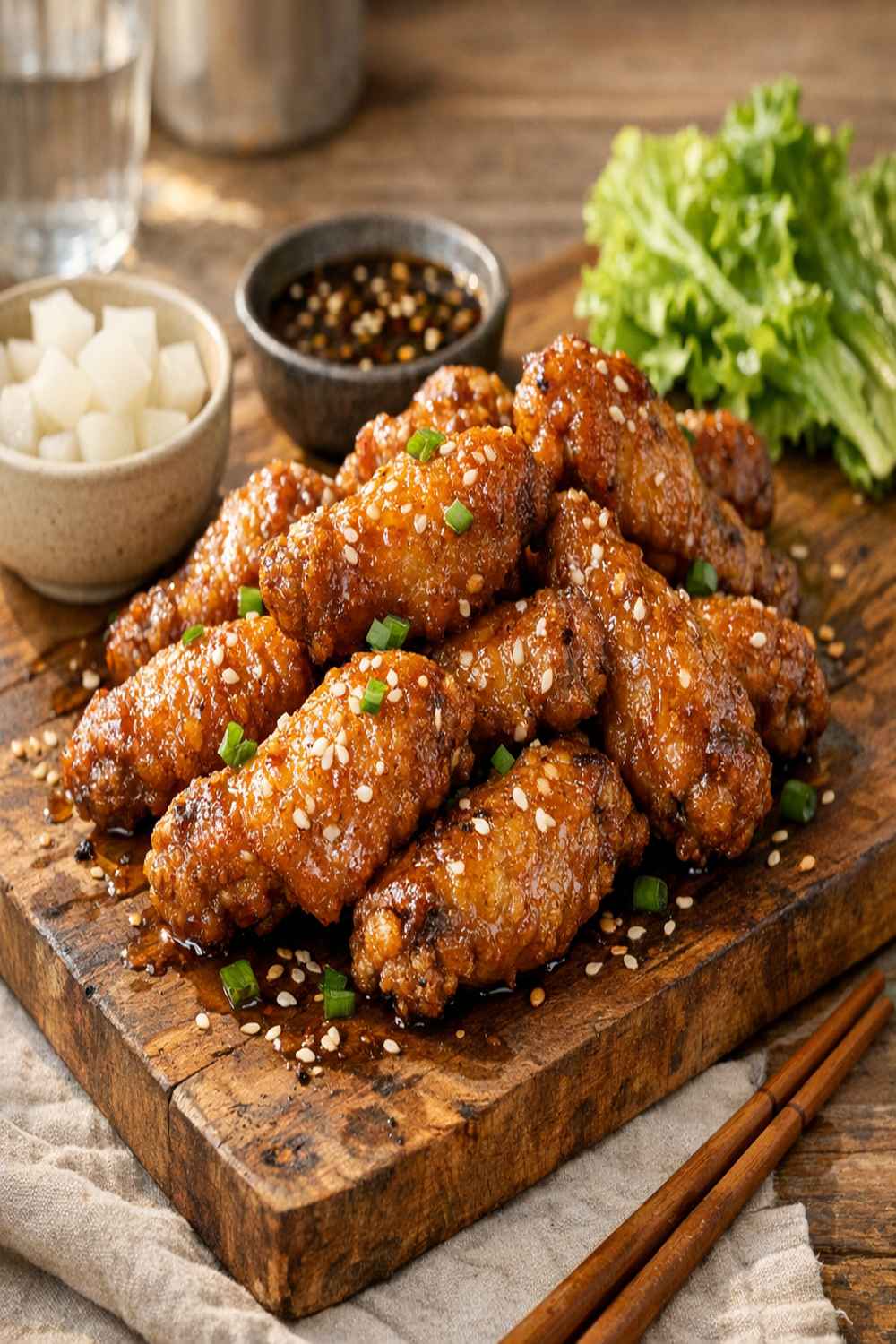

Method
Step 1: Season and Coat Your Chicken Wings
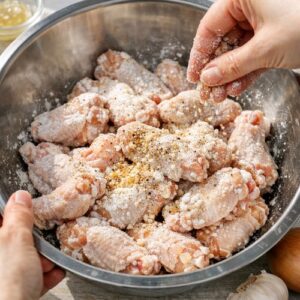
- Pat your chicken wings completely dry with paper towels. Moisture is the enemy of a good crust, so don't skip this. In a large bowl, combine 2 cups cornstarch with the garlic powder, and season generously with salt and pepper. The garlic powder here is your dry-crust ally—it will caramelize alongside the chicken's natural sugars, creating that restaurant-quality exterior that holds the glaze. Working with a handful of wings at a time, toss them in the cornstarch mixture, ensuring every surface is evenly coated. This isn't a flour dredging situation—cornstarch creates a lighter, crispier crust that won't become gummy as it sits in the glaze. Set the coated wings on a wire rack for 10 minutes. This resting period lets the coating set and adhere better.
Step 2: Fry with Precision for Perfect Texture
- Heat neutral oil to 350°F in a heavy-bottomed pot or wok. The temperature is crucial here—too low and you get greasy wings; too high and the coating burns before the meat cooks through. Working in batches to avoid overcrowding (which drops the oil temperature), carefully lower your coated wings into the hot oil. Fry for 12-14 minutes, turning occasionally so both sides cook evenly and develop a light golden-brown color. You're looking for that perfect moment where the coating is crispy and the internal temperature reaches 165°F—not a degree more. When they're done, transfer the wings to a wire rack lined with paper towels. The wire rack is essential here because it allows air circulation underneath, preventing the bottoms from steaming. Never just pile them on paper towels.

Step 3: Prepare Your Garlic-Forward Glaze
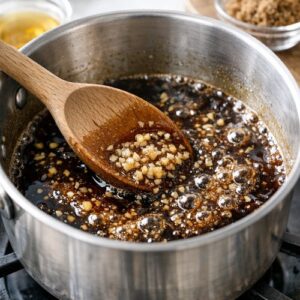
- While your wings are frying, this is where the magic happens. In a medium saucepan over medium-low heat, combine your light soy sauce, mirin, and brown sugar. Stir gently until the sugar dissolves, about 2 minutes. Now add your minced fresh garlic and chopped red onion. This is the critical moment. Let this simmer gently for 5-7 minutes, stirring occasionally. You want the garlic to soften and its edges to just barely begin turning golden. The aroma will become noticeably sweeter and less sharp. If you're cooking too fast over high heat, the garlic will smell harsh and bite-y. You're looking for that sweet, mellow fragrance that tells you the garlic's sulfur compounds have transformed into something gentle and sweet. Add the ginger powder and the ½ teaspoon cornstarch (mixed with 1 tablespoon water to make a slurry), stirring until the glaze thickens slightly, about 1 minute. It should coat the back of a spoon but still flow freely.
Step 4: Toss Wings in the Glaze
- Remove your glaze from heat. In a large bowl, combine your hot, crispy wings with the warm glaze, tossing gently but thoroughly. Every wing should be coated, but work quickly so the wings stay crispy. The heat from the wings will warm the glaze without breaking down its delicate texture, and the fresh garlic flavor will penetrate the crispy coating. Transfer to a serving platter and immediately garnish with white sesame seeds and fresh chives. The chives especially are important—their bright, fresh bite prevents the dish from becoming too heavy and cuts through the richness of the glaze beautifully.