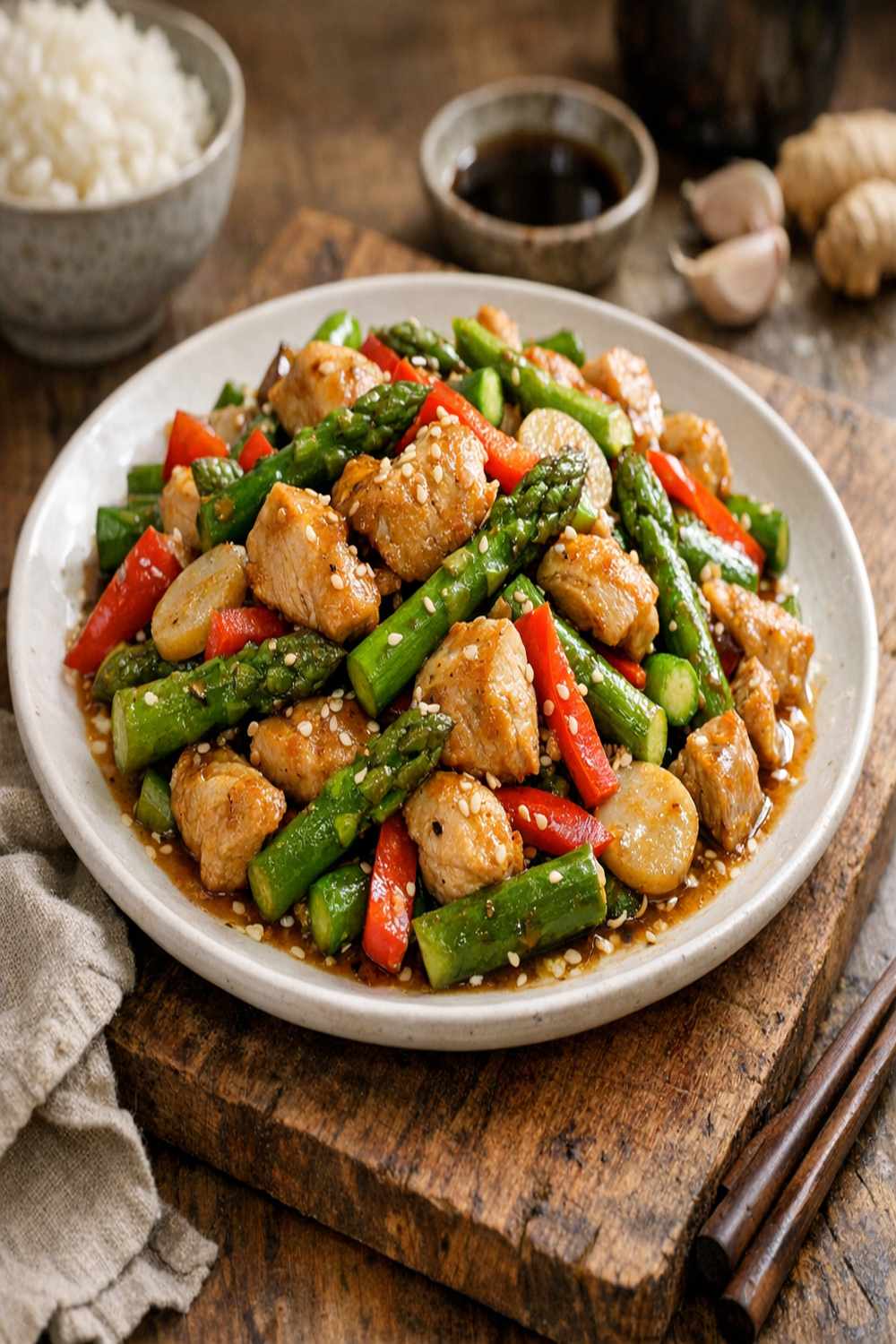

Ingredients
Method
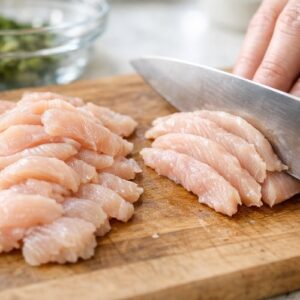
Step 1: Prepare Your Chicken and Create the Marinade
- Slice your chicken breast against the grain into thin pieces—roughly ¼-inch thick. This matters more than most people realize. Grain direction determines whether your finished chicken feels tender or tough. In a medium bowl, combine the sliced chicken with 1 tablespoon water, 1 teaspoon cornstarch, 1 tablespoon neutral oil, and 1 teaspoon oyster sauce. Mix until the chicken is evenly coated and the liquid absorbs into the meat. Don't skip this step—this is the velveting technique that keeps lean protein from becoming tough under high heat. Set the marinating chicken aside for 15 to 30 minutes. If you're in a rush, even 10 minutes helps. This resting time allows the cornstarch to fully coat the protein and start its protective work. From a nutritional standpoint, this marinade is doing something brilliant: we're achieving the tender texture that usually requires higher-fat cuts, but we're doing it with lean poultry. That's efficient nutrition.
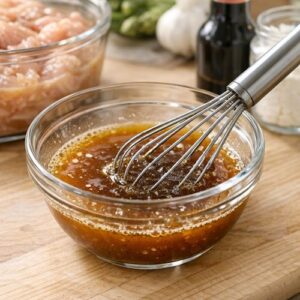
Step 2: Mix Your Sauce Components While Chicken Marinates
- While the chicken rests, whisk together your sauce in a small bowl: ½ cup chicken stock, 2 teaspoons cornstarch, 1 tablespoon light soy sauce, 1 tablespoon oyster sauce, ¼ teaspoon sesame oil, ¼ teaspoon white pepper, and ¼ teaspoon sugar. Whisk thoroughly, paying particular attention to the cornstarch—you want no lumps, or your finished sauce will have gritty spots. This is your mise en place for the hot cooking phase, so everything is ready when you need speed.
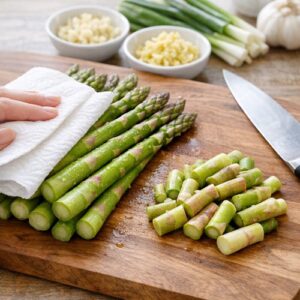
Step 3: Prepare Your Asparagus and Aromatics
- Trim the woody bottom ends of your asparagus—usually about 1 to 2 inches depending on thickness. Rinse and pat dry thoroughly; excess moisture creates steam instead of the high-heat sear we're after. Slice the asparagus on a sharp angle into 2-inch pieces. This bias cut creates more surface area for caramelization and looks more refined on the plate than straight cuts. Mince your garlic fine. Have your Shaoxing wine measured and ready.
Step 4: Heat Your Wok and Sear the Chicken
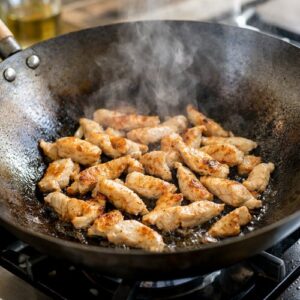
- This is the moment where hesitation costs you. Place your wok (or large skillet if you don't have a wok) over high heat and let it preheat for 2 to 3 minutes. You're looking for the surface to just barely start smoking—this temperature is critical for proper searing. Add 1 tablespoon of neutral oil and immediately spread the chicken in a single layer. Now resist the urge to stir. Let the chicken sit undisturbed for 30 seconds. This is where the Maillard reaction—that beautiful browning that creates flavor—happens. After 30 seconds, stir and cook for another 30 seconds. The chicken should be about 75 percent cooked at this point; it will finish cooking when we add the sauce. Remove the chicken to a clean plate.
Step 5: Cook the Aromatics and Asparagus
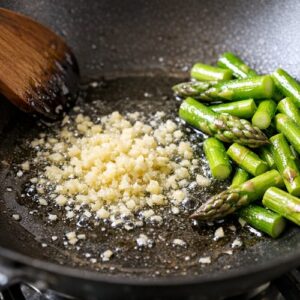
- Add the remaining 1 tablespoon of oil to your wok along with the minced garlic. Cook for 15 seconds—we're not trying to brown garlic here, just wake up its aromatic compounds. Immediately add your asparagus pieces and stir-fry for 1 minute. You want some color on the asparagus, some slight browning at the tips, but maintain that crisp-tender quality. Add the Shaoxing wine and stir for another 30 seconds, letting the alcohol cook off.
Step 6: Create the Sauce and Bring It Together
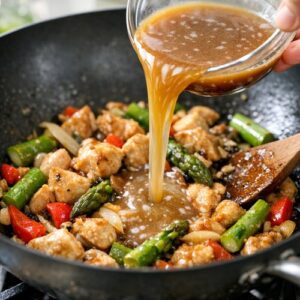
- Give your sauce mixture a final whisk to ensure the cornstarch is fully suspended—you'll see it look slightly opaque. Pour the sauce into the wok with the asparagus and stir gently. The sauce will come to a simmer within 30 to 45 seconds. This is the starch beginning to gelatinize and thicken the liquid into something silky. Return the chicken to the wok and stir gently for another 30 seconds, just until everything is combined and the chicken finishes cooking. The entire process from hot oil to plated dish should take about 15 to 18 minutes. The sauce should coat the back of a spoon—that's your visual cue for proper thickness. Taste and add salt if needed, though the soy and oyster sauces usually provide sufficient seasoning.
Notes
- Overcrowding the Wok - Putting all ingredients in at once creates steam instead of sear. Each component gets its moment. Patience here is what separates home cooking from restaurant cooking.
- Using Cold Sauce - Adding cold sauce to a hot wok causes temperature shock and breaks the silky texture. The sauce should be at room temperature before it hits the heat, which is why mixing it ahead matters.
- Skipping the Chicken Marinade - Some cooks see this as an extra step and skip it. This is where the difference between tough and tender happens. The 15 minutes of marinating is non-negotiable.
- Not Preparing Ingredients First - Stir frying moves faster than most home cooks expect. If you're still slicing asparagus when your chicken is in the wok, you've already lost texture and timing. Prep everything, then cook.