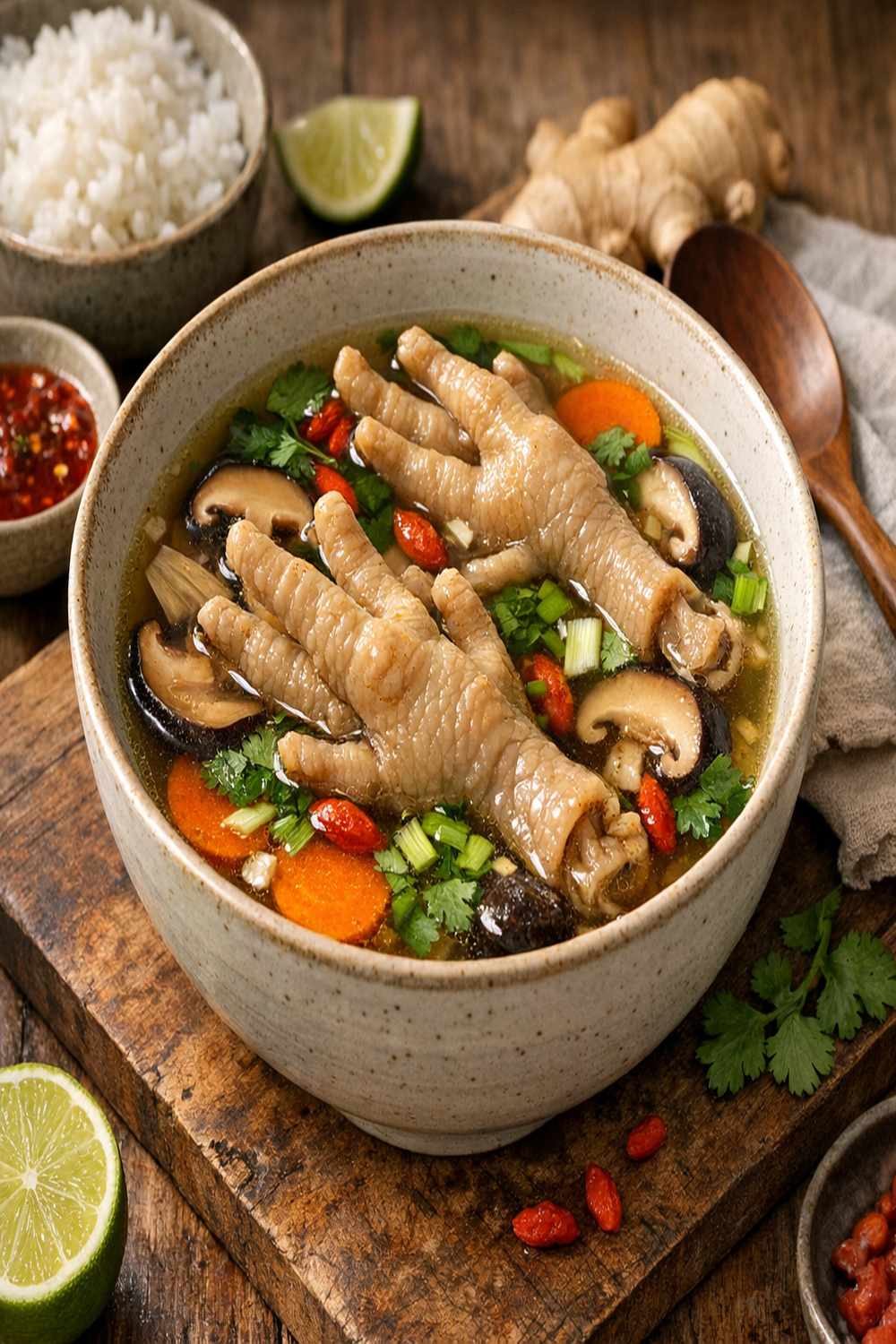

Ingredients
Method
Step 1: Prepare and Clean the Chicken Feet
- Start by trimming any remaining nail tips from the feet using kitchen shears or a sharp knife—this takes two minutes and makes a world of difference in the finished texture. Don't skip this step; no one wants to bite into a nail mid-spoonful. Rinse the feet thoroughly under cold running water, rubbing them with your fingers to remove any debris or residual feathers. Some cooks blanch them briefly (one minute in boiling water) to remove outer skin, but I skip this step to preserve the collagen that makes this broth so valuable. Pat them dry with a paper towel—this helps them brown properly when they hit the hot oil.

Step 2: Prepare All Vegetables (Mise en Place)
- Chop your onion finely, mince your garlic, and dice your celery. Strip fresh thyme leaves from their woody stems—the stems can go into the pot for extra flavor but remove them before serving. Chop your green onions into manageable pieces. Cut your pumpkin and potatoes into bite-sized pieces (about three-quarter-inch cubes; larger pieces take longer to cook and waste your fuel). Slice carrots into half-inch rounds. Cut corn kernels from the cob, or grab frozen kernels if fresh isn't available. Doing this prep now means your soup comes together without panic and you won't accidentally overcook anything while you're still chopping.
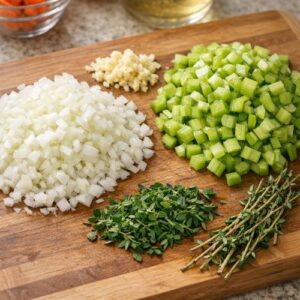
Step 3: Build Flavor in the Base
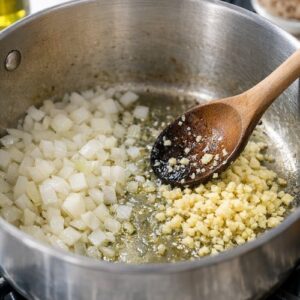
- Heat your cooking oil in a large, heavy-bottomed pot over medium-high heat—you want it shimmering but not smoking. Add your chopped onion, minced garlic, and fresh thyme leaves. Stir constantly for just 1–2 minutes until the kitchen fills with aroma. This brief sauté awakens the garlic's natural sulfur compounds and softens the onion's bite. Now add your diced celery and green onions; cook for another minute, stirring. You're not trying to brown anything here—you're releasing aromatics and creating a flavorful foundation. Low-and-slow is the rule; rushing this step wastes all the flavor work.
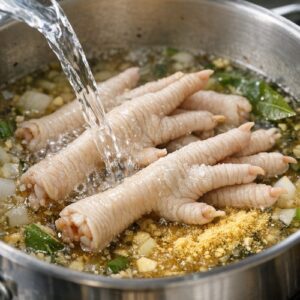
Step 4: Introduce the Chicken Feet and Begin Extraction
- Add your cleaned, dried chicken feet directly to the aromatic base. Pour in 1 cup of your water and add the chicken bouillon powder. Season with salt and pepper to your initial taste (you can adjust later). Stir everything together and increase heat to bring the mixture to a rolling boil. Let it boil hard for about 5 minutes—this initial aggressive heat helps release collagen and gelatin from the bones and connective tissue into the broth. You'll notice the liquid may look slightly cloudy; that's the good stuff extracting. If you're using the whole scotch bonnet pepper for heat, add it now.
Step 5: Lower Heat and Build the Broth (The Long Simmer Begins)
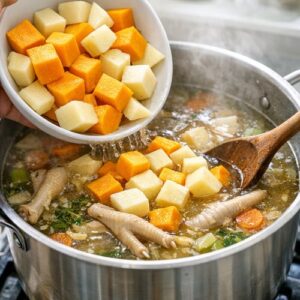
- Reduce heat to a gentle simmer. Pour in the remaining 4 cups of water (or stock). Now add your pumpkin and potatoes. Stir the pot gently—you're not trying to break the vegetables apart. Let this simmer for 25–30 minutes, stirring occasionally and tasting for seasoning. The longer you simmer, the more collagen transfers from the feet into the broth, creating that silky mouthfeel that restaurants charge premium prices for. This is where time becomes your cheapest ingredient.
Step 6: Finish With Final Vegetables
- About 10 minutes before you plan to serve, add your sliced carrots and corn kernels. Stir gently and continue simmering until these vegetables are completely tender but not falling apart—about 8–10 minutes. The timing matters because carrots and corn cook faster than pumpkin and potato; adding them earlier would result in mushy, flavorless vegetables. Taste the broth and adjust salt and pepper as needed. If the scotch bonnet pepper is still in the pot and you've reached your desired heat level, remove it.

Step 7: Serve Hot
- Ladle the soup into deep bowls. Serve with crusty bread, cornbread, or rice to soak up every ounce of that golden broth. The true joy of this soup is the way the gelatinous broth coats your mouth and throat—that's nourishment you can feel happening.

Notes
- Buy chicken feet at an Asian market or specialty butcher, not a conventional supermarket - Prices are 30–40% lower, and quality is higher because these markets understand the product. Markets in Worcester's Southeast Asian communities often sell them for $1.50/pound versus $3.00+ elsewhere.
- Purchase pumpkin in autumn when prices drop, then freeze it in portions - Fall sales bring the price down to $0.60–$0.80 per pound. Buy extra, roast, purée, and freeze in ice cube trays. You'll have supply all winter at a fraction of the cost.
- Grow fresh thyme in a small pot on your windowsill - One $4 plant produces enough for months of cooking, paying for itself in a single recipe. This is the ingredient where I splurge on quality—fresh thyme tastes infinitely better than dried.
- Buy carrots, potatoes, and onions in bulk at warehouse stores - These vegetables are loss leaders. Five-pound bags cost 40% less per pound than individual selections.
- Make your own chicken bouillon by simmering bones - If you're making this regularly, keep a container of homemade stock concentrate in your freezer. It costs nothing if you're already buying whole chickens.