Chicken Feet Soup Recipe
This post contains affiliate links. As an Amazon Associate I earn from qualifying purchases.
This bowl looks and tastes like something you’d order at a Caribbean restaurant for $18, yet the ingredients cost under $9. I’m Willie Regan, and I’ve spent years watching my grandmother coax pure nutrition and soul-warming comfort from the most humble, underutilized ingredients. Chicken feet soup teaches us that the best meals aren’t about expensive proteins—they’re about patience, technique, and understanding which parts of the bird hold the most collagen, minerals, and deep, restorative flavor. Like my grandmother’s approach to Asian Beef Shank Recipe, this is cooking that honors the whole animal while feeding your body and your spirit.
Restaurant-Quality Chicken Feet Soup for Under $9 (No Shortcuts on Flavor)
I remember standing beside my grandmother in her kitchen in Worcester on a cold November afternoon. She pulled a package of chicken feet from the market—ingredient that most people toss into the discard bin—and transformed it into a golden, aromatic broth that filled the entire house with warmth. Her hands moved with certainty: trim the nails, sear the aromatics, let time do the work. That day, she taught me that resourcefulness and nutrition aren’t separate from comfort; they’re the same thing. A proper chicken feet soup builds collagen and gelatin through low-and-slow simmering, creating a broth so nourishing that a single bowl feels like an embrace.
This recipe is about reclaiming ingredients that cost pennies but deliver restaurant-grade results. The gelatinous quality of chicken feet creates a naturally silky mouthfeel that costs nothing to achieve—just time and heat.

The Real Cost Breakdown
Here’s the truth about budget cooking: when you shop smart and choose underutilized cuts, you eat better for less. Let me break down what you’ll spend on this five-serving batch:
- Chicken feet (1 pound) – $1.50 to $2.00 at any regular grocery store or Asian market (often the cheapest protein per pound)
- Cooking oil (2-3 teaspoons) – $0.15 (you’re already buying oil)
- Medium onion – $0.35
- Garlic (1 tablespoon minced) – $0.25
- Fresh thyme (1 tablespoon) – $0.50 (or grow it for free)
- Celery (1 small stalk, diced) – $0.40
- Green onions (1-2) – $0.30
- Chicken bouillon powder (1-2 teaspoons) – $0.20
- Pumpkin (1-2 cups chopped) – $1.00 to $1.50
- Potatoes (1-2 medium) – $0.60
- Carrots (2 medium) – $0.50
- Sweet corn (1 ear, optional) – $0.60
- Water (5 cups) – free
- Scotch bonnet pepper (optional) – $1.00
- Salt and pepper to taste – negligible
Total cost: $8.35 to $9.75 for five generous servings, or approximately $1.67 to $1.95 per bowl. A restaurant charges $16–$22 for this exact experience. You’re looking at an 80–85% savings while controlling every single ingredient that touches your body.
Smart Shopping Tips for This Recipe
- Buy chicken feet at an Asian market or specialty butcher, not a conventional supermarket – Prices are 30–40% lower, and quality is higher because these markets understand the product. Markets in Worcester’s Southeast Asian communities often sell them for $1.50/pound versus $3.00+ elsewhere.
- Purchase pumpkin in autumn when prices drop, then freeze it in portions – Fall sales bring the price down to $0.60–$0.80 per pound. Buy extra, roast, purée, and freeze in ice cube trays. You’ll have supply all winter at a fraction of the cost.
- Grow fresh thyme in a small pot on your windowsill – One $4 plant produces enough for months of cooking, paying for itself in a single recipe. This is the ingredient where I splurge on quality—fresh thyme tastes infinitely better than dried.
- Buy carrots, potatoes, and onions in bulk at warehouse stores – These vegetables are loss leaders. Five-pound bags cost 40% less per pound than individual selections.
- Make your own chicken bouillon by simmering bones – If you’re making this regularly, keep a container of homemade stock concentrate in your freezer. It costs nothing if you’re already buying whole chickens.
The Ingredients
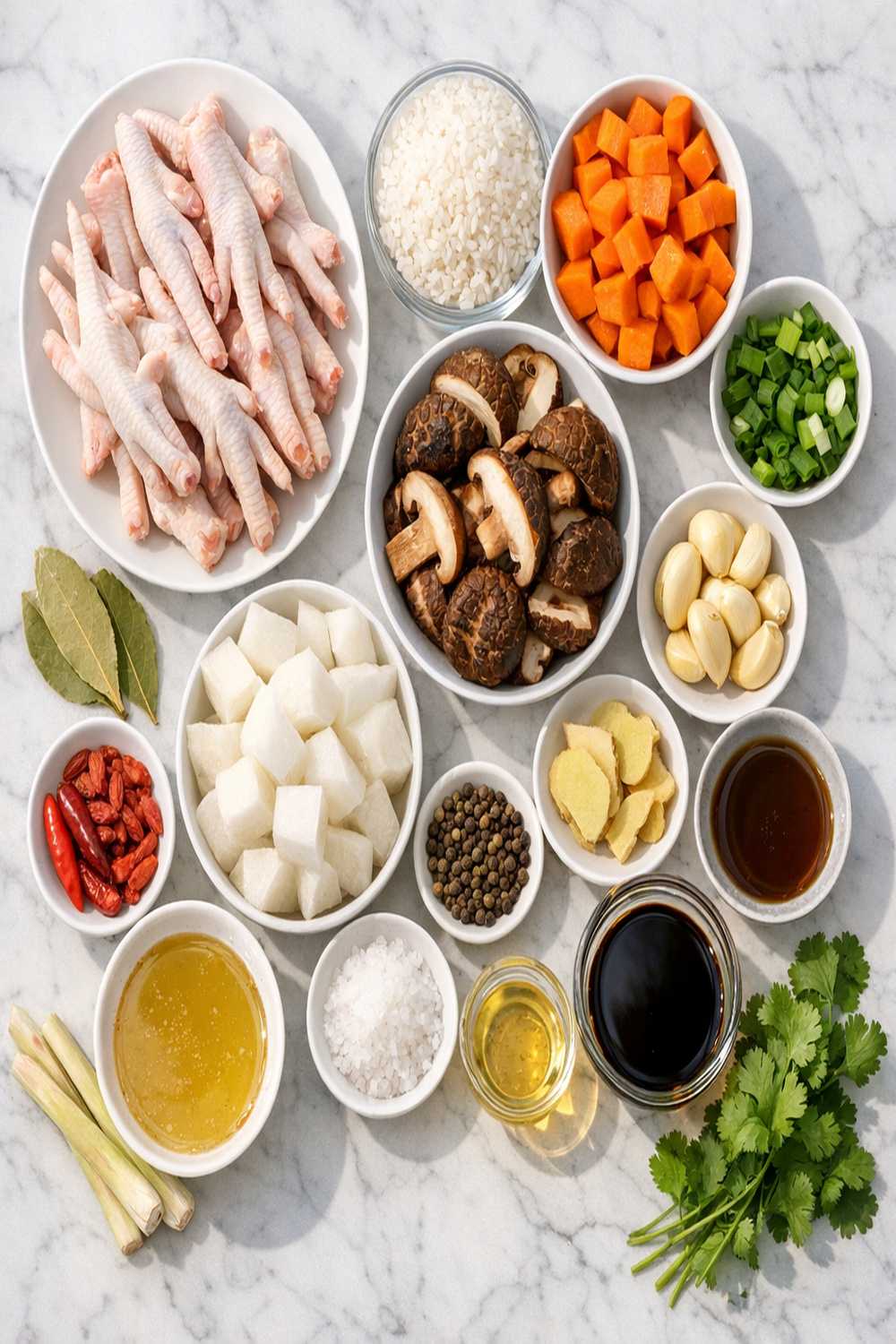
Every ingredient in this soup earns its presence and its cost. There’s no filler here—just whole foods that work together to create something greater than their individual parts. This is how my grandmother approached every meal: intentional, nourishing, and respectful of both your budget and your body.
- 1 medium yellow onion (finely chopped into uniform pieces)
- 1-2 medium waxy potatoes (cut into three-quarter-inch cubes)
- 1 small celery stalk (diced into quarter-inch pieces)
- 1-2 green onions (chopped into two-inch lengths)
- Salt and ground black pepper (to your taste preference)
- 1 scotch bonnet pepper or habanero (whole, optional, for gentle heat)
- 5 cups water (or low-sodium chicken stock for deeper flavor)
- 1 pound chicken feet (nail tips removed, cleaned thoroughly)
- 1 tablespoon fresh garlic (minced finely, not from a jar)
- 1-2 cups fresh pumpkin flesh (cut into one-inch cubes)
- 2 medium carrots (sliced into rounds, about half-inch thick)
- 1 ear fresh sweet corn (kernels cut from cob, or frozen kernels)
- 1 tablespoon fresh thyme leaves (stripped from stems, not dried)
- 1 to 2 teaspoons chicken bouillon powder (or one cube dissolved)
- 2-3 teaspoons neutral cooking oil (vegetable, canola, or light olive oil)
Yield: 5 generous servings, approximately 2 cups per bowl
How to Make Chicken Feet Soup Recipe Without Breaking the Bank
This method isn’t a compromise—it’s the correct way to build a silky, restorative broth. Every step has a reason rooted in both nutrition and technique. My grandmother taught me that the cheapest ingredients often demand the most attention. That’s where their magic lives.
Step 1: Prepare and Clean the Chicken Feet
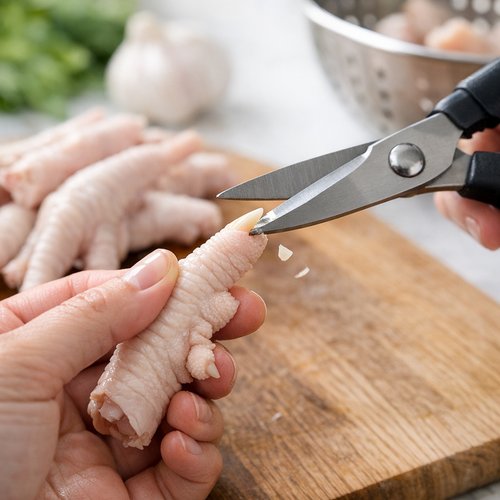
Start by trimming any remaining nail tips from the feet using kitchen shears or a sharp knife—this takes two minutes and makes a world of difference in the finished texture. Don’t skip this step; no one wants to bite into a nail mid-spoonful. Rinse the feet thoroughly under cold running water, rubbing them with your fingers to remove any debris or residual feathers. Some cooks blanch them briefly (one minute in boiling water) to remove outer skin, but I skip this step to preserve the collagen that makes this broth so valuable. Pat them dry with a paper towel—this helps them brown properly when they hit the hot oil.
Step 2: Prepare All Vegetables (Mise en Place)
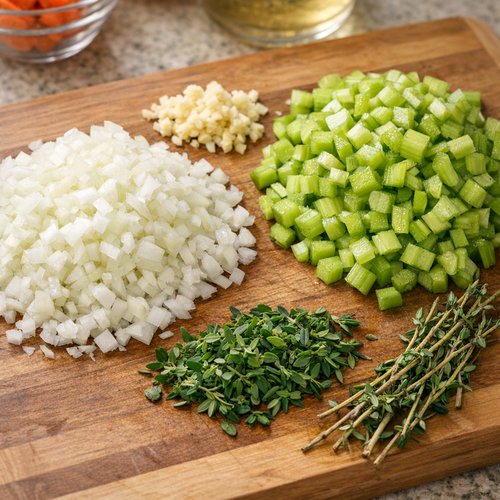
Chop your onion finely, mince your garlic, and dice your celery. Strip fresh thyme leaves from their woody stems—the stems can go into the pot for extra flavor but remove them before serving. Chop your green onions into manageable pieces. Cut your pumpkin and potatoes into bite-sized pieces (about three-quarter-inch cubes; larger pieces take longer to cook and waste your fuel). Slice carrots into half-inch rounds. Cut corn kernels from the cob, or grab frozen kernels if fresh isn’t available. Doing this prep now means your soup comes together without panic and you won’t accidentally overcook anything while you’re still chopping.
Step 3: Build Flavor in the Base
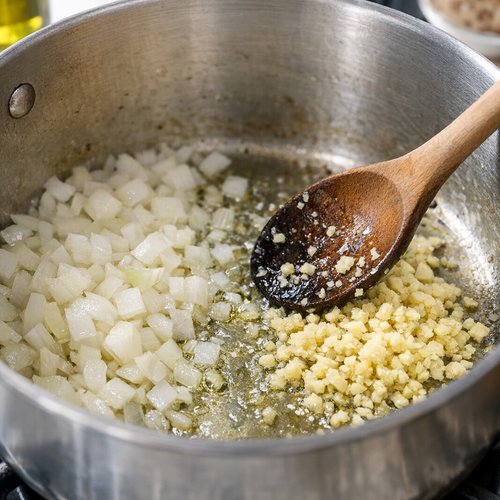
Heat your cooking oil in a large, heavy-bottomed pot over medium-high heat—you want it shimmering but not smoking. Add your chopped onion, minced garlic, and fresh thyme leaves. Stir constantly for just 1–2 minutes until the kitchen fills with aroma. This brief sauté awakens the garlic’s natural sulfur compounds and softens the onion’s bite. Now add your diced celery and green onions; cook for another minute, stirring. You’re not trying to brown anything here—you’re releasing aromatics and creating a flavorful foundation. Low-and-slow is the rule; rushing this step wastes all the flavor work.
Step 4: Introduce the Chicken Feet and Begin Extraction
Add your cleaned, dried chicken feet directly to the aromatic base. Pour in 1 cup of your water and add the chicken bouillon powder. Season with salt and pepper to your initial taste (you can adjust later). Stir everything together and increase heat to bring the mixture to a rolling boil. Let it boil hard for about 5 minutes—this initial aggressive heat helps release collagen and gelatin from the bones and connective tissue into the broth. You’ll notice the liquid may look slightly cloudy; that’s the good stuff extracting. If you’re using the whole scotch bonnet pepper for heat, add it now.

Step 5: Lower Heat and Build the Broth (The Long Simmer Begins)
Reduce heat to a gentle simmer. Pour in the remaining 4 cups of water (or stock). Now add your pumpkin and potatoes. Stir the pot gently—you’re not trying to break the vegetables apart. Let this simmer for 25–30 minutes, stirring occasionally and tasting for seasoning. The longer you simmer, the more collagen transfers from the feet into the broth, creating that silky mouthfeel that restaurants charge premium prices for. This is where time becomes your cheapest ingredient.
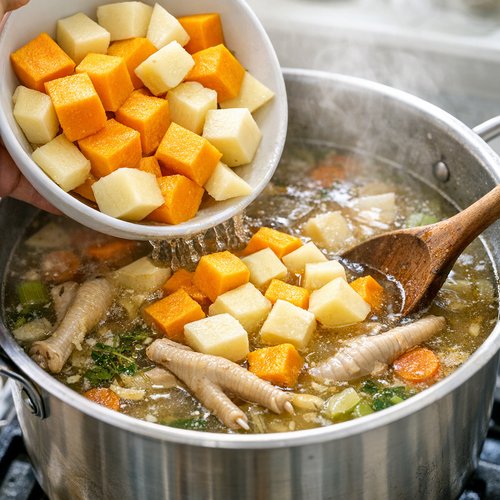
Step 6: Finish With Final Vegetables
About 10 minutes before you plan to serve, add your sliced carrots and corn kernels. Stir gently and continue simmering until these vegetables are completely tender but not falling apart—about 8–10 minutes. The timing matters because carrots and corn cook faster than pumpkin and potato; adding them earlier would result in mushy, flavorless vegetables. Taste the broth and adjust salt and pepper as needed. If the scotch bonnet pepper is still in the pot and you’ve reached your desired heat level, remove it.

Step 7: Serve Hot
Ladle the soup into deep bowls. Serve with crusty bread, cornbread, or rice to soak up every ounce of that golden broth. The true joy of this soup is the way the gelatinous broth coats your mouth and throat—that’s nourishment you can feel happening.

Expert’s Nutritional Insight: The Collagen Story
As a registered dietitian, I’ve spent years studying how traditional cooking methods align with modern nutritional science. Chicken feet contain roughly 5–7 grams of collagen per 100 grams, plus glycine and proline—amino acids your body uses to build and repair connective tissue, skin, and gut lining. When you simmer chicken feet for 25–30 minutes, that collagen converts to gelatin, becoming bioavailable—meaning your body can actually absorb and use it. This isn’t hype; this is basic biochemistry that your grandmother understood intuitively. One serving of this soup provides approximately 8–10 grams of usable gelatin plus minerals like calcium, magnesium, and phosphorus that leach from the bones. That’s why this broth feels healing; it actually is.
How to Stretch This Recipe Further
- Double the broth, halve the solids – Make the same aromatics and feet base, but add 8 cups of water instead of 5. After the vegetables cook, strain them out (eat them as a side), and you’ve got 10 cups of pure, collagen-rich broth. Freeze it in ice cube trays for future use as a cooking base. One batch feeds 10 people instead of 5.
- Transform leftovers into a second meal – Leftover soup becomes the base for a rice bowl or grain soup. Add cooked rice, quinoa, or farro to the remaining broth. It stretches the meal and creates an entirely different dish from the same base.
- Freeze in portions and rotate through your month – Make three batches when you have time. Freeze in quart containers. You now have emergency meals ready; chicken feet soup reheats beautifully and tastes even better after flavors marry overnight.
Make-Ahead Guide for Meal Prep Success
Up to 3 days ahead: Clean and trim your chicken feet, storing them in an airtight container in the refrigerator. Chop all vegetables and store in separate containers. This Friday night prep means Wednesday dinner is 45 minutes away instead of two hours.
Make the entire batch ahead: This soup keeps beautifully for up to 4 days in the refrigerator in an airtight container. In fact, flavors deepen after 24 hours. The broth will gel slightly as it cools—that’s the collagen setting. Don’t worry; it melts back to silky when you reheat gently over medium heat.
For freezing: Cool the soup completely before freezing. Ladle into quart-sized freezer containers, leaving half-inch headspace (the broth expands as it freezes). This soup freezes beautifully for up to 3 months. Thaw overnight in the refrigerator, then reheat gently over medium heat until steaming.
Budget Substitutions That Don’t Sacrifice Quality
- Fresh thyme → Dried thyme or fresh oregano – Use half the amount if substituting dried (dried herbs are more concentrated). The flavor shifts slightly—oregano adds Mediterranean warmth instead of thyme’s herbaceous note. Both work; thyme is simply my preference.
- Fresh pumpkin → Canned pumpkin puree – One 15-ounce can equals roughly 1.75 cups. It’s shelf-stable, cheaper than fresh in winter, and saves 15 minutes of roasting. The texture is identical in the finished soup.
- Chicken bouillon powder → Homemade stock or water with extra salt – If you have homemade stock, use it and skip the bouillon. If not, bouillon is the budget hero here at $0.20 versus $4 for quality broth. It’s worth keeping on hand.
- Scotch bonnet pepper → Jalapeño, habanero, or cayenne powder – Scotch bonnets are hot and fruity, but any hot pepper works. A pinch of cayenne (one-eighth teaspoon) provides heat without the fruity note. The soup is delicious either way.
- Fresh corn → Frozen corn kernels – Same nutritional profile, same flavor, lower price, and available year-round. Add frozen kernels in the final 5 minutes of cooking.
Common Mistakes to Avoid When Making Chicken Feet Soup
- Skipping the nail trim – I’ve seen home cooks decide this step is unnecessary to save 60 seconds. It’s not. Biting into a nail is a texture disaster that ruins the entire experience. Trim them.
- Cooking the vegetables too long – Adding all vegetables at the beginning makes pumpkin and potato mushy by the time carrots are tender. Follow the timing: pumpkin and potato for 25–30 minutes, carrots and corn for the final 10. Your texture will be perfect.
- Not adjusting seasoning gradually – Taste three times: after the initial boil, at the 20-minute mark, and before serving. Bouillon powder can be salty; you might need less salt than you think. Season to your preference, not the recipe’s.
- Rushing the initial aromatic sauté – Two minutes on onion, garlic, and thyme seems short, but it’s enough. Racing through this step or extending it beyond three minutes burns the garlic, creating bitterness that’s nearly impossible to correct.
Seasonal Variations That Keep This Recipe Fresh Year-Round
Spring version: Replace pumpkin with 1–2 cups of fresh diced zucchini or yellow squash. Add fresh peas instead of corn. Substitute thyme with fresh tarragon or parsley. The result is brighter and more delicate.
Summer version: Use yellow squash instead of pumpkin, add fresh corn (at peak season, it’s $0.40 per ear), and include fresh basil instead of thyme. This becomes a lighter soup, perfect for warm evenings.
Fall version: This is the version I’ve shared with you—pumpkin, sweet potato instead of regular potato, and thyme. This is the classic. If you find butternut squash on sale, it’s a perfect pumpkin substitute.
Winter version: Keep pumpkin, swap regular carrot for parsnips (earthier flavor), and add a half teaspoon of ground ginger to the aromatic base. This adds warming spice. Parsnips are often cheaper than carrots in winter months.
Can I Store Chicken Feet Soup Recipe?
Yes, and it stores beautifully—better than most soups, actually. The gelatin in the broth acts as a natural preservative and the acidity from vegetables helps extend shelf life.
In the refrigerator: Store in airtight containers for up to 4 days. The broth will gel and turn slightly opaque as it cools; this is entirely normal and desirable. Simply reheat gently over medium heat. Stir occasionally to distribute the collagen evenly.
In the freezer: This soup freezes beautifully for up to 3 months. Ladle into quart containers or freezer bags (laying flat saves space). Thaw overnight in the refrigerator. Reheat over medium heat, stirring occasionally, until steaming. Never microwave broth-based soups if you can avoid it; gentle stove-top heat preserves texture better.
Important: Cool the soup to room temperature before storing. Hot soup in a sealed container can create condensation that promotes bacterial growth. Cool it within two hours of cooking, then refrigerate or freeze immediately.
Nutrition Information
Per serving (one 2-cup bowl, based on USDA nutritional database averages for chicken feet broth with vegetables):
- Calories: 185–220
- Protein: 14–16 grams
- Fat: 6–8 grams (mostly from collagen and bone marrow)
- Carbohydrates: 18–22 grams (from vegetables)
- Fiber: 3–4 grams
- Collagen/Gelatin: 8–10 grams (bioavailable)
- Calcium: 120–150 mg
- Magnesium: 35–45 mg
- Sodium: 650–800 mg (depending on bouillon amount)
What’s remarkable here is the nutritional return on your investment. You’re spending $1.95 and getting 14+ grams of usable protein, minerals that support bone health, and collagen that supports skin, joints, and gut health. A typical bowl of restaurant chicken soup with white meat chicken provides less protein and far less collagen. Your cost per gram of protein is roughly $0.14—lower than nearly any other protein source on the market. This is nutritional efficiency.
What Can I Serve With Chicken Feet Soup Recipe?
This soup is magnificent on its own, but a few simple additions transform it into a complete meal without adding cost:
- Cornbread (homemade costs $1.50 per batch) – The subtle sweetness of cornbread balances the savory broth perfectly. Make a simple batch using cornmeal, flour, an egg, and buttermilk. The carbs complete the meal nutritionally.
- Crusty bread or day-old rolls (buy these discounted at the bakery) – Tear them into pieces and let them soak in the broth. This is the traditional way my grandmother served it.
- Cooked rice added to individual bowls – White, brown, or jasmine rice all work. Add a half-cup per bowl to stretch the soup further and add sustained energy from carbohydrates.
- Fresh lime wedge ($0.25 per lime, split with others) – A squeeze of fresh lime brightens the entire bowl, adding acidity that makes the flavors pop. This is where I splurge slightly—fresh citrus matters.
- Hot sauce or scotch bonnet hot sauce – Let guests customize their heat level. Keep a bottle on the table and serve the soup without the whole pepper for maximum flexibility.
- Green salad with simple vinaigrette – A small side salad with just lettuce, vinegar, and oil costs $1 and provides raw vegetables to balance the cooked warmth of the soup.
This is how you build a complete, nourishing meal without exceeding your budget. Every element is intentional. Nothing is wasted.

Chicken Feet Soup Recipe
Ingredients
Method
- Start by trimming any remaining nail tips from the feet using kitchen shears or a sharp knife—this takes two minutes and makes a world of difference in the finished texture. Don't skip this step; no one wants to bite into a nail mid-spoonful. Rinse the feet thoroughly under cold running water, rubbing them with your fingers to remove any debris or residual feathers. Some cooks blanch them briefly (one minute in boiling water) to remove outer skin, but I skip this step to preserve the collagen that makes this broth so valuable. Pat them dry with a paper towel—this helps them brown properly when they hit the hot oil.

- Chop your onion finely, mince your garlic, and dice your celery. Strip fresh thyme leaves from their woody stems—the stems can go into the pot for extra flavor but remove them before serving. Chop your green onions into manageable pieces. Cut your pumpkin and potatoes into bite-sized pieces (about three-quarter-inch cubes; larger pieces take longer to cook and waste your fuel). Slice carrots into half-inch rounds. Cut corn kernels from the cob, or grab frozen kernels if fresh isn't available. Doing this prep now means your soup comes together without panic and you won't accidentally overcook anything while you're still chopping.
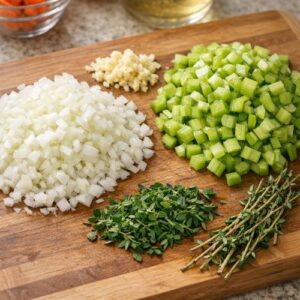
- Heat your cooking oil in a large, heavy-bottomed pot over medium-high heat—you want it shimmering but not smoking. Add your chopped onion, minced garlic, and fresh thyme leaves. Stir constantly for just 1–2 minutes until the kitchen fills with aroma. This brief sauté awakens the garlic's natural sulfur compounds and softens the onion's bite. Now add your diced celery and green onions; cook for another minute, stirring. You're not trying to brown anything here—you're releasing aromatics and creating a flavorful foundation. Low-and-slow is the rule; rushing this step wastes all the flavor work.
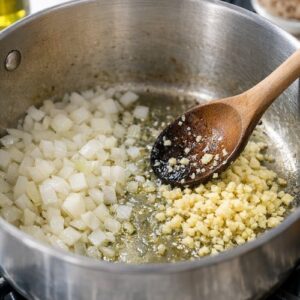
- Add your cleaned, dried chicken feet directly to the aromatic base. Pour in 1 cup of your water and add the chicken bouillon powder. Season with salt and pepper to your initial taste (you can adjust later). Stir everything together and increase heat to bring the mixture to a rolling boil. Let it boil hard for about 5 minutes—this initial aggressive heat helps release collagen and gelatin from the bones and connective tissue into the broth. You'll notice the liquid may look slightly cloudy; that's the good stuff extracting. If you're using the whole scotch bonnet pepper for heat, add it now.

- Reduce heat to a gentle simmer. Pour in the remaining 4 cups of water (or stock). Now add your pumpkin and potatoes. Stir the pot gently—you're not trying to break the vegetables apart. Let this simmer for 25–30 minutes, stirring occasionally and tasting for seasoning. The longer you simmer, the more collagen transfers from the feet into the broth, creating that silky mouthfeel that restaurants charge premium prices for. This is where time becomes your cheapest ingredient.

- About 10 minutes before you plan to serve, add your sliced carrots and corn kernels. Stir gently and continue simmering until these vegetables are completely tender but not falling apart—about 8–10 minutes. The timing matters because carrots and corn cook faster than pumpkin and potato; adding them earlier would result in mushy, flavorless vegetables. Taste the broth and adjust salt and pepper as needed. If the scotch bonnet pepper is still in the pot and you've reached your desired heat level, remove it.

- Ladle the soup into deep bowls. Serve with crusty bread, cornbread, or rice to soak up every ounce of that golden broth. The true joy of this soup is the way the gelatinous broth coats your mouth and throat—that's nourishment you can feel happening.

Notes
FAQs
Why are chicken feet so cheap when they’re this nutritious?
Most Western home cooks consider chicken feet waste—something to discard when buying a whole chicken. This creates an enormous supply with low demand, which means rock-bottom pricing. In many Asian, Latin American, and Caribbean cuisines, chicken feet are a prized ingredient. They’re not cheap because they’re inferior; they’re cheap because Western culture discards them. That’s your advantage. You’re accessing restaurant-quality nutrition at a fraction of restaurant prices simply because you’re willing to use ingredients that others waste.
How do I know if the chicken feet are fresh when I buy them?
Fresh chicken feet should smell like nothing—just neutral chicken smell. They should be pinkish-white or pale yellow, not gray or discolored. Squeeze gently; they should feel firm, not mushy. Buy them from markets with high turnover (Asian markets are ideal because these are popular ingredients there). Ask when they arrived if the market will tell you. Frozen chicken feet are also excellent and cost the same; they thaw overnight in the refrigerator.
Can I use this broth as a cooking base for other dishes?
Absolutely. Strain out the vegetables and feet after cooking (eat the vegetables as a side, discard the feet). You’ve now got pure collagen broth. Use it as a base for risotto, cook grains in it, or make sauces with it. One batch of soup gives you essentially free cooking base for the next week of meals. That’s a 300% multiplier effect on your initial $9 investment.
What if I don’t have fresh thyme? Can I use dried herbs instead?
Yes. Use one-third the amount of dried thyme (about 1 teaspoon instead of 1 tablespoon) because dried herbs are more concentrated. You could also use dried oregano, marjoram, or Italian seasoning. The flavor profile shifts slightly, but the soup remains delicious. Fresh thyme is my preference because it adds a subtle herbaceous note that dried herbs can’t replicate, but dried thyme works fine if that’s what you have.
How spicy will this soup be with the scotch bonnet pepper?
If you add the whole, unbroken scotch bonnet pepper and leave it in the pot, you get a gentle, fruity heat that builds gradually as you eat—no sudden shock. If you split it open, the seeds release and it becomes genuinely hot. If you remove it after 5–10 minutes, the heat is minimal and mostly fruity. Most people can handle it in small amounts. If you’re unsure, leave it out entirely and let guests add hot sauce to their own bowls. Heat is personal; let people control their own experience.
Can I use store-bought rotisserie chicken instead of feet?
You can, but you’ll lose the collagen and gelatin that makes this soup special. Rotisserie chicken meat creates a thinner broth because there’s no bone structure to extract gelatin from. You’d also spend $8–$10 on the chicken alone, eliminating your budget advantage. If you want to use chicken meat, add it at the very end—just five minutes of gentle heating to warm it through, never simmering, or it becomes tough and stringy. But honestly, for this recipe’s budget promise, stick with feet.
More Budget-Friendly Recipes
- Baked Pork Chop Rice Recipe – Another humble cut of meat transformed into restaurant-quality comfort food, teaching you how to cook pork chops in rice for simultaneous grain and protein in a single pan.
- Banh Mi Burger Recipe – Vietnamese-inspired sandwich using budget-friendly ground pork and pickled vegetables, delivering complex flavor at a fraction of restaurant prices.
Conclusion: Eating Well Without Overspending
This is the win I want you to experience: a golden, gelatinous, collagen-rich soup that costs less than two dollars per serving and nourishes your body at a molecular level. No shortcuts. No compromise. Just my grandmother’s wisdom translated through a registered dietitian’s understanding of nutrition. This soup teaches you that expensive ingredients aren’t the path to eating well—knowledge is. Understanding which parts of the animal hold the most nutrition. Knowing how time extracts value from humble ingredients. Recognizing that restaurant prices reflect marketing more than ingredient quality.
Chicken feet soup is proof that the best meals often come from the cheapest ingredients in your market. Make this once. Taste it. Let it sit in your refrigerator and gel into a silky reward for your patience. Then make it again when you need to remember that feeding yourself well doesn’t require wealth, just intention.
Happy Cooking!