
Ingredients
Method
Step 1: Prepare Your Skewers and Workspace
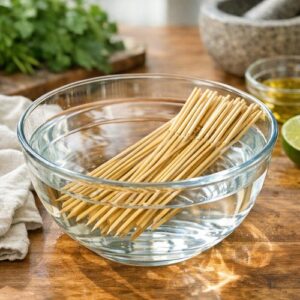
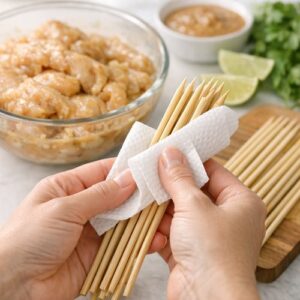
- Begin by placing your bamboo skewers into a large bowl filled with room-temperature water. If you're grilling over charcoal or on an outdoor grill, this soaking period is non-negotiable—it prevents the exposed wooden portions from charring excessively before the meat cooks through. Allow a minimum of 2 hours for proper saturation. This step mirrors how traditional cooks would prepare their tools deliberately before beginning work. While skewers soak, pat your chicken pieces dry with clean paper towels and arrange them on a plate. Dry surfaces brown more effectively during cooking, creating better flavor development through the Maillard reaction.
Step 2: Create the Marinade Base
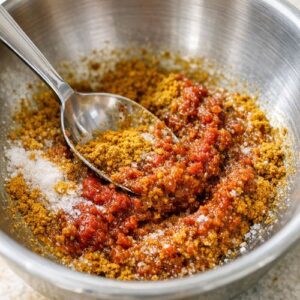
- In a medium mixing bowl, combine the curry powder, red curry paste, white sugar, and fine sea salt. Mix these together thoroughly, breaking up any paste clumps with the back of a spoon. The goal is a uniform, fragrant blend. This mixture should smell warm and inviting—you're awakening the spices and allowing them to meld. Add your prepared chicken pieces to this mixture and use your hands to coat each piece thoroughly. Every surface should contact the spice blend. This isn't about marinating for hours—satay chicken actually benefits from relatively brief marination, usually 30 to 45 minutes. Extended marinating can make the exterior overly salty before the interior absorbs flavor. While chicken marinates, begin preparing your peanut sauce, which actually improves with time to meld flavors.
Step 3: Build Your Peanut Sauce Foundation
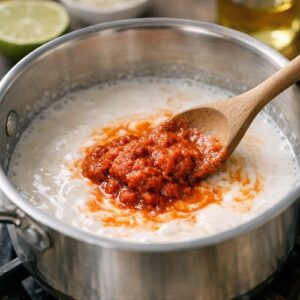
- This is where patience becomes your greatest ingredient. In a medium saucepan over moderate heat, combine the coconut milk and red curry paste. Rather than adding everything at once, pour in about one-quarter of your coconut milk and whisk vigorously to fully incorporate the curry paste before adding the remaining liquid. This prevents the paste from clumping and ensures even flavor distribution throughout the sauce. Let this mixture warm gently—you're not looking for vigorous bubbling, just gentle steaming as aromatics release. Once the coconut and paste are unified, add your natural peanut butter slowly, stirring constantly. The sauce will thicken initially as the peanut butter incorporates, then gradually become creamier as the heat allows the fats to redistribute. This process takes about 5 minutes. You're creating an emulsion—essentially suspending peanut solids and oils in the coconut base.
Step 4: Season and Balance the Sauce
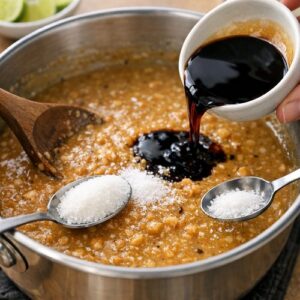
- With your base established, add the dark soy sauce for umami depth, the white sugar for subtle sweetness and balance, and the fine sea salt to taste. Add these ingredients gradually and taste frequently. Every coconut milk brand behaves slightly differently, and your personal preference for sweetness versus saltiness matters. Pour in the apple cider vinegar—this is your brightness, your acid component that makes everything taste more alive. Now comes a crucial step that many recipes skip: add water slowly while stirring, allowing the sauce to reach your preferred consistency. The sauce should coat a spoon but still flow freely. It will thicken slightly as it cools, so aim for something slightly thinner than your target consistency. This sauce should taste balanced—not too sweet, not too spicy, with the peanut flavor prominent but not monotonous. Remember that satay sauce is an accompaniment meant to enhance the grilled chicken's flavor, not overwhelm it. Reduce heat to low and let the sauce simmer gently for 10 to 15 minutes, stirring occasionally. This low-temperature cooking allows flavors to marry and deepens the sauce's complexity. Don't rush this step—it transforms a mixture into a proper sauce.
Step 5: Thread Your Skewers
- Once your chicken has marinated for 30 to 45 minutes and your skewers are fully saturated, remove skewers from water and pat them dry with paper towels. This step prevents excess water from cooling your grill. Taking one skewer at a time, thread the marinated chicken pieces through their centers, spacing them about one-half inch apart. Leave roughly one-third of the skewer bare at each end for safe handling. You should have enough chicken to create 13 to 16 loaded skewers depending on your chicken cube size. Arrange skewers on a clean plate until you're ready to grill. Don't let them sit too long after skewering—the exposed surfaces can begin drying out after about 15 minutes.
Step 6: Grill with Intention
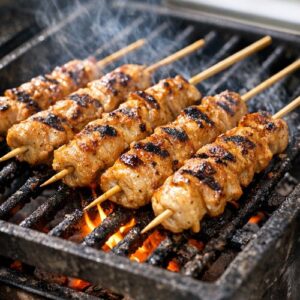
- This is where traditional satay technique truly shines. Whether you're using a charcoal grill, gas grill, or stovetop grill pan, prepare your cooking surface so it reaches a moderate temperature—around 375 to 400 degrees Fahrenheit. The goal is not high-heat searing, but steady, even cooking that allows the chicken to cook through without excessive exterior charring. Place skewers directly on the grill grates with adequate space between them. Let them cook undisturbed for about 4 to 5 minutes before turning. When you turn them, look for light browning and slight charring at the contact points—this is the Maillard reaction creating flavor depth. Turn skewers every 4 to 5 minutes, moving them to different grill sections to ensure even heat exposure. Total cooking time is typically 15 to 20 minutes. The chicken is done when it reaches an internal temperature of 165 degrees Fahrenheit (74 degrees Celsius) at the thickest point. This patient turning and moving prevents any single skewer from cooking too quickly or unevenly. It also allows you to move skewers away from direct heat if they're browning too aggressively. This is the low-and-slow philosophy that keeps chicken juicy.
Step 7: Rest and Serve
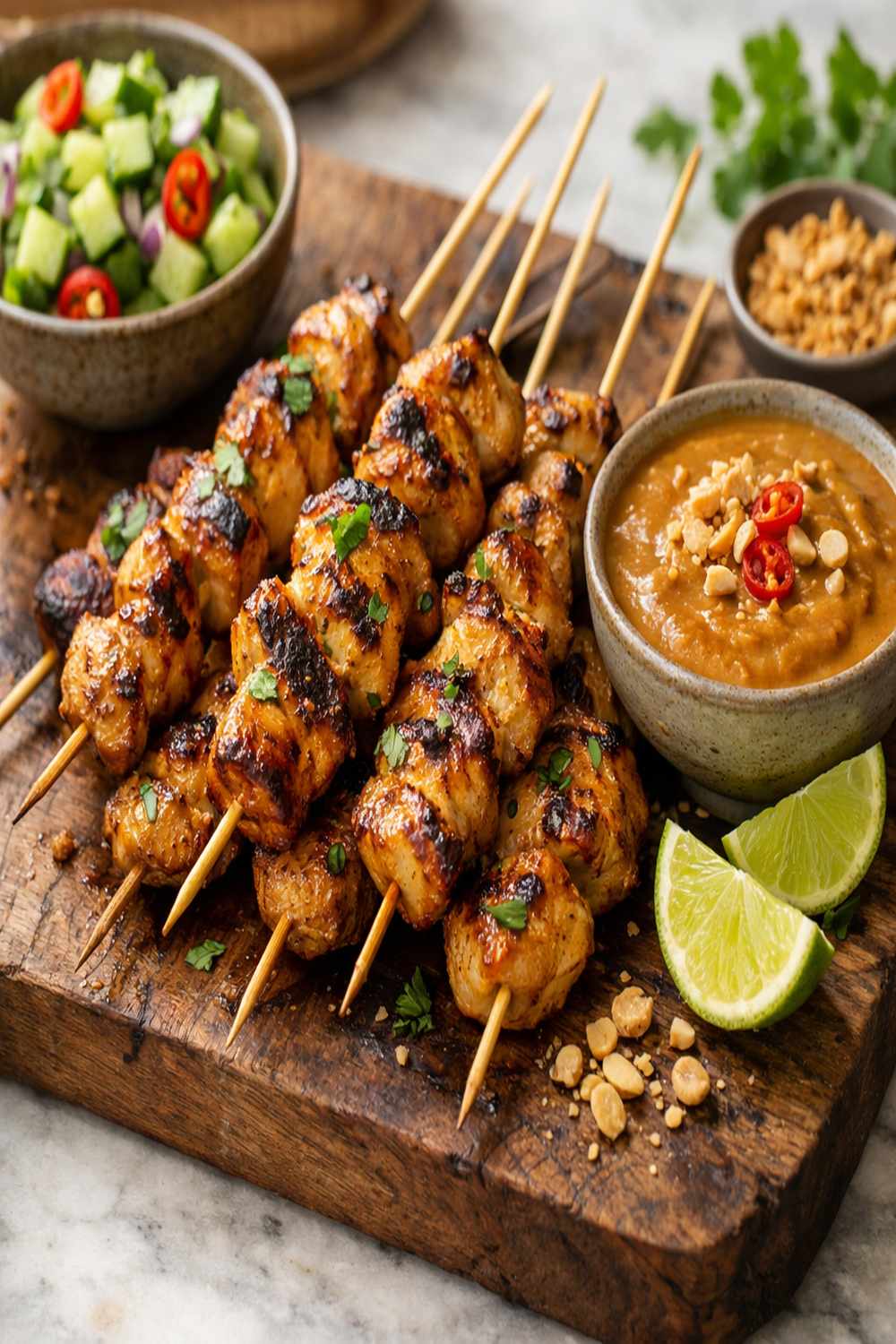
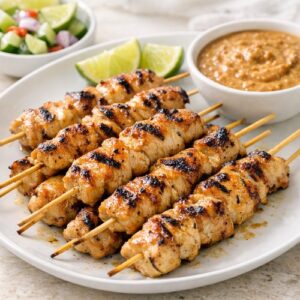
- Once cooked through, transfer your skewers to a clean plate and allow them to rest for 5 minutes before serving. This resting period lets carryover cooking finish gently and allows juices to redistribute throughout the meat. While they rest, give your peanut sauce a final stir. If it has thickened slightly as it cooled, you can add a splash more water to return it to proper consistency. Arrange skewers on a serving platter with small bowls of peanut sauce alongside. Garnish the sauce with finely chopped peanuts, and provide lime wedges for each guest. Fresh cilantro leaves and sliced red chilies can be scattered over the skewers if desired. This presentation honors how satay is traditionally served—simply, with respect for the ingredients' natural flavors.
Notes
- Using chicken breast instead of thighs - I understand the appeal; chicken breast has fewer calories. But satay's entire philosophy depends on keeping chicken juicy through the grilling process. Breast meat simply doesn't have the fat content to survive moderate heat without drying. The extra fat calories are worth the superior texture and flavor. Nutritionally, the difference isn't significant enough to justify the sacrifice in quality.
- Skipping the skewer soaking step - This isn't a pretentious requirement. Unsoaked skewers will char excessively, creating bitter burnt wood flavors that permeate your chicken. The soaking takes literally no active time—just preparation.
- Cooking over too-high heat - High heat creates a charred exterior before the interior cooks through. You'll end up with burnt outsides and undercooked insides. The traditional low-and-slow method exists because it actually works better. Be patient with your grill temperature.
- Making sauce too thick or too thin - This is easily corrected by adding water gradually, but it's worth mentioning because it affects the final dish significantly. The sauce should coat the chicken but flow easily on a plate. If it looks thicker than heavy cream, add water. If it's thinner than half-and-half, simmer longer to reduce.