Chicken Satay Peanut Sauce Recipe
This post contains affiliate links. As an Amazon Associate I earn from qualifying purchases.
I’ll never forget the first time I watched my grandmother slowly simmer a pot of peanut sauce on her old stovetop, the aroma filling our Worcester kitchen like it was a street market in Bangkok. She didn’t have a recipe written down—just her hands, her instincts, and decades of memory woven into every stir. She’d learned this dish years ago, and the way she moved through that kitchen taught me that real cooking isn’t about rushing. It’s about honoring where food comes from. Today, as a registered dietitian, I understand the nutritional wisdom hidden in those slow-cooked traditions, and I’m here to share how you can create this Southeast Asian treasure while nourishing your body and soul.
Chicken satay with peanut sauce represents something profound—a bridge between cultures, a celebration of simplicity elevated through technique, and proof that the most comforting meals often come from the most humble ingredients. Whether you’re preparing this for a gathering or seeking to understand the roots of a beloved dish, let me walk you through the authentic method that honors its heritage while keeping nutrition at the forefront of every decision.
Authentic Chicken Satay with Peanut Sauce Recipe: The Story Behind the Dish
Growing up, I was fascinated by how my grandmother could transform what seemed like basic pantry staples into something transcendent. She’d tell me stories about street vendors in Southeast Asia, about families gathering around communal grills, about the way spice and richness could tell a story of a place and a people. When I pursued dietetics, I realized she was teaching me about more than cooking—she was teaching me about cultural nutrition, about how traditional foods encode generations of wisdom about what sustains us.
This recipe represents that philosophy perfectly. The pairing of lean protein with nutrient-dense peanut sauce, the low-and-slow grilling method that preserves the chicken’s moisture and flavor—these aren’t accidents. They’re the result of centuries of culinary evolution in regions where every ingredient had to earn its place on the table. My grandmother understood intuitively what I now see through a nutritionist’s lens: this dish is designed to nourish completely.
The History and Cultural Significance of Chicken Satay Peanut Sauce Recipe
Satay originates from Indonesia and Malaysia, though versions appear throughout Southeast Asia—Thailand, Vietnam, and beyond. The word “satay” likely derives from the Javanese “sate,” meaning “tied” or “bound,” referring to the meat threaded onto skewers. What’s fascinating is that this dish evolved from practical necessity. In regions where wood fires were central to cooking, skewered proteins made sense—they cooked quickly, remained moist from the grilling method, and could be prepared in large quantities for communities.
The peanut sauce component emerged from the agricultural abundance of the region. Peanuts became a staple crop, and cooks developed the creamy, complex sauces we know today by combining ground peanuts with coconut milk, curry pastes, and aromatics. Each region developed its own variation—some favoring more heat, others emphasizing sweetness or the brightness of citrus. What remained constant was the philosophy: balance every element, layer flavors thoughtfully, and never rush the cooking process.
Historically, satay was street food and celebration food simultaneously. You’d find it at markets and festivals, served at weddings and family gatherings. This dual nature—humble yet special—is what makes it so enduring. It’s accessible but feels luxurious. It’s traditional yet adaptable. For me, as someone passionate about making nutritious eating feel like a gift rather than a chore, satay embodies exactly that philosophy.
What Makes an Authentic Chicken Satay Peanut Sauce Recipe
I’ve encountered many versions of satay over the years, from aggressively westernized interpretations loaded with added sugars to overly simplified shortcuts. Authentic satay respects several non-negotiable elements. Understanding these distinctions isn’t about gatekeeping—it’s about recognizing that traditional methods developed because they work, both nutritionally and culinarily.
- The marinade foundation – Authentic satay uses curry spices as its base, building flavor depth through spice blends rather than relying on salt or sugar for quick gratification. This approach makes the chicken itself delicious, requiring less sauce dependency.
- Low-and-slow grilling – Whether over charcoal or on a proper grill, authentic satay never rushes the cooking. High heat creates charred exteriors while leaving insides dry. Gentle, sustained heat locks in moisture and allows spice flavors to penetrate the meat fully.
- Coconut milk as the sauce foundation – Real satay sauce begins with full-fat coconut milk, not cream or dairy substitutes. Coconut milk carries fat-soluble flavors and creates the sauce’s characteristic silky mouthfeel. It also provides beneficial medium-chain triglycerides with different metabolic properties than other fats.
- Natural peanut butter over commercial versions – Authentic recipes use ground peanuts or natural peanut butter without hydrogenated oils or excess added sugars. The peanut flavor should be primary, not masked by sweetening agents.
- Balance rather than dominance – Traditional satay achieves harmony between spice, richness, acidity, and subtle sweetness. No single element overwhelms. This balance is what makes the dish feel complete and satisfying without heaviness.
The Ingredients – Sourcing the Real Thing
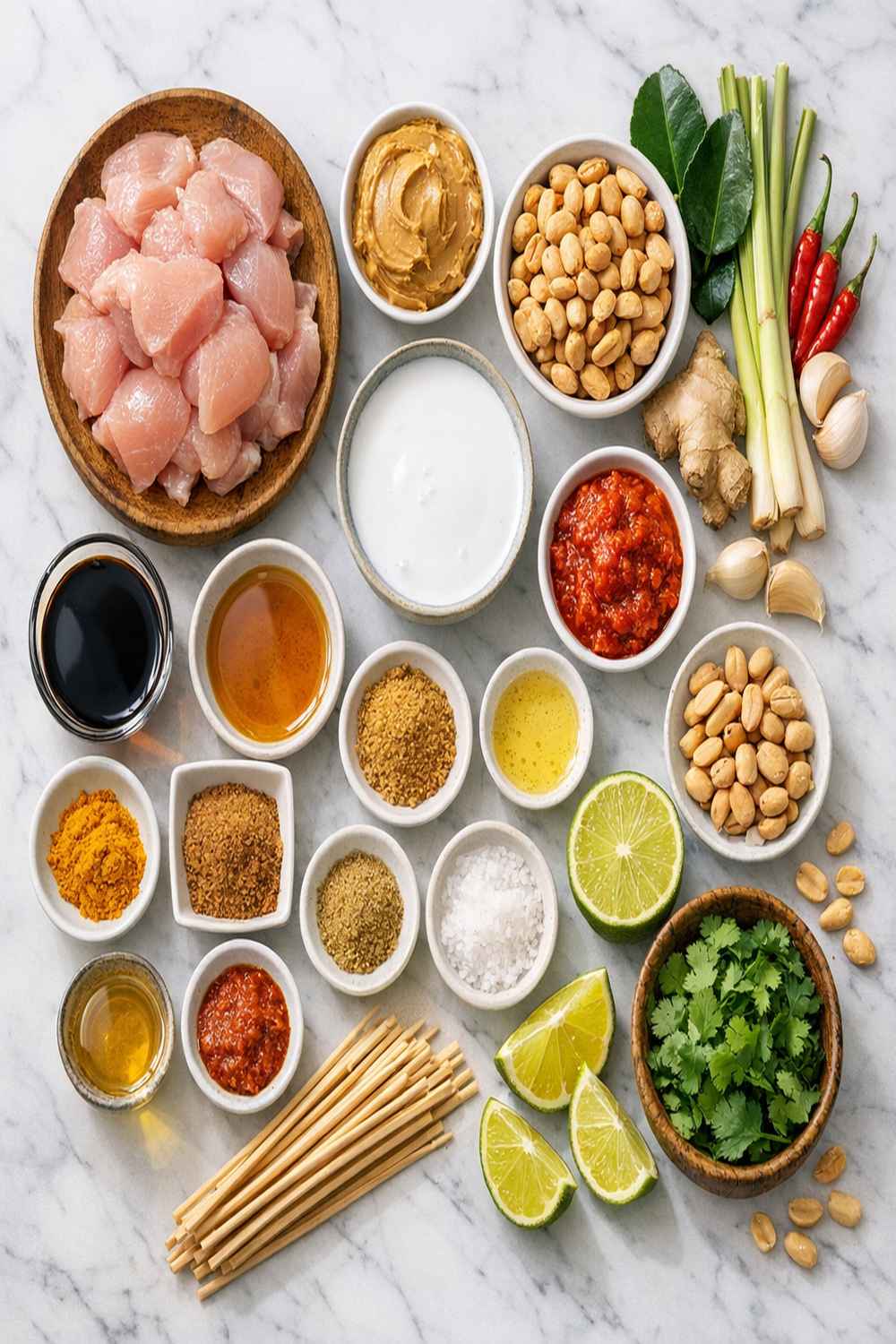
Building authentic satay begins with sourcing quality ingredients. I recommend seeking specialty Asian markets in your area—they typically stock most items at better prices than mainstream grocery stores, and staff can often guide you toward regional preferences. For those in Worcester or similar mid-sized cities without extensive ethnic markets, online specialty retailers have become reliable options. I’ve included substitution guidance below, though I encourage seeking the authentic versions when possible. Your palate will recognize the difference, and you’ll understand why traditional cooks have always insisted on these specific ingredients.
For the Chicken and Marinade
- 600 grams boneless, skinless chicken thighs, cut into 2-centimeter cubes (thighs remain more moist than breast meat during grilling; the higher fat content prevents drying)
- 2 teaspoons red curry paste (authentic versions contain chilies, lemongrass, galangal, and shrimp paste; adds complexity and depth beyond simple heat)
- 1 teaspoon white sugar (balances heat and aids in browning during cooking)
- 1 teaspoon fine sea salt or kosher salt (use half the amount if substituting table salt, which is denser)
- 1 tablespoon curry powder (a blend that typically includes turmeric, coriander, cumin, and fenugreek; provides warm spice foundation and anti-inflammatory compounds)
For the Peanut Sauce
- 1 teaspoon fine sea salt or kosher salt (adjust to taste; remember salt intensifies as the sauce reduces)
- 400 milliliters full-fat coconut milk, canned (the richness and fat content are essential; lighter versions won’t achieve proper sauce consistency)
- ¾ cup water (for thinning the sauce to proper consistency)
- 2 tablespoons red curry paste (same as above; reinforces flavor consistency)
- Fresh lime wedges (for serving; brightness is essential to satay’s final impression)
- 2 tablespoons apple cider vinegar (the acidity brightens the sauce and aids digestive function; traditional recipes use lime juice, which is similar)
- ¾ cup natural smooth peanut butter (look for versions listing only peanuts and salt; no hydrogenated oils or added sugars)
- 2 teaspoons dark soy sauce (provides umami depth and color; authentic brands taste noticeably richer than standard versions)
- 2 tablespoons raw peanuts, finely chopped (garnish that adds texture and reinforces peanut flavor)
- Fresh cilantro leaves and sliced red chilies (optional garnish that adds freshness and visual appeal)
- ¼ cup white sugar (traditional recipes use this amount; it balances heat and saltiness)
Equipment Notes
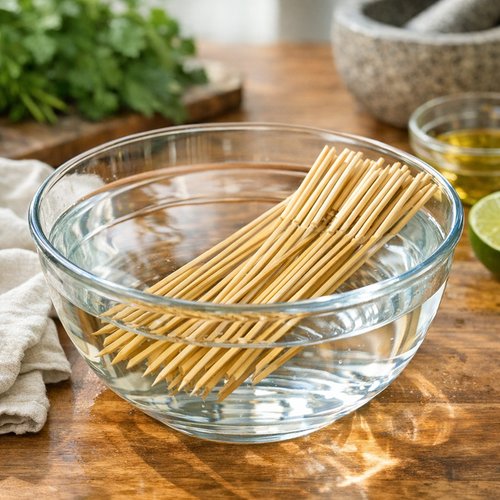
- 13-16 bamboo skewers, 6.5 inches long (soak for minimum 2 hours before grilling to prevent charring; wooden skewers are traditional and create less heat conduction than metal)
- Grill or grill pan (charcoal grills create the most authentic flavor, but gas grills or stovetop pans work excellently)
Ingredient Sourcing Guide: For curry powder, seek brands from India or Southeast Asia rather than shelf-stable American blends—they’re fresher and more aromatic. Red curry paste should be found in the Asian section; Thai Kitchen and Maesri are reliable brands. Coconut milk from Thailand or Indonesia tastes noticeably richer than domestic brands. Natural peanut butter is increasingly available in mainstream stores, but health food stores and Asian markets often offer superior versions. Apple cider vinegar should be raw and unfiltered for maximum flavor.
The Traditional Method: How to Make Authentic Chicken Satay Peanut Sauce Recipe
I want to frame this process not as a rush to dinner, but as honoring a tradition. Real satay takes time—not because it’s complicated, but because respecting food means allowing each step its proper duration. This isn’t inefficiency; it’s intentionality. My grandmother taught me that when you cook this way, people taste the care in every bite.
Step 1: Prepare Your Skewers and Workspace
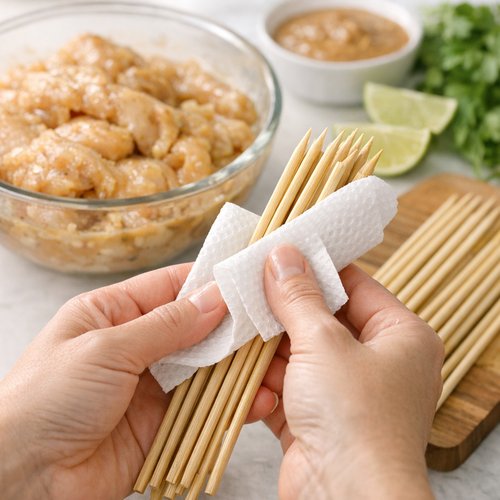
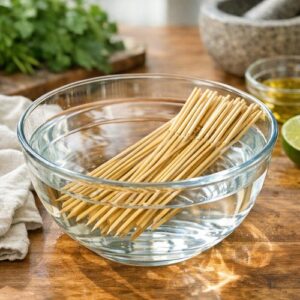
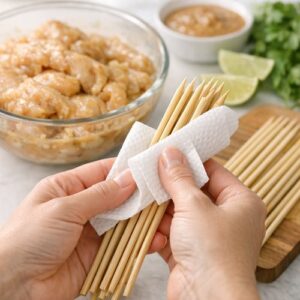
Begin by placing your bamboo skewers into a large bowl filled with room-temperature water. If you’re grilling over charcoal or on an outdoor grill, this soaking period is non-negotiable—it prevents the exposed wooden portions from charring excessively before the meat cooks through. Allow a minimum of 2 hours for proper saturation. This step mirrors how traditional cooks would prepare their tools deliberately before beginning work. While skewers soak, pat your chicken pieces dry with clean paper towels and arrange them on a plate. Dry surfaces brown more effectively during cooking, creating better flavor development through the Maillard reaction.
Step 2: Create the Marinade Base
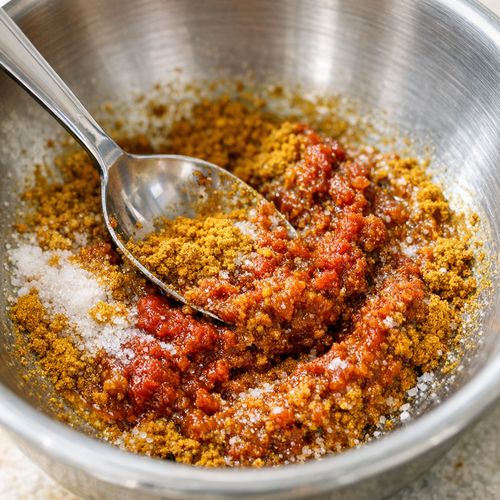
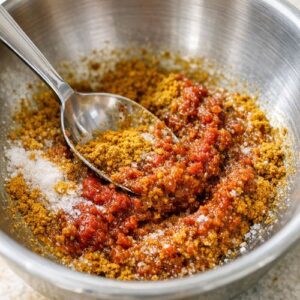
In a medium mixing bowl, combine the curry powder, red curry paste, white sugar, and fine sea salt. Mix these together thoroughly, breaking up any paste clumps with the back of a spoon. The goal is a uniform, fragrant blend. This mixture should smell warm and inviting—you’re awakening the spices and allowing them to meld. Add your prepared chicken pieces to this mixture and use your hands to coat each piece thoroughly. Every surface should contact the spice blend. This isn’t about marinating for hours—satay chicken actually benefits from relatively brief marination, usually 30 to 45 minutes. Extended marinating can make the exterior overly salty before the interior absorbs flavor.
While chicken marinates, begin preparing your peanut sauce, which actually improves with time to meld flavors.
Step 3: Build Your Peanut Sauce Foundation
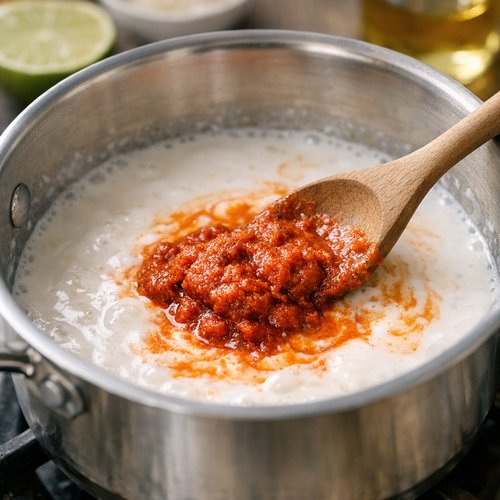
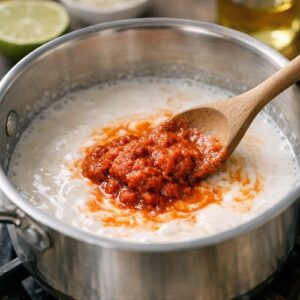
This is where patience becomes your greatest ingredient. In a medium saucepan over moderate heat, combine the coconut milk and red curry paste. Rather than adding everything at once, pour in about one-quarter of your coconut milk and whisk vigorously to fully incorporate the curry paste before adding the remaining liquid. This prevents the paste from clumping and ensures even flavor distribution throughout the sauce. Let this mixture warm gently—you’re not looking for vigorous bubbling, just gentle steaming as aromatics release.
Once the coconut and paste are unified, add your natural peanut butter slowly, stirring constantly. The sauce will thicken initially as the peanut butter incorporates, then gradually become creamier as the heat allows the fats to redistribute. This process takes about 5 minutes. You’re creating an emulsion—essentially suspending peanut solids and oils in the coconut base.
Step 4: Season and Balance the Sauce
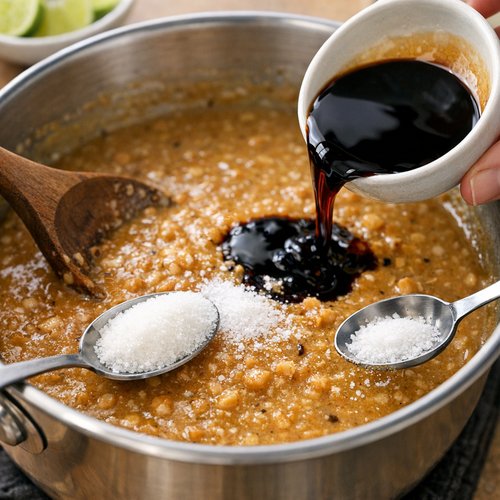
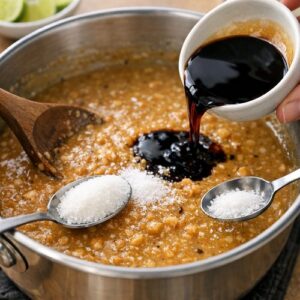
With your base established, add the dark soy sauce for umami depth, the white sugar for subtle sweetness and balance, and the fine sea salt to taste. Add these ingredients gradually and taste frequently. Every coconut milk brand behaves slightly differently, and your personal preference for sweetness versus saltiness matters. Pour in the apple cider vinegar—this is your brightness, your acid component that makes everything taste more alive.
Now comes a crucial step that many recipes skip: add water slowly while stirring, allowing the sauce to reach your preferred consistency. The sauce should coat a spoon but still flow freely. It will thicken slightly as it cools, so aim for something slightly thinner than your target consistency. This sauce should taste balanced—not too sweet, not too spicy, with the peanut flavor prominent but not monotonous. Remember that satay sauce is an accompaniment meant to enhance the grilled chicken’s flavor, not overwhelm it.
Reduce heat to low and let the sauce simmer gently for 10 to 15 minutes, stirring occasionally. This low-temperature cooking allows flavors to marry and deepens the sauce’s complexity. Don’t rush this step—it transforms a mixture into a proper sauce.
Step 5: Thread Your Skewers
Once your chicken has marinated for 30 to 45 minutes and your skewers are fully saturated, remove skewers from water and pat them dry with paper towels. This step prevents excess water from cooling your grill. Taking one skewer at a time, thread the marinated chicken pieces through their centers, spacing them about one-half inch apart. Leave roughly one-third of the skewer bare at each end for safe handling. You should have enough chicken to create 13 to 16 loaded skewers depending on your chicken cube size.
Arrange skewers on a clean plate until you’re ready to grill. Don’t let them sit too long after skewering—the exposed surfaces can begin drying out after about 15 minutes.
Step 6: Grill with Intention
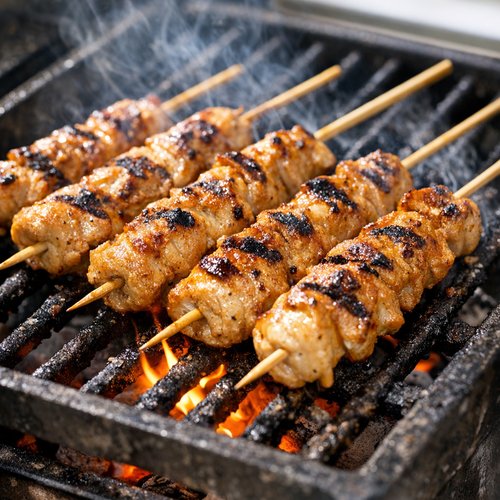
This is where traditional satay technique truly shines. Whether you’re using a charcoal grill, gas grill, or stovetop grill pan, prepare your cooking surface so it reaches a moderate temperature—around 375 to 400 degrees Fahrenheit. The goal is not high-heat searing, but steady, even cooking that allows the chicken to cook through without excessive exterior charring.
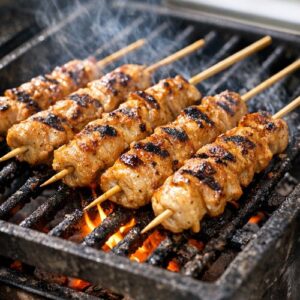
Place skewers directly on the grill grates with adequate space between them. Let them cook undisturbed for about 4 to 5 minutes before turning. When you turn them, look for light browning and slight charring at the contact points—this is the Maillard reaction creating flavor depth. Turn skewers every 4 to 5 minutes, moving them to different grill sections to ensure even heat exposure. Total cooking time is typically 15 to 20 minutes. The chicken is done when it reaches an internal temperature of 165 degrees Fahrenheit (74 degrees Celsius) at the thickest point.
This patient turning and moving prevents any single skewer from cooking too quickly or unevenly. It also allows you to move skewers away from direct heat if they’re browning too aggressively. This is the low-and-slow philosophy that keeps chicken juicy.
Step 7: Rest and Serve
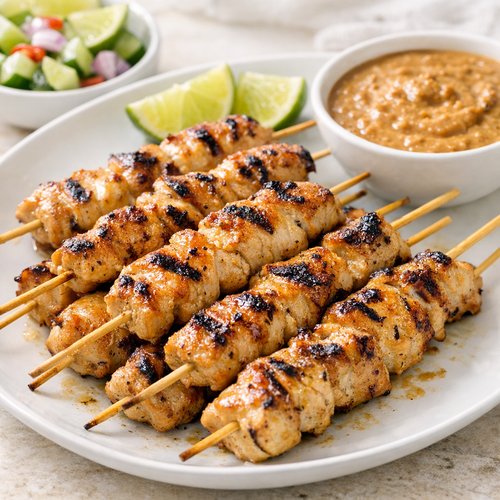
Once cooked through, transfer your skewers to a clean plate and allow them to rest for 5 minutes before serving. This resting period lets carryover cooking finish gently and allows juices to redistribute throughout the meat. While they rest, give your peanut sauce a final stir. If it has thickened slightly as it cooled, you can add a splash more water to return it to proper consistency.
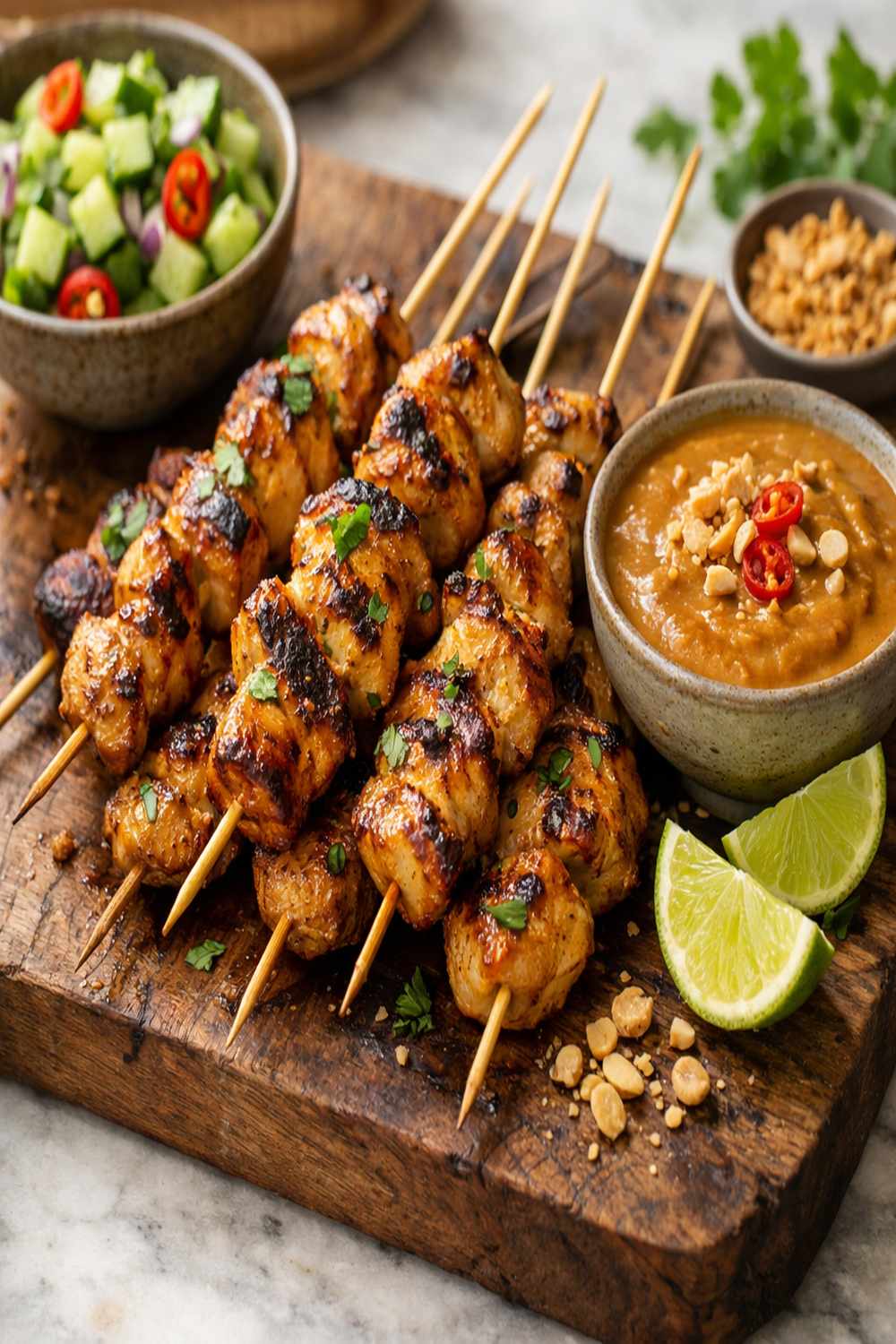
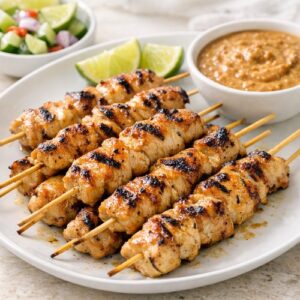
Arrange skewers on a serving platter with small bowls of peanut sauce alongside. Garnish the sauce with finely chopped peanuts, and provide lime wedges for each guest. Fresh cilantro leaves and sliced red chilies can be scattered over the skewers if desired. This presentation honors how satay is traditionally served—simply, with respect for the ingredients’ natural flavors.
Regional Variations Around the World
- Indonesian Satay (Sate Ayam) – The original form typically uses more complex spice blends with galangal and lemongrass featured prominently. The sauce often includes tamarind paste for tartness rather than vinegar, creating a more subtle acid note. Indonesian versions sometimes incorporate a touch of fermented shrimp paste (terasi) into both marinade and sauce, adding an umami depth that transforms the entire dish.
- Thai Satay (Satay Gai) – Thai versions tend toward more aggressive chili heat, often featuring fresh bird’s eye chilies in the sauce rather than relying solely on curry paste. Thai satay frequently includes peanut powder—finely ground peanuts without oil—creating a drier texture that some prefer. The sauce is typically thinner and more pourable than Indonesian versions.
- Malaysian Satay (Sate Ayam Malaysia) – Malaysian interpretations often feature peanut sauces with more prominent sweetness, incorporating palm sugar (gula melaka) for depth and complexity. The marinade might include turmeric and cumin more prominently, creating a more golden-hued chicken. Some Malaysian recipes add a thin layer of turmeric paste coating before grilling, creating a striking golden exterior.
- Vietnamese Satay Variations – Less common but existing in some regions, Vietnamese satay often incorporates fish sauce into both marinade and sauce, honoring Vietnam’s flavor preferences. The sauce might be spicier and less rich, sometimes thinned further and served more as a dipping sauce than a sauce for coating.
Traditional Serving Customs
In Southeast Asian cultures, satay occupies a special place—it’s casual enough for street food, yet elegant enough for celebrations. Traditionally, satay appears at gatherings where food is communal and conversation flows freely. The skewers make individual portions clear while maintaining the sense of shared experience.
Satay is typically served at room temperature or slightly warm, never piping hot. This temperature range allows the chicken’s subtle flavors to come through without the numbing effect of extreme heat. The peanut sauce is served alongside in small bowls, allowing each person to determine their sauce ratio. This autonomy respects individual preferences while maintaining the dish’s integrity.
Lime wedges are absolutely essential—not optional. The squeeze of fresh lime juice just before eating brightens everything and adds digestive enzymes that aid nutrient absorption. In traditional settings, satay is often accompanied by cucumber slices (often pickled), raw vegetables, and steamed rice or rice crackers. These accompaniments provide textural contrast and serve nutritional purposes too—the fiber and water content of fresh vegetables balance the richness of the peanut sauce.
Satay is traditionally served as part of a larger spread rather than as a main course alone, though it certainly can be. The social custom emphasizes the dish as part of celebration and gathering—food that brings people together. When you serve satay, you’re honoring that tradition of connection and generosity.
Can I Store Chicken Satay Peanut Sauce Recipe?
Both components store excellently, which makes this a smart make-ahead meal for busy weeks.
Cooked chicken skewers last refrigerated for 3 to 4 days when stored in an airtight container. The meat actually develops deeper flavor as it cools, so cold satay is genuinely delicious—you’re not settling for leftovers, you’re discovering a different expression of the same dish. Gently reheat in a low oven at 300 degrees Fahrenheit for about 10 minutes if you prefer them warm, but I genuinely recommend serving them at room temperature.
The peanut sauce keeps refrigerated for 5 to 6 days in a sealed container. If the oil has separated slightly during storage (this is completely normal and doesn’t indicate spoilage), simply stir it back in before serving. You can also refrigerate individual serving portions in small jars for grab-and-go meal prep.
For longer storage, freeze cooked chicken skewers for up to 3 months in a freezer-safe container with parchment between layers. Thaw overnight in the refrigerator before reheating. The peanut sauce freezes well too—freeze for up to 2 months in a freezer-safe container, leaving slight headspace for expansion. The sauce might separate slightly upon thawing; simply warm it gently and stir to recombine.
I don’t recommend freezing uncooked marinated chicken, as the marinade’s salt can affect texture during freezing and thawing. Marinate and grill when you’re ready to cook.
Expert’s Nutritional Tip: The Remarkable Synergy of This Dish
As a dietitian who’s spent years understanding nutrition beyond simple calorie counting, I want to highlight something remarkable about authentic satay. The combination of lean protein, healthy fats from peanuts and coconut, and spice isn’t accidental—it’s genius food science developed through centuries of observation.
Chicken thighs provide not just protein but collagen (especially in the connective tissues around the meat) and complete micronutrient profiles including iron, B vitamins, and selenium. The fat content keeps the meat moist during cooking, preventing the protein denaturing excessively, which preserves its digestibility.
Natural peanut butter offers not just healthy mono- and polyunsaturated fats, but also magnesium, copper, and manganese—minerals that many people don’t get adequately. The fat content slows absorption of spices and prevents blood sugar spikes from any carbohydrates present.
Coconut milk’s medium-chain triglycerides (MCTs) have a different metabolic pathway than long-chain fats, being processed more directly for energy. The curry paste’s turmeric contains curcumin, a compound with significant anti-inflammatory properties. The apple cider vinegar improves mineral absorption and supports digestive function.
This isn’t health food pretending to be indulgent—it’s genuinely nourishing food that tastes deeply satisfying. That satisfaction matters because it means you’ll feel content with reasonable portions and won’t seek additional foods afterward. This is nutrition operating at its highest level.
Make-Ahead and Meal Prep Guide
I design my cooking around real life, and satay is one of my favorite recipes for structured meal prep.
Three days ahead: Make your peanut sauce completely. Store it in a sealed container in the refrigerator. The flavors actually improve as they meld over a day or two. This removes the most time-intensive component from your cooking day.
One day ahead: Prepare your chicken—trim and cut into cubes, store in a sealed container. You can also prepare your marinade dry ingredients (curry powder, salt, sugar) in a small bowl, covered.
Grilling day morning: Soak your skewers for at least 2 hours. You can do this while you’re working or before you leave the house. Just place them in a bowl of water on your counter.
2 hours before serving: Marinate your chicken. Let it sit for 30 to 45 minutes as directed. Use this time for other preparations—set your table, prepare vegetable accompaniments, organize your grilling station.
Cooking time: The actual grilling takes 20 minutes. By having your sauce ready and chicken prepped, you’re focusing only on the grilling technique, which means better results.
For an even more hands-off approach: grill your chicken completely, then store it refrigerated. On serving day, simply arrange it on a platter and warm the sauce gently. You can have satay on the table in under 10 minutes with virtually all advance work done.
Common Mistakes to Avoid
- Using chicken breast instead of thighs – I understand the appeal; chicken breast has fewer calories. But satay’s entire philosophy depends on keeping chicken juicy through the grilling process. Breast meat simply doesn’t have the fat content to survive moderate heat without drying. The extra fat calories are worth the superior texture and flavor. Nutritionally, the difference isn’t significant enough to justify the sacrifice in quality.
- Skipping the skewer soaking step – This isn’t a pretentious requirement. Unsoaked skewers will char excessively, creating bitter burnt wood flavors that permeate your chicken. The soaking takes literally no active time—just preparation.
- Cooking over too-high heat – High heat creates a charred exterior before the interior cooks through. You’ll end up with burnt outsides and undercooked insides. The traditional low-and-slow method exists because it actually works better. Be patient with your grill temperature.
- Making sauce too thick or too thin – This is easily corrected by adding water gradually, but it’s worth mentioning because it affects the final dish significantly. The sauce should coat the chicken but flow easily on a plate. If it looks thicker than heavy cream, add water. If it’s thinner than half-and-half, simmer longer to reduce.
Seasonal Variations: Adapting Satay Year-Round
Spring: Fresh spring is the perfect time to emphasize the cilantro garnish and add fresh mint leaves alongside. Early peas can be incorporated into vegetable sides, and fresh lime juice from late-season limes is bright and perfect.
Summer: Summer satay is traditional satay season—grilling weather makes this dish especially appropriate. Consider adding grilled vegetables (zucchini, bell peppers, eggplant) alongside the skewers. Serve the satay alongside chilled noodle dishes like those in the Asian Cold Noodle Recipe for a complete summer meal.
Fall: Add warming spices like extra cinnamon or a touch of star anise to your sauce. Use apple cider vinegar prominently (it’s fresher in fall). Pair with roasted root vegetables or incorporate Bamboo Sprouts Recipe preparations for earthiness that complements autumn’s vibe.
Winter: In colder months, embrace the richness—simmer your sauce gently longer to concentrate flavors. Serve warm rather than room temperature. Consider adding a touch more coconut milk to create extra-luxurious sauce. These skewers pair beautifully with warm rice bowls and deeply comforting vegetable soups.
What Can I Serve With Chicken Satay Peanut Sauce Recipe?
Satay rarely appears alone in traditional service—it’s part of a composed meal where each component plays a role.
The most traditional and essential accompaniments are fresh lime wedges (essential for brightness and the mandatory squeeze before eating), steamed or fried rice, and raw or pickled vegetables. The vegetables provide crucial textural contrast against the rich sauce and support digestion. Cucumber slices—either fresh or lightly pickled with vinegar and sugar—are traditional for their cooling effect and crisp texture.
Rice serves as a vehicle for sauce and balances the richness. You can serve simple steamed jasmine rice, or create fried rice with leftover rice, incorporating vegetables and an egg for additional protein. For a lighter option, try rice crackers (prawn crackers are traditional) for crunch.
- Steamed jasmine rice – The mild fragrance doesn’t compete with satay’s complex flavors; the starchy vehicle absorbs sauce beautifully
- Cucumber and daikon salad – Thin slices dressed with rice vinegar, sugar, and salt provide refreshing contrast
- Stir-fried vegetables – Broccoli, snap peas, or bok choy cooked with garlic and a touch of soy sauce complement satay’s richness
- Steamed bok choy with garlic – Simple, nutritious, and allows satay to remain the star
- Spring rolls – Served fresh or fried, these provide another vehicle for sauce and textural variety
- Asian pickled vegetables – Carrots, daikon, and red onion pickled with vinegar and spices aid digestion and provide brightness
If you’re serving satay as part of a larger spread, consider including some Banh Mi Burger Recipe elements like pickled vegetables and fresh herbs that share satay’s flavor vocabulary. Or explore Bao Recipe Filling options for a creative combination meal where guests can create custom plates.

Chicken Satay Peanut Sauce Recipe
Ingredients
Method
- Begin by placing your bamboo skewers into a large bowl filled with room-temperature water. If you're grilling over charcoal or on an outdoor grill, this soaking period is non-negotiable—it prevents the exposed wooden portions from charring excessively before the meat cooks through. Allow a minimum of 2 hours for proper saturation. This step mirrors how traditional cooks would prepare their tools deliberately before beginning work. While skewers soak, pat your chicken pieces dry with clean paper towels and arrange them on a plate. Dry surfaces brown more effectively during cooking, creating better flavor development through the Maillard reaction.
- In a medium mixing bowl, combine the curry powder, red curry paste, white sugar, and fine sea salt. Mix these together thoroughly, breaking up any paste clumps with the back of a spoon. The goal is a uniform, fragrant blend. This mixture should smell warm and inviting—you're awakening the spices and allowing them to meld. Add your prepared chicken pieces to this mixture and use your hands to coat each piece thoroughly. Every surface should contact the spice blend. This isn't about marinating for hours—satay chicken actually benefits from relatively brief marination, usually 30 to 45 minutes. Extended marinating can make the exterior overly salty before the interior absorbs flavor. While chicken marinates, begin preparing your peanut sauce, which actually improves with time to meld flavors.
- This is where patience becomes your greatest ingredient. In a medium saucepan over moderate heat, combine the coconut milk and red curry paste. Rather than adding everything at once, pour in about one-quarter of your coconut milk and whisk vigorously to fully incorporate the curry paste before adding the remaining liquid. This prevents the paste from clumping and ensures even flavor distribution throughout the sauce. Let this mixture warm gently—you're not looking for vigorous bubbling, just gentle steaming as aromatics release. Once the coconut and paste are unified, add your natural peanut butter slowly, stirring constantly. The sauce will thicken initially as the peanut butter incorporates, then gradually become creamier as the heat allows the fats to redistribute. This process takes about 5 minutes. You're creating an emulsion—essentially suspending peanut solids and oils in the coconut base.
- With your base established, add the dark soy sauce for umami depth, the white sugar for subtle sweetness and balance, and the fine sea salt to taste. Add these ingredients gradually and taste frequently. Every coconut milk brand behaves slightly differently, and your personal preference for sweetness versus saltiness matters. Pour in the apple cider vinegar—this is your brightness, your acid component that makes everything taste more alive. Now comes a crucial step that many recipes skip: add water slowly while stirring, allowing the sauce to reach your preferred consistency. The sauce should coat a spoon but still flow freely. It will thicken slightly as it cools, so aim for something slightly thinner than your target consistency. This sauce should taste balanced—not too sweet, not too spicy, with the peanut flavor prominent but not monotonous. Remember that satay sauce is an accompaniment meant to enhance the grilled chicken's flavor, not overwhelm it. Reduce heat to low and let the sauce simmer gently for 10 to 15 minutes, stirring occasionally. This low-temperature cooking allows flavors to marry and deepens the sauce's complexity. Don't rush this step—it transforms a mixture into a proper sauce.
- Once your chicken has marinated for 30 to 45 minutes and your skewers are fully saturated, remove skewers from water and pat them dry with paper towels. This step prevents excess water from cooling your grill. Taking one skewer at a time, thread the marinated chicken pieces through their centers, spacing them about one-half inch apart. Leave roughly one-third of the skewer bare at each end for safe handling. You should have enough chicken to create 13 to 16 loaded skewers depending on your chicken cube size. Arrange skewers on a clean plate until you're ready to grill. Don't let them sit too long after skewering—the exposed surfaces can begin drying out after about 15 minutes.
- This is where traditional satay technique truly shines. Whether you're using a charcoal grill, gas grill, or stovetop grill pan, prepare your cooking surface so it reaches a moderate temperature—around 375 to 400 degrees Fahrenheit. The goal is not high-heat searing, but steady, even cooking that allows the chicken to cook through without excessive exterior charring. Place skewers directly on the grill grates with adequate space between them. Let them cook undisturbed for about 4 to 5 minutes before turning. When you turn them, look for light browning and slight charring at the contact points—this is the Maillard reaction creating flavor depth. Turn skewers every 4 to 5 minutes, moving them to different grill sections to ensure even heat exposure. Total cooking time is typically 15 to 20 minutes. The chicken is done when it reaches an internal temperature of 165 degrees Fahrenheit (74 degrees Celsius) at the thickest point. This patient turning and moving prevents any single skewer from cooking too quickly or unevenly. It also allows you to move skewers away from direct heat if they're browning too aggressively. This is the low-and-slow philosophy that keeps chicken juicy.
- Once cooked through, transfer your skewers to a clean plate and allow them to rest for 5 minutes before serving. This resting period lets carryover cooking finish gently and allows juices to redistribute throughout the meat. While they rest, give your peanut sauce a final stir. If it has thickened slightly as it cooled, you can add a splash more water to return it to proper consistency. Arrange skewers on a serving platter with small bowls of peanut sauce alongside. Garnish the sauce with finely chopped peanuts, and provide lime wedges for each guest. Fresh cilantro leaves and sliced red chilies can be scattered over the skewers if desired. This presentation honors how satay is traditionally served—simply, with respect for the ingredients' natural flavors.
Notes
FAQs
Can I use store-bought peanut sauce instead of making my own?
Technically yes, but I’d encourage you to make your own at least once. Store-bought versions are often thinner, sweeter, and lack the depth that develops through slow simmering. They typically contain added corn syrup or excessive sodium. Once you’ve tasted sauce made from real coconut milk, natural peanut butter, and balanced spices, the store versions feel noticeably flat. Making sauce takes about 20 minutes of mostly passive cooking time, and the difference in your final dish is substantial. Consider it an investment in understanding how good this meal can be.
Where can I source authentic curry paste if my regular grocery store doesn’t carry it?
Start with any Asian specialty market in your area—they’ll have multiple curry paste brands, typically at better prices than mainstream grocers. If your area lacks these markets, online retailers like Amazon, Importfood, or even Asian grocery delivery services stock authentic versions. Thai Kitchen and Maesri are reliable widely-available brands, though local or regional Asian brands are often superior. I recommend building a relationship with an Asian market staff member who can guide you toward regional preferences. Also, increasingly mainstream grocery stores are expanding their international sections—it’s worth checking before assuming something’s unavailable.
Is there a low-sugar version of this recipe?
Yes, absolutely. The sugar in satay serves specific purposes: it aids browning during grilling, balances the salt and heat of the marinade, and prevents the sauce from tasting too aggressively spicy. You can reduce the sugar in both marinade and sauce by half and compensate by amplifying other flavors. Add more lime juice for brightness, increase the salt slightly for balance, and ensure your curry paste is high-quality enough to shine without sugar support. The dish will taste noticeably different—less rounded, more spice-forward—but it’s entirely valid. Some diets actually prefer this expression. If you’re managing blood sugar, this modification is worth making.
Can I make satay vegetarian or vegan?
The chicken can be replaced with firm tofu, though you’ll lose some nutritional density. Cut extra-firm tofu into 2-centimeter cubes (press it first to remove excess moisture), marinate in the same mixture, and grill with extra care since