
Bibimbap Ground Beef Recipe
This post contains affiliate links. As an Amazon Associate I earn from qualifying purchases.
Getting kids to eat bibimbap feels impossible—until you try this approach. I’ve watched countless parents struggle at the dinner table, pleading with their children to finish their vegetables. But here’s what I’ve learned from years as a registered dietitian: when kids have control over what goes into their bowl, everything changes. This Korean classic transforms into something magical when you build it together as a family. The beauty of bibimbap isn’t just in the balanced nutrition hiding beneath those colorful layers—it’s in the story. My grandmother taught me that food prepared with intention, layered with care, and shared with loved ones becomes something nobody wants to refuse.
This ground beef version strips away the intimidation factor of traditional bibimbap while keeping every bit of its soul-warming appeal. Unlike more complex Asian recipes that require specialty equipment, this one uses your basic kitchen tools and pantry staples. Best of all, it addresses the number one concern I hear from parents: how do I get vegetables into my kids without the dinner table becoming a battleground? When you set up a customization station and let children build their own bowls, you’re not just serving dinner—you’re creating a memory, and honestly, that’s where the real nutrition happens.
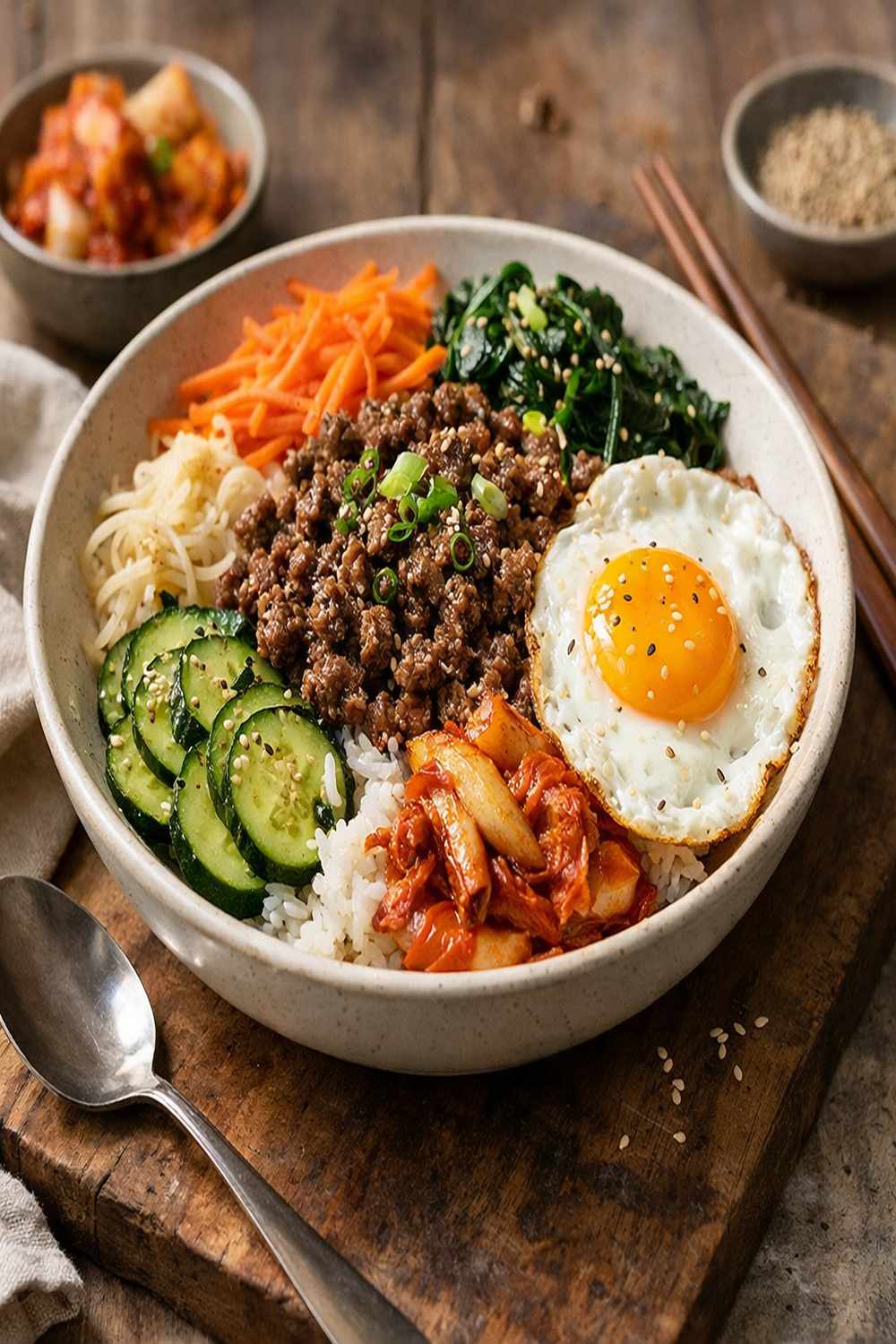
Bibimbap Ground Beef Recipe: The One-Bowl Meal That Gets Kids Actually Excited About Vegetables
I still remember the afternoon my neighbor brought her seven-year-old son over for lunch, worried he’d refuse everything I made. She’d warned me ahead of time: “He won’t eat vegetables. He barely eats anything besides chicken nuggets.” I set up our bibimbap station anyway, laying out each component in small bowls around a central pot of fluffy rice. What happened next surprised us both. Her son didn’t just eat the mushrooms, the spinach, and the bean sprouts—he asked for seconds. He even wanted to know if he could make it again at home.
That moment crystallized something I’d suspected for years: kids don’t refuse vegetables because they dislike them. They refuse vegetables when they feel powerless in the eating experience. Bibimbap, by its very nature, puts that power back in their hands. Every component sits separate until the moment you mix it together—it’s less about forcing nutrition and more about inviting participation. The ground beef becomes a vehicle for flavor, the gochujang sauce brings everything together, and suddenly a bowl of carefully balanced nutrition doesn’t feel like an obligation.
Why Kids Love This Version
After working with families for over a decade, I’ve noticed certain elements that consistently win over even the pickiest eaters. This ground beef bibimbap hits every single one of those buttons. The texture variety keeps things interesting—creamy yolk, soft rice, slightly crispy edges on the mushrooms, tender beef that’s flavorful without being overwhelming. There’s no single overpowering taste, which means kids with sensory sensitivities often respond well to it. Most importantly, the entire eating experience puts children in the driver’s seat.
- Mix-It-Yourself Appeal – Children love anything interactive. Rather than serving a pre-assembled plate, you’re giving them a canvas. The act of combining ingredients transforms the experience from “eating what I’m told” to “creating my own meal.” This psychological shift is powerful.
- Texture Contrast That Keeps Them Engaged – The crispy seaweed, soft spinach, slightly firm carrots, chewy rice, and tender beef create a sensory experience that holds attention. Kids stay interested longer when their mouth experiences variety with each bite.
- Mild Heat with Control – The gochujang sauce brings authentic Korean flavor without aggressive spice. Kids can add as much or as little as they want, building confidence in their own taste preferences rather than forcing them to accept “adult food.”
- Color and Visual Appeal – Kids eat with their eyes first. A bibimbap bowl is naturally beautiful—red carrots, dark green spinach, white rice, golden egg yolk. This isn’t a trick; it’s genuine visual appeal that makes them want to dig in.
How to Get Kids Involved in Making This
One of my favorite parts about this recipe is how naturally it invites participation across different age groups. Nobody feels left out, and everyone contributes something meaningful. I’ve found that when kids help prepare a meal, they’re exponentially more likely to actually eat it. This isn’t just my observation—research consistently shows that children who participate in meal preparation have healthier eating habits and better relationships with food long-term.
- Ages 3-5: Tear the Spinach and Sprinkle the Sesame Seeds – Toddlers can safely tear pre-washed spinach into bite-sized pieces (great fine motor practice) and sprinkle toasted sesame seeds over the finished bowl. Give them a small bowl of seeds and let them control the shaker. It builds pride in their contribution without any real safety concerns.
- Ages 6-9: Slice the Soft Vegetables and Mix the Sauce – School-age kids can use a child-safe knife to slice the pre-cooked mushrooms and carrots into the bowls. They can also combine the gochujang sauce ingredients in a small bowl under supervision. This is real kitchen work that makes them feel genuinely helpful.
- Ages 10+: Handle the Cooking with Guidance – Older kids can manage the actual cooking under your supervision. Let them cook the ground beef (with you handling temperature adjustments), sauté the mushrooms, and even crack the eggs. This is where confidence in the kitchen truly builds. They’re learning real technique, not just helping.
The Ingredients – Hidden Nutrition, Visible Deliciousness
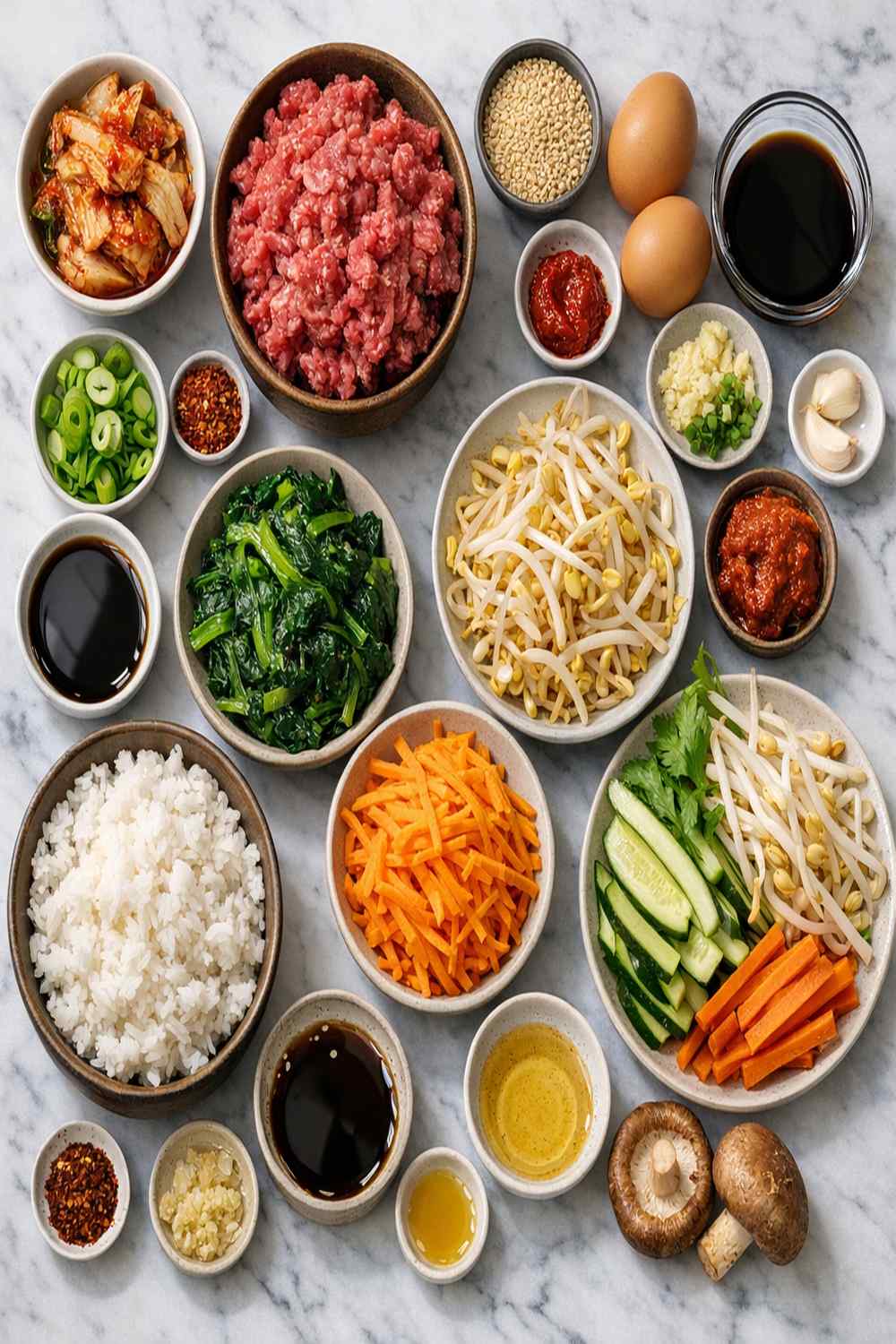
Every ingredient in this bowl serves a purpose beyond just flavor. As a registered dietitian, I’m always thinking about nutritional density—how to pack maximum health benefits into meals kids will actually eat. This recipe is where nutritional science meets the comfort food my grandmother taught me to make. The vegetables aren’t hidden in a sauce; they’re celebrated. The beef provides complete protein and iron. The eggs add choline for brain development. The sesame oil brings heart-healthy fats. And here’s something most people don’t realize: the gochujang fermentation creates beneficial probiotics and increases the bioavailability of the nutrients around it.
What makes this version so effective with children is that nothing is disguised. You’re not hiding vegetables in ground meat or blending them into an unrecognizable sauce. Instead, you’re presenting them proudly, separately, letting kids make the choice to include them. That transparency builds trust and, counterintuitively, leads to greater vegetable acceptance over time.
For the Ground Beef Marinade:
- 1 tablespoon toasted sesame oil (darker varieties have more flavor, use it sparingly)
- 1 teaspoon brown sugar (balances saltiness and enhances browning)
- 1 tablespoon soy sauce (provides umami and natural saltiness)
- 100 grams ground beef (about 3.5 ounces, or use chuck or sirloin if you prefer texture variation)
- ¼ teaspoon minced fresh garlic (use fresh, never pre-minced in jars)
For the Vegetables:
- 250 grams fresh spinach (about 0.55 pounds, pre-washed if possible to save time)
- ½ teaspoon fine sea salt (divided—¼ teaspoon each for mushrooms and carrots)
- 350 grams fresh bean sprouts (about 0.77 pounds, rinse thoroughly before cooking)
- 100 grams shiitake mushrooms (about 3.5 ounces, fresh yield better texture than dried)
- 120 grams carrots (about 4.2 ounces or 1 small carrot, julienned into thin matchsticks)
For the Gochujang Sauce:
- 1 teaspoon apple cider vinegar (adds brightness and aids mineral absorption)
- 1 tablespoon filtered water (adjust consistency based on preference)
- 2 tablespoons gochujang paste (Korean red chili paste, fermented for complexity)
- 1 tablespoon toasted sesame oil (same as above—quality matters here)
- 1 tablespoon raw sugar (or coconut sugar for lower glycemic index)
- 1 teaspoon fresh minced garlic (again, fresh is superior)
For Assembly:
- Some toasted seasoned seaweed sheets, shredded into thin strips (adds iodine and mineral depth)
- 1 tablespoon low-sodium vegetable broth (optional addition for extra depth)
- 3 large eggs (room temperature, or 4 if feeding larger appetites)
- 3 cups cooked white or brown rice (about 3 to 4 servings, cook plain with no added salt)
- Rice bran oil or neutral oil for cooking (about 3 tablespoons total, use for beef, mushrooms, carrots, and eggs)
- 2 tablespoons toasted sesame seeds (adds nutty flavor and healthy fats)
Serves: 3-4 people as a main course
How to Make Bibimbap Ground Beef Recipe for the Whole Family
I’ve structured this recipe as a series of simultaneous cooking tasks rather than sequential steps. This is how my grandmother always worked—she’d have multiple things going at once, moving between the stove and cutting board with practiced efficiency. It might look chaotic at first, but I promise it’s the fastest way to get everyone fed without anyone feeling rushed. The beauty of bibimbap is that each component can be prepared independently, then brought together at the very end. This means kids can help in parallel, and the actual final assembly takes minutes.
Before you begin, read through every step. Gather all your ingredients and prep your work station. This is called mise en place in professional kitchens—having everything ready before you start cooking. It reduces stress, prevents mistakes, and honestly, makes the whole experience feel more manageable when you’re cooking with children.
Step 1: Prepare the Ground Beef (Start Here—This Takes 30 Minutes)
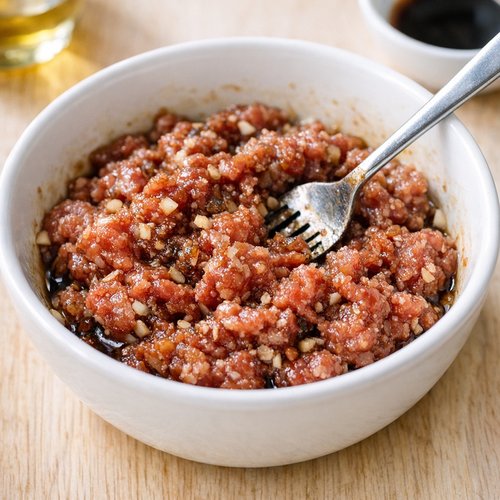
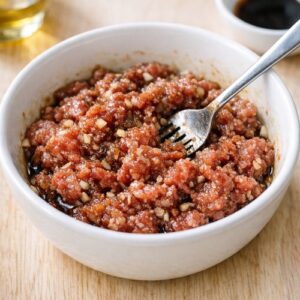
In a small bowl, combine your ground beef with the soy sauce, sesame oil, brown sugar, and fresh minced garlic. Mix gently but thoroughly with a fork, breaking up any clumps. Don’t overmix (this makes meat tough), but ensure the marinade is evenly distributed. Cover and let sit at room temperature for 30 minutes while you prepare everything else. This wait time is non-negotiable—it’s where the flavor develops. If kids are helping, they can do the mixing under your guidance. Show them how gently to combine ingredients, explaining that we’re being kind to the beef so it stays tender.
Step 2: Make the Gochujang Sauce
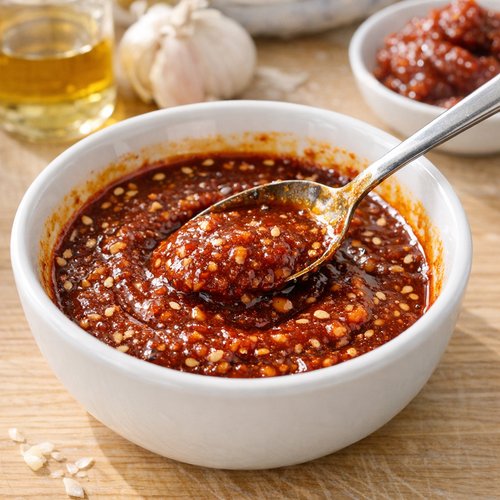
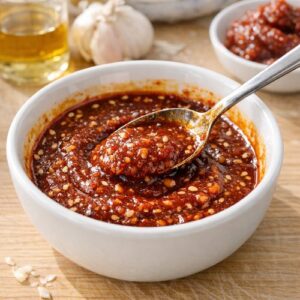
While the beef marinates, combine all gochujang sauce ingredients in a small bowl: the paste, sesame oil, sugar, water, garlic, and vinegar. Stir until smooth and fully combined. Taste it. It should be spicy, slightly sweet, aromatic, and balanced. If it’s too thick, add another teaspoon of water. If it’s too thin, add a touch more gochujang. This is a great task for kids ages 6 and up—they can whisk or stir, and they’ll develop ownership over the final flavor. Many children who initially resist spicy food become adventurous when they’ve helped create the seasoning.
Step 3: Cook the Spinach
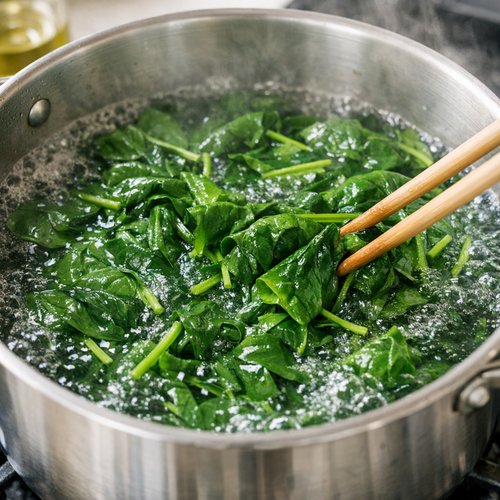
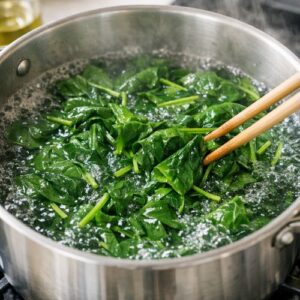
Bring a large pot of water to a rolling boil. Add a generous pinch of salt. Carefully add your fresh spinach and stir constantly for about 2 minutes until fully wilted and tender. Use a slotted spoon to transfer it to a colander, pressing gently to remove excess water (don’t squeeze hard—spinach bruises easily). Once it’s cooled slightly, chop it roughly and place in a serving bowl. Be extremely careful with boiling water around young children. This is a step where even young kids can participate by preparing the colander and helping with the cooling stage, but the actual pot work should be adult-controlled.
Step 4: Prepare the Bean Sprouts
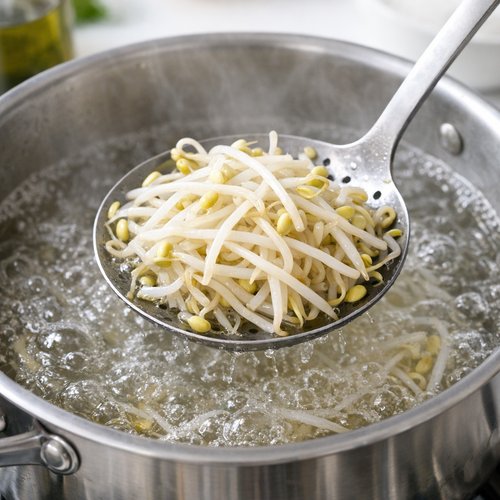
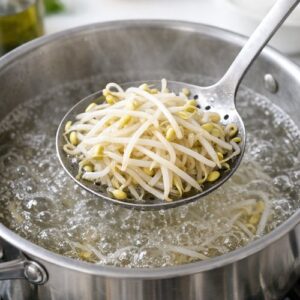
Rinse your bean sprouts thoroughly under cold water, then bring another pot of salted water to boil. Add the sprouts and cook for 2-3 minutes—they should be tender but retain slight crunch. Drain in a colander, then transfer to a separate serving bowl. Bean sprouts cook fast, so stay attentive. This is a good time to involve kids in the rinsing stage (older kids can help drain them too). The quick cooking time makes this a manageable task even when children are helping.
Step 5: Cook the Mushrooms
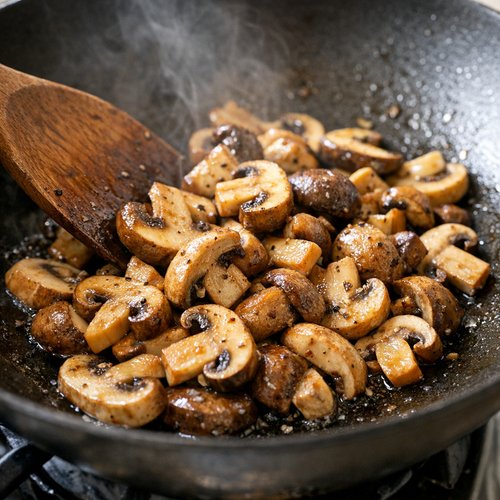
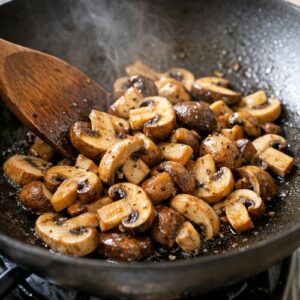
While your vegetables are cooking, heat a wok or large skillet over medium-high heat. Add about 1 tablespoon of rice bran oil and wait 30 seconds until it shimmers. Slice your shiitake mushrooms into thin pieces (about ¼ inch thick). Add them to the hot wok along with ¼ teaspoon of fine sea salt. Let them cook undisturbed for 1 minute—this creates nice browning on one side. Then stir and continue cooking for another 2-3 minutes until all pieces are cooked through and have begun to darken slightly. Transfer to a serving bowl. Keep children at a safe distance from the hot wok. However, kids ages 10+ can handle this step with direct supervision, learning proper heat management and vegetable cooking technique.
Step 6: Cook the Carrots
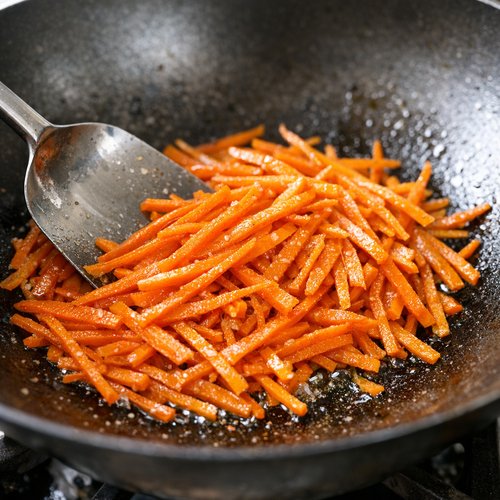
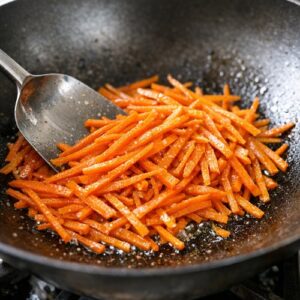
In the same wok (you can use the residual oil), cook your julienned carrots over medium-high heat with another teaspoon of oil and ¼ teaspoon salt. Stir frequently for 2-3 minutes until they’re tender-crisp. They should retain some structural integrity while being soft enough for young kids to eat easily. Transfer to a serving bowl. This quick cooking time means the carrots stay bright and retain vitamins.
Step 7: Cook the Ground Beef
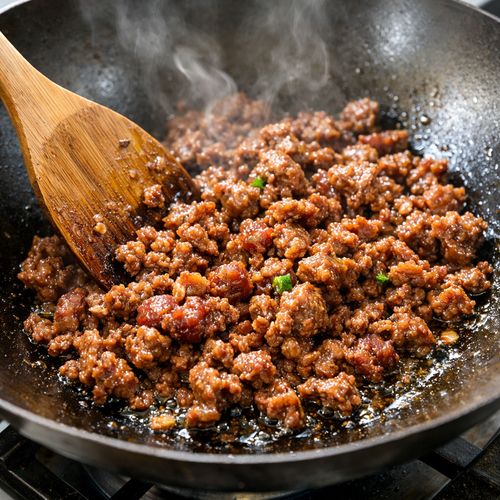
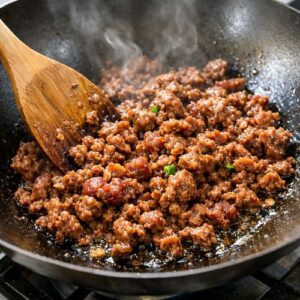
Return your wok to medium-high heat with the final tablespoon of oil. Once it’s hot and shimmering, carefully add your marinated ground beef, breaking it up immediately with a wooden spoon or spatula. Let it cook for 3-5 minutes, stirring occasionally, until it’s no longer pink and has developed a light brown color. Taste a small piece—it should be flavorful, tender, and fully cooked through. Transfer to a serving bowl. Always ensure the beef is completely cooked through when making meals for children. This is where older kids can really learn proper meat cooking technique—how to tell when it’s done, how to break it up properly, how to judge doneness by appearance and texture.
Step 8: Fry the Eggs
In your wok with a little fresh oil, crack your eggs carefully. You can make them sunny-side up (yolk runny, whites cooked), over-easy, over-medium, or fully cooked—whatever your family prefers. Cook until the whites are set but the yolks still have some give. Transfer to a small plate. Keep children away from hot oil splatter. This is a step best handled by adults unless you’re working with confident teenagers.

Step 9: Assemble the Bibimbap Bowls
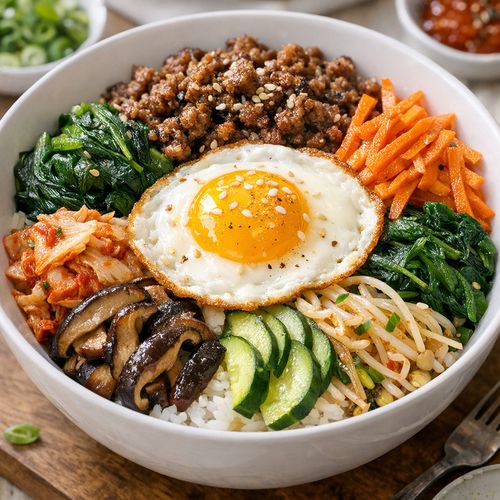
Now comes the fun part. For each person, place about ¾ cup of cooked rice in a bowl. Arrange all your prepared components in an attractive pattern on top of the rice: the cooked ground beef, spinach, bean sprouts, mushrooms, carrots, seaweed strips, and sesame seeds. Crown each bowl with a fried egg. Pour a small amount of gochujang sauce over the top (about ½ tablespoon per bowl), or serve the sauce on the side so people can add their preferred amount. This is where kids truly shine—let them arrange their own bowl, choosing how much of each component they want. Some kids will want lots of beef, minimal vegetables. Others will go vegetable-forward. This choice is the entire point. There’s no “wrong” way to build a bibimbap bowl.
Step 10: The Mix and Eat
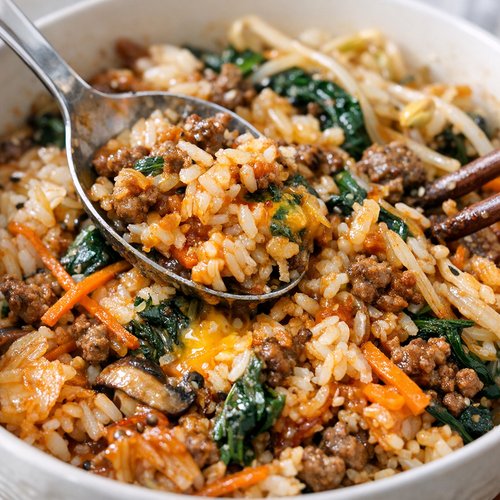
Instruct everyone to use their spoon to thoroughly mix the entire bowl together, combining the rice, vegetables, beef, sauce, and egg yolk until everything is integrated. The warm rice will slightly cook the raw egg, creating a creamy, luxurious texture. Each bite should contain elements of everything. This is genuinely delicious, and more importantly, it’s the moment where kids realize they’ve created something worth eating.
Expert’s Nutritional Tip: The Power of Fermented Gochujang
Here’s something I learned early in my dietitian career that changed how I approach Korean cuisine: fermented gochujang paste isn’t just a flavor vehicle—it’s a nutritional powerhouse. The fermentation process creates beneficial bacteria (probiotics) that support gut health, which directly impacts immune function and even mood. More importantly, the fermentation increases bioavailability of minerals like iron and zinc, meaning your body can actually absorb and use the nutrients in the beef and vegetables more effectively. This is genuine nutritional synergy. When you combine fermented gochujang with iron-rich beef and vitamin C-rich spinach, you’re creating a meal where the nutrients actively support each other’s absorption. I always make sure to explain this to kids: “We’re not just eating food; we’re eating food that helps our body be stronger.” It’s a small reframe that builds respect for nutrition rather than treating it as a chore.
Customization Station: Let Everyone Build Their Own
This is where bibimbap truly shines with picky eaters. Rather than serving pre-assembled bowls, set up a customization station. Place each component in its own small bowl, arranged buffet-style. Give everyone a large bowl of rice and let them build their own masterpiece. This transforms the meal from “eat what I made” to “create what you want.” I’ve watched this approach convert vegetable-refusing kids into enthusiastic eaters. Why? Because autonomy is powerful. When kids feel they’re choosing what goes in their body, resistance drops dramatically.
- Protein Options – Offer the ground beef, and if you’re feeling ambitious, a second protein like tofu or a cooked shrimp option. Let kids decide whether they want beef, both proteins, or just one. This speaks to their individual preferences and dietary needs.
- Vegetable Components – Present spinach, bean sprouts, mushrooms, and carrots in separate bowls. Kids can take as much or as little of each as they want. Inevitably, trying their own combinations builds comfort with vegetables.
- Sauce and Seasoning Choices – Offer the gochujang sauce, but also provide extra sesame oil and a neutral sauce (like a simple soy-based option) for kids who find the chili paste intimidating. Let them taste and adjust. This builds their palate and confidence.
- Topping Options – Sesame seeds, seaweed strips, extra cooked egg—let them customize the finish. Some kids will go all-in; others will prefer minimal toppings. Both choices are completely valid.
Make-Ahead Guide: Real-World Meal Prep for Busy Families
As a registered dietitian working with actual families (not just in theory), I know that weeknight cooking needs to be realistic. Bibimbap is genuinely one of the easiest dishes to prepare ahead, and it keeps beautifully. Here’s my professional approach:
The Day Before (30 minutes of active work): Cook your rice, let it cool, and store it in an airtight container in the refrigerator. Cook all vegetables (spinach, bean sprouts, mushrooms, carrots) and store each in its own container. Make your gochujang sauce and store in a small jar. Prepare your beef marinade and let it sit in the fridge overnight—flavors actually develop better this way. In the morning, you literally just need to cook the beef, fry eggs, and assemble. Total finish time: 15 minutes.
For Lunchboxes: Pack the rice in the bottom of a container, arrange vegetables and beef in compartments, and pack the sauce separately so it doesn’t make rice soggy. By lunchtime, it’ll be at room temperature, which is actually wonderful for bibimbap. Pack the egg separately and add at lunch for best texture. Kids can mix it themselves right before eating.
Storage Guidelines: Cooked components keep for 4 days in airtight containers. The sauce keeps for 1 week. Cooked rice keeps for 4-5 days. The only component that doesn’t keep well is the egg; fry those fresh the day you’re serving.
Common Mistakes to Avoid
After years of watching people cook bibimbap, I’ve noticed patterns in where things go wrong. These aren’t failures—they’re learning opportunities. Here’s what I’ve observed:
Mistake 1: Overcooking the Vegetables – Overcooked vegetables become mushy, which kids (justifiably) find unappetizing. The goal is tender-crisp. The spinach should wilt; the bean sprouts should be soft but retain a little bite; the mushrooms and carrots should be cooked through but not disintegrating. When you taste as you cook, you’ll learn the exact moment vegetables move from perfectly cooked to overdone. This typically happens within 30 seconds, so pay attention.
Mistake 2: Using Inferior Sesame Oil – Light or refined sesame oil tastes like nothing. Spend the extra money on toasted sesame oil (also called dark sesame oil). It’s literally a different product. A little goes a long way because the flavor is concentrated and genuine. Kids often respond better to food that tastes like something real rather than bland approximations of flavor.
Mistake 3: Not Marinating the Beef Long Enough – I know 30 minutes seems long when you’re hungry, but this is where flavor develops. The soy sauce and sesame oil need time to penetrate the meat. If you’re short on time, even 15 minutes helps, but 30 is ideal. Use this time productively by preparing vegetables; it doesn’t mean the whole dinner takes longer.
Mistake 4: Mixing Everything Together Before Serving – The individual components are part of the appeal. When you present bibimbap pre-mixed, you lose the visual appeal and the interactive element that makes it special for kids. Present it in layers, then let everyone mix at the table. This small presentation choice makes a surprising difference in how kids respond to the meal.
Seasonal Variations: Adapting Bibimbap Year-Round
One of the beauties of bibimbap is its flexibility. The core structure remains the same, but you can adapt vegetables based on what’s in season. This is how my grandmother always cooked—with the seasons, using what was fresh and abundant. It’s not just more flavorful; it’s also more economical and genuinely better for you nutritionally (seasonal produce has higher nutrient density).
Spring Variation: Replace mushrooms with fresh asparagus, add pea shoots if you can find them, and include fresh herbs like minced green onion. Spring vegetables are lighter and brighter, and kids respond well to the freshness. The delicate flavors don’t overpower, making this an excellent version for newly expanding palates.
Summer Variation: Add zucchini ribbons (lightly sautéed), fresh tomato slices (arranged on top without cooking), and fresh basil if you want to get creative. Summer versions can be served slightly cooler, almost at room temperature, which feels refreshing. Kids often prefer this lighter approach during warm months.
Fall Variation: Include roasted sweet potato chunks, sautéed kale, and mushrooms (fall mushrooms are spectacular). The earthier vegetables complement the beef beautifully. This version feels more substantial, perfect for when the weather turns and appetites naturally increase.
Winter Variation: Use roasted root vegetables (carrots, parsnips, beets), sautéed kale or collard greens, and add a touch of extra gochujang sauce for warmth. Winter versions are naturally heartier and more comforting. The roasted vegetables develop deeper sweetness, and kids often eat more enthusiastically when food feels warming and nourishing.
Scaling for Different Family Sizes
The beauty of bibimbap is that it scales effortlessly. Here’s how I approach it based on actual family sizes:
Family of 2: Use 50 grams ground beef, 1.5 cups cooked rice, 125 grams spinach, 175 grams bean sprouts, 50 grams mushrooms, 60 grams carrots, 2 eggs. Everything else stays proportional. Preparation time actually doesn’t decrease much—you’re still doing the same cooking tasks, just smaller quantities. This serves 2 people generously.
Family of 4: This is the recipe as written. 100 grams beef, 3 cups rice, 250 grams spinach, 350 grams bean sprouts, 100 grams mushrooms, 120 grams carrots, 4 eggs. Serves 3-4 depending on appetite.
Family of 6: Double everything except salt and sauce. So 200 grams beef, 6 cups rice, 500 grams spinach, 700 grams bean sprouts, 200 grams mushrooms, 240 grams carrots, 6-8 eggs, and double the sauce. You might need two woks or cook in batches. Total prep time increases slightly because vegetables take longer when doubled, but the process remains the same.
Pro tip: If you’re feeding a crowd, double-batch just the rice and vegetables the day before. Cook the beef and eggs fresh the day you’re serving. This keeps flavors bright while reducing last-minute stress.
Can I Store Bibimbap Ground Beef Recipe?
Storage is where practical cooking lives. Here’s my honest breakdown based on what actually works in real kitchens with real families:
Storing Individual Components: This is genuinely the best approach. Keep cooked rice, beef, and vegetables in separate airtight containers in the refrigerator. They’ll keep for 4 days safely. The gochujang sauce keeps for 1 week. Eggs are best cooked fresh or within 2 days. Spinach and bean sprouts keep for 3 days maximum. Mushrooms and carrots keep for 4-5 days. Storing separately means you can eat components individually (rice and beef for one meal, leftover vegetables in a stir-fry for another), and it prevents the entire dish from becoming soggy.
Storing Assembled Bibimbap: If you’ve already assembled bowls, they’ll keep for 24 hours in the refrigerator in airtight containers. The rice will absorb sauce and become slightly softer, which is actually delicious if you like that texture. The vegetables will soften as well. This approach works fine for meal prep if you’ll eat it within 24 hours.
Freezing Bibimbap: I don’t recommend freezing fully assembled bibimbap because texture becomes compromised. However, you can freeze individual components. Cooked ground beef freezes beautifully for 3 months. Vegetables are fine frozen too, though they’ll be softer when thawed. Cooked rice freezes for 2 months. The gochujang sauce and eggs don’t freeze well. If you’re batch-cooking, freeze components separately, then thaw and reassemble fresh.
School Lunchbox Storage: Pack components in a small insulated lunchbox with an ice pack. The rice keeps the other components separate. Pack sauce on the side. By noon, it’ll have warmed to room temperature, which is perfectly fine and actually traditional for bibimbap. Kids can mix it just before eating. Everything stays safe for up to 4 hours outside refrigeration.
Nutrition Information
Let me share the nutritional breakdown per serving (based on 4 servings, which is a reasonable portion size for mixed-age families). These numbers come from USDA food composition databases and my own professional analysis:
Per Serving (approximate): 450 calories | 18 grams protein | 12 grams total fat (3g saturated) | 62 grams carbohydrates | 5 grams dietary fiber | 8 grams added sugars (mostly from the sauce)
What I love about this nutritional profile: The protein-to-carbohydrate ratio is genuinely balanced. You’re getting enough protein to support growth and satiety, enough carbohydrates for energy and brain function, and enough fiber to support digestive health. For growing children, this meal provides several key nutrients: iron from the beef (critical for oxygen transport and cognitive development), choline from the eggs (essential for brain development), calcium and iodine from the seaweed, selenium from the mushrooms, and vitamin A from the carrots. This isn’t just a meal; it’s targeted nutrition for child development.
The vegetables provide approximately 2 cups of total servings toward the daily vegetable recommendation for children. This means one bowl of bibimbap covers a significant portion of their vegetable needs, addressing a major parental concern about whether kids are eating enough produce.
For children with specific dietary needs: This recipe is naturally gluten-free if you use tamari instead of soy sauce. It’s suitable for kids with egg allergies if you skip the egg and add extra tofu or beef. It’s easy to make dairy-free (it already is). The flexibility is built in.
What to Serve Alongside for a Complete Family Meal
Bibimbap is actually quite complete as a standalone meal—it contains protein, vegetables, whole grains, and healthy fats. However, I understand that families sometimes want additional components. Here’s what pairs beautifully without overwhelming the meal:

Bibimbap Ground Beef Recipe
Ingredients
Method
- In a small bowl, combine your ground beef with the soy sauce, sesame oil, brown sugar, and fresh minced garlic. Mix gently but thoroughly with a fork, breaking up any clumps. Don't overmix (this makes meat tough), but ensure the marinade is evenly distributed. Cover and let sit at room temperature for 30 minutes while you prepare everything else. This wait time is non-negotiable—it's where the flavor develops. If kids are helping, they can do the mixing under your guidance. Show them how gently to combine ingredients, explaining that we're being kind to the beef so it stays tender.
- While the beef marinates, combine all gochujang sauce ingredients in a small bowl: the paste, sesame oil, sugar, water, garlic, and vinegar. Stir until smooth and fully combined. Taste it. It should be spicy, slightly sweet, aromatic, and balanced. If it's too thick, add another teaspoon of water. If it's too thin, add a touch more gochujang. This is a great task for kids ages 6 and up—they can whisk or stir, and they'll develop ownership over the final flavor. Many children who initially resist spicy food become adventurous when they've helped create the seasoning.
- Bring a large pot of water to a rolling boil. Add a generous pinch of salt. Carefully add your fresh spinach and stir constantly for about 2 minutes until fully wilted and tender. Use a slotted spoon to transfer it to a colander, pressing gently to remove excess water (don't squeeze hard—spinach bruises easily). Once it's cooled slightly, chop it roughly and place in a serving bowl. Be extremely careful with boiling water around young children. This is a step where even young kids can participate by preparing the colander and helping with the cooling stage, but the actual pot work should be adult-controlled.
- Rinse your bean sprouts thoroughly under cold water, then bring another pot of salted water to boil. Add the sprouts and cook for 2-3 minutes—they should be tender but retain slight crunch. Drain in a colander, then transfer to a separate serving bowl. Bean sprouts cook fast, so stay attentive. This is a good time to involve kids in the rinsing stage (older kids can help drain them too). The quick cooking time makes this a manageable task even when children are helping.
- While your vegetables are cooking, heat a wok or large skillet over medium-high heat. Add about 1 tablespoon of rice bran oil and wait 30 seconds until it shimmers. Slice your shiitake mushrooms into thin pieces (about ¼ inch thick). Add them to the hot wok along with ¼ teaspoon of fine sea salt. Let them cook undisturbed for 1 minute—this creates nice browning on one side. Then stir and continue cooking for another 2-3 minutes until all pieces are cooked through and have begun to darken slightly. Transfer to a serving bowl. Keep children at a safe distance from the hot wok. However, kids ages 10+ can handle this step with direct supervision, learning proper heat management and vegetable cooking technique.
- In the same wok (you can use the residual oil), cook your julienned carrots over medium-high heat with another teaspoon of oil and ¼ teaspoon salt. Stir frequently for 2-3 minutes until they're tender-crisp. They should retain some structural integrity while being soft enough for young kids to eat easily. Transfer to a serving bowl. This quick cooking time means the carrots stay bright and retain vitamins.
- Return your wok to medium-high heat with the final tablespoon of oil. Once it's hot and shimmering, carefully add your marinated ground beef, breaking it up immediately with a wooden spoon or spatula. Let it cook for 3-5 minutes, stirring occasionally, until it's no longer pink and has developed a light brown color. Taste a small piece—it should be flavorful, tender, and fully cooked through. Transfer to a serving bowl. Always ensure the beef is completely cooked through when making meals for children. This is where older kids can really learn proper meat cooking technique—how to tell when it's done, how to break it up properly, how to judge doneness by appearance and texture.
- In your wok with a little fresh oil, crack your eggs carefully. You can make them sunny-side up (yolk runny, whites cooked), over-easy, over-medium, or fully cooked—whatever your family prefers. Cook until the whites are set but the yolks still have some give. Transfer to a small plate. Keep children away from hot oil splatter. This is a step best handled by adults unless you're working with confident teenagers.

- Now comes the fun part. For each person, place about ¾ cup of cooked rice in a bowl. Arrange all your prepared components in an attractive pattern on top of the rice: the cooked ground beef, spinach, bean sprouts, mushrooms, carrots, seaweed strips, and sesame seeds. Crown each bowl with a fried egg. Pour a small amount of gochujang sauce over the top (about ½ tablespoon per bowl), or serve the sauce on the side so people can add their preferred amount. This is where kids truly shine—let them arrange their own bowl, choosing how much of each component they want. Some kids will want lots of beef, minimal vegetables. Others will go vegetable-forward. This choice is the entire point. There's no "wrong" way to build a bibimbap bowl.
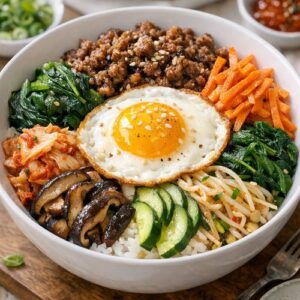
- Instruct everyone to use their spoon to thoroughly mix the entire bowl together, combining the rice, vegetables, beef, sauce, and egg yolk until everything is integrated. The warm rice will slightly cook the raw egg, creating a creamy, luxurious texture. Each bite should contain elements of everything. This is genuinely delicious, and more importantly, it's the moment where kids realize they've created something worth eating.

A simple side of Banh Mi Burger Recipe offers interesting textural contrast if you’re serving bibimbap for a special occasion. More commonly, I recommend keeping it simple with kimchi (if your family enjoys fermented foods), a small serving of steamed edamame, or fresh fruit for dessert.
- Fresh Fruit Plate – Sliced oranges, berries, or mandarin segments provide refreshing sweetness without heaviness. Kids love the visual contrast, and it adds vitamins the meal doesn’t emphasize. This feels like dessert to kids but is genuinely nutritious.
- Quick Pickled Vegetables – If you want to introduce more fermented elements, simple quick-pickled cucumber provides brightness and aids digestion. This is optional but genuinely delicious.
- Simple Miso Soup – A small cup of