Bulgogi Taco Recipe
This post contains affiliate links. As an Amazon Associate I earn from qualifying purchases.
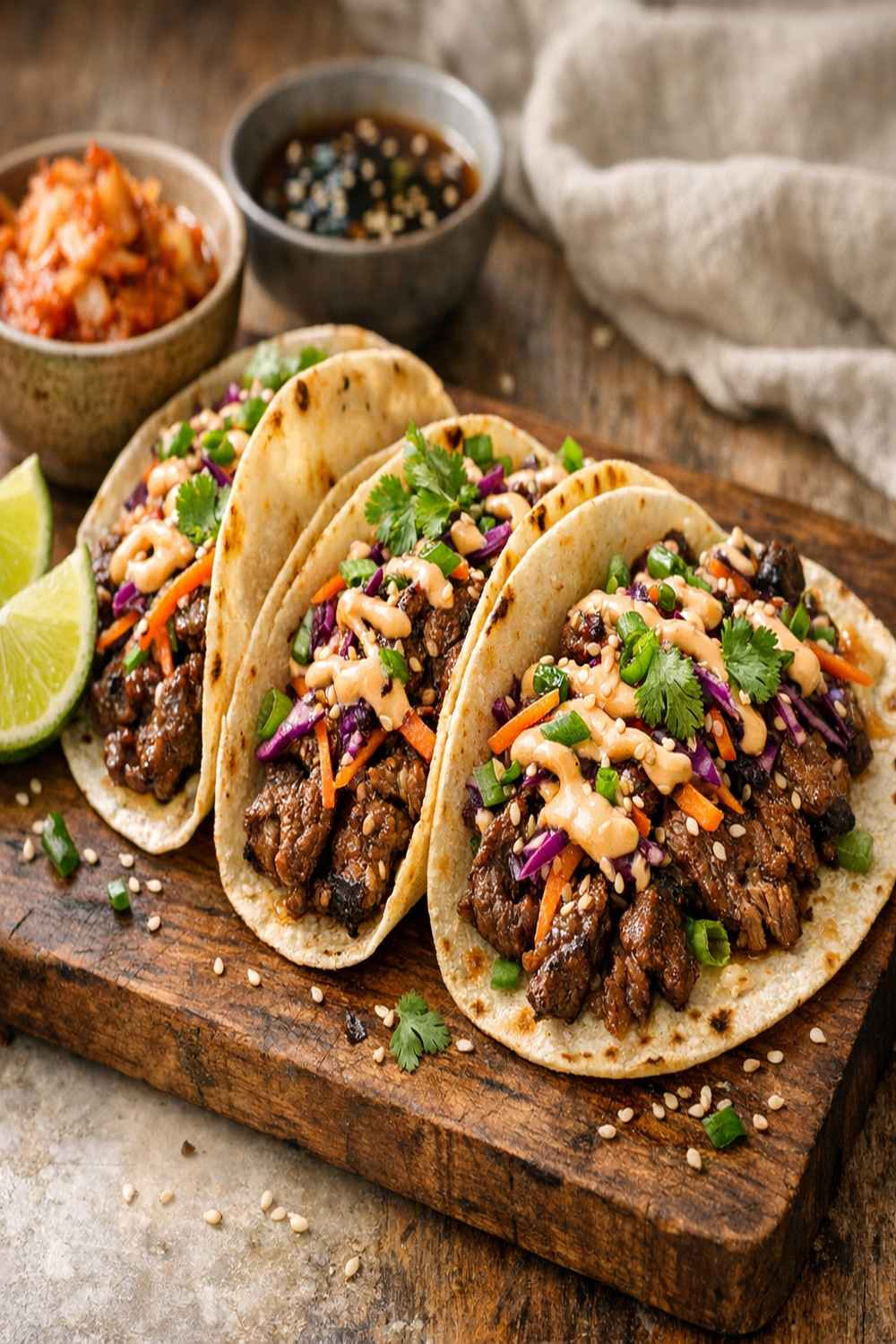
This bulgogi taco recipe brings together Korean and Mexican culinary traditions in a way that honors both cultures while creating something entirely new. I discovered this fusion years ago when a Korean friend and I were experimenting in my Worcester kitchen on a lazy Friday night. She’d brought over ingredients for bulgogi—that sweet, savory marinated beef that’s been warming Korean tables for generations—and I’d just picked up fresh flour tortillas from the market. We looked at each other and thought: why not? What emerged was magic. The umami-rich marinade of sesame oil and soy sauce melded beautifully with the warmth of traditional hand-held tacos, creating something that felt both deeply familiar and entirely surprising. This recipe has become my favorite way to show how food doesn’t belong to just one culture—it belongs to anyone willing to taste it with respect and an open heart. Much like the way I’ve seen adobo pork recipes evolve across different kitchens, bulgogi has traveled far beyond Korea’s borders, and here it finds a beautiful home nestled in warm tortillas.
Bulgogi Taco Recipe: Where Korean Meets Mexican
The story of this fusion starts in my kitchen, but really it begins with understanding two cultures that share something fundamental: they both know that the best meals happen when people gather around food made with intention. Korean cooking embraces the concept of banchan—those small side dishes that build layers of flavor—while Mexican cuisine celebrates bold, bright flavors and communal eating.
My grandmother taught me that cooking is about listening. Listening to how ingredients speak to each other. When I first tried pairing bulgogi with tacos, I wasn’t inventing something new—I was simply letting two traditions have a conversation. The caramelized edges of the beef, the sweetness of the marinade, the charred warmth of a toasted tortilla—these elements were always meant to understand each other.
I’ve made this fusion dozens of times now, and each time someone tastes it for the first time, they get that same spark of recognition I felt that night. It’s comfort, but elevated. It’s familiar, but surprising. It’s proof that food can be a bridge between worlds.
The Two Traditions Behind This Dish
To truly respect this fusion, we need to understand what each culinary tradition brings to the table. Korean cuisine, with roots stretching back thousands of years, emphasizes balance—balancing heat and cool, sweet and savory, fermented and fresh. Bulgogi specifically represents Korea’s love of grilled meats paired with complex marinades that transform simple ingredients into something transcendent.
Mexican cuisine, equally ancient and deeply spiritual, celebrates the connection between ingredients and land. Tacos—in their essence—are democracy on a plate: a vessel for whatever nourishment and joy you want to add. The tortilla isn’t a fancy container; it’s an invitation to make something your own.
- Korean contribution: The marinade technique—slow infusion of sesame oil, soy sauce, ginger, and garlic that creates caramelization and umami depth
- Mexican contribution: The hand-held format and bright, fresh toppings that add texture, acidity, and a celebratory spirit to every bite
Why This Fusion Works
From a nutritional and culinary science perspective, this fusion succeeds because it respects the flavor principles underlying both traditions. Korean marinades rely heavily on umami—that fifth taste created by soy sauce and sesame oil—while Mexican cuisine balances richness with brightness through lime, cilantro, and fresh vegetables.
The caramelized beef provides substantial protein and iron, while the crisp purple cabbage and avocado add fiber, healthy fats, and micronutrients. The low-and-slow marinating process—something my grandmother always emphasized—allows the collagen in the beef to break down gently, creating a more tender, flavorful result than rushed cooking ever could.
What makes this fusion truly work is that both traditions celebrate the same thing: transforming humble ingredients into nourishment that brings people together. The sweetness of the marinade mirrors the subtle sweetness in quality tacos. The sesame oil’s richness complements the fat in avocado. The heat and garlic in the marinade pair naturally with lime and cilantro. This isn’t forcing two things together; it’s recognizing they were always meant to meet.
The Ingredients—A Tale of Two Traditions
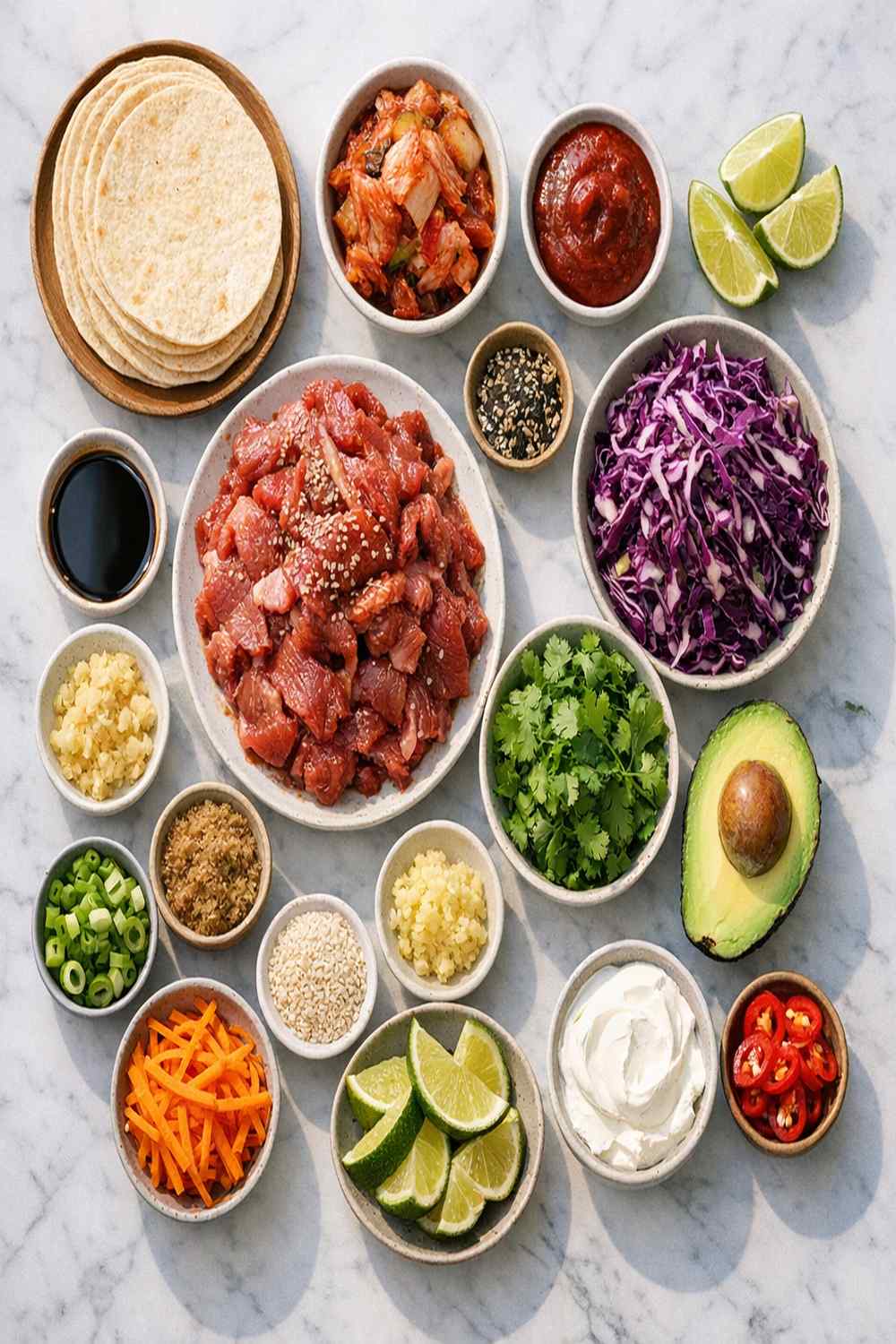
Every ingredient in this bulgogi taco recipe tells a story about where it comes from and what role it plays in creating this beautiful fusion. Some come directly from Korean cooking, while others represent Mexican tradition. And some, like the avocado, exist in both worlds.
- 1 teaspoon ground black pepper (freshly cracked is better, adds gentle heat)
- 1 small purple cabbage, thinly sliced (adds crunch, antioxidants, and that fresh Mexican brightness)
- 1 ripe avocado, sliced thin (brings richness and healthy fats)
- 4 tablespoons sesame oil (the heart of any authentic Korean marinade—use toasted for deeper flavor)
- 1/4 cup soy sauce (Korean or Japanese, providing umami and the savory backbone)
- 2 tablespoons fresh lime juice, plus lime wedges for serving (the brightness that makes everything sing)
- 1/4 cup packed light brown sugar (pressed firmly into the cup, brings the subtle sweetness that defines bulgogi)
- 4 garlic cloves, minced (a staple in both Korean and Mexican cooking—aromatic and warming)
- 1/4 cup hot water (helps the marinade penetrate the meat and dissolve the sugar)
- 1 teaspoon garlic powder (adds depth to the taco sauce without overwhelming)
- 1 teaspoon sriracha hot sauce (bridges both traditions—Korean-style heat with enough punch)
- 1/3 cup sour cream (the Mexican cool to the Korean heat)
- 1 1/2 pounds flank steak (sliced thin against the grain for that signature bulgogi texture)
- 1/4 cup mayonnaise (creates a creamy base for the sauce)
- 12 to 14 small flour tortillas, 6-inch size (or use corn for a gluten-free version, charred until slightly crisp)
- 1/3 bunch fresh cilantro leaves (the Mexican accent that brightens everything)
- 1 tablespoon fresh ginger, grated (optional but highly recommended for that authentic Korean warmth)
How to Make This Fusion Bulgogi Taco Recipe
Making this recipe is a journey through two culinary worlds, and I’ve learned through years of cooking that patience at the beginning creates magic at the end. This isn’t a dish to rush. The overnight marinade isn’t optional—it’s where the real transformation happens.
Step 1: Prepare Your Beef for the Marinade
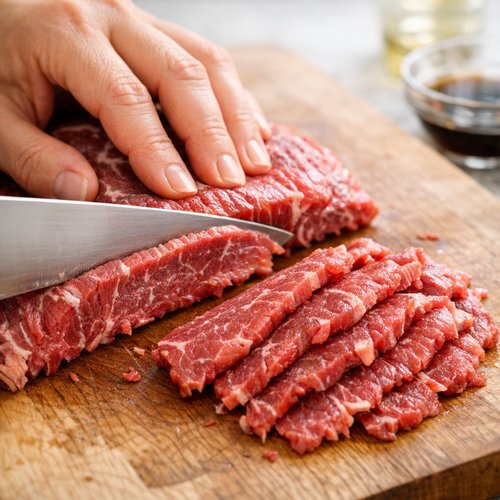
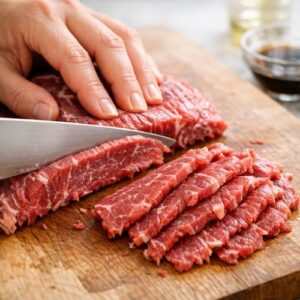
Start by slicing your flank steak very thin, cutting against the grain of the meat. This is crucial—the grain runs lengthwise through the muscle, and cutting against it breaks up the fibers, making every bite tender. I use a sharp knife and take my time here. Place your sliced beef in a medium bowl, and set it aside while you prepare the marinade. This is the Korean technique that ensures tender, almost melting texture when cooked.
Step 2: Build Your Marinade with Intention
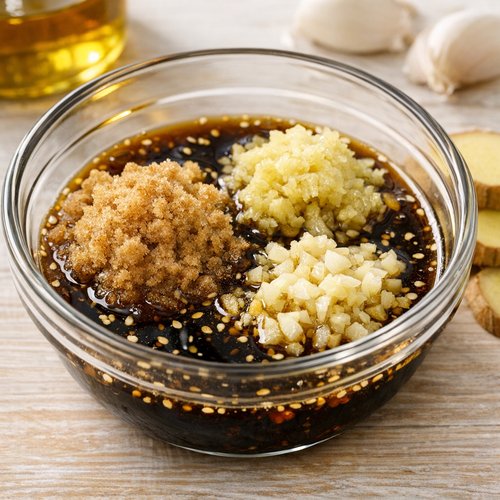
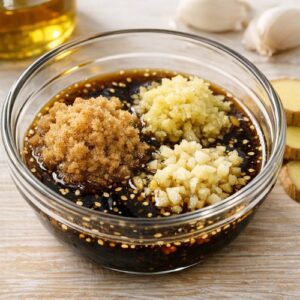
In a small bowl, combine your sesame oil, minced garlic, grated ginger, soy sauce, and packed brown sugar. This combination is the soul of Korean bulgogi—the sesame oil brings a toasted, nutty richness, while the soy sauce provides umami depth. The brown sugar isn’t just sweetness; it’s a tenderizer and a caramelizing agent that will create those gorgeous dark edges on your beef.
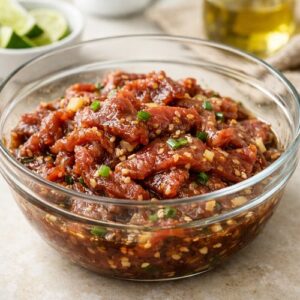
Stir this marinade together until the brown sugar completely dissolves into the liquid. Then add your black pepper and hot water, stirring again. The hot water helps distribute the flavors evenly and allows the sugar to fully incorporate. Taste it—it should smell like a Korean steakhouse, sweet and savory and deeply aromatic. Pour this marinade over your sliced beef and stir gently to ensure every piece gets coated.
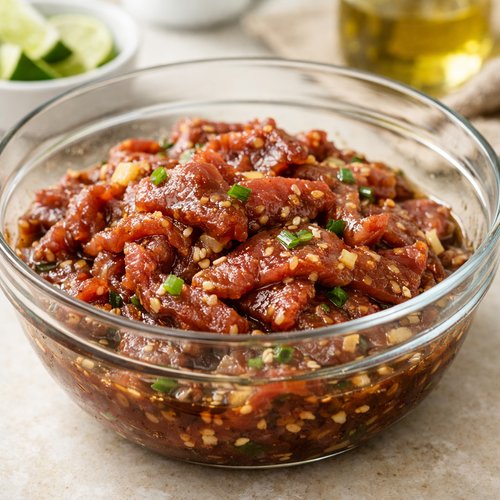
Now comes the hard part: cover the bowl and refrigerate for at least 4 hours, but ideally overnight. This is where my grandmother’s wisdom about low-and-slow cooking comes in. The long marinade allows the flavors to penetrate the meat fibers, tenderizing it further while infusing it with flavor from the inside out. I know overnight feels like a long time when you’re hungry, but I promise you—this wait is non-negotiable for the best results.
Step 3: Bring Your Beef to Room Temperature
About 30 minutes before you’re ready to cook, remove your marinated beef from the refrigerator and let it sit on the counter. This step is absolutely critical and is where many home cooks make their first mistake. Cold meat hitting a hot pan will cool the pan down, preventing proper caramelization. Room temperature meat will sizzle immediately, creating those beautiful browned edges that make bulgogi unforgettable.
While the beef is coming to temperature, prepare your taco toppings. Slice your purple cabbage into thin ribbons—thin enough that it’s almost translucent. Wash and roughly chop your cilantro. Slice your avocado just before assembly to prevent browning. Make your taco sauce by stirring together the sour cream, mayonnaise, garlic powder, sriracha, and fresh lime juice in a small bowl until smooth. This creamy, spicy, tangy sauce is where the Mexican flavors come alive.
Step 4: Sear Your Beef Until It Caramelizes
Heat a large, heavy non-stick pan over high heat. You don’t need to add any oil—the marinade has enough fat to cook the beef beautifully. Let the pan get genuinely hot; this is essential. You’ll know it’s ready when a single piece of beef placed in the center produces an immediate, strong sizzle.
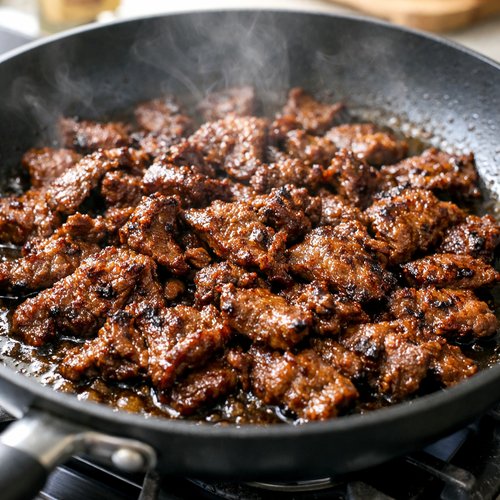
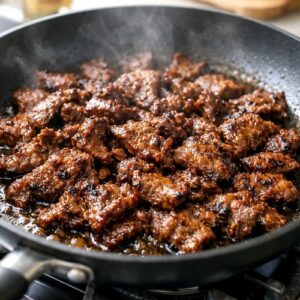
Once your pan is properly heated, add your beef in a single layer. Here’s where I learned something crucial from Korean cooking: don’t stir immediately. Let the meat sit undisturbed for 2-3 minutes. This allows the outside to caramelize, creating a flavorful crust. The Maillard reaction—that beautiful browning that happens when proteins and sugars interact with high heat—is creating layers of flavor that can’t be rushed.
After 2-3 minutes, when you see the meat is lightly browned on one side, stir it and continue cooking for another 3-5 minutes, stirring occasionally. The marinade will reduce, the liquid will evaporate, and the sauce will cling to the beef in a glossy, caramelized coating. This is how you know you’re done: the meat is fully cooked through, the liquid has nearly disappeared, and the sauce is thick and clinging to each piece. It should smell absolutely incredible—toasted and sweet and savory all at once.
Step 5: Toast Your Tortillas Until Charred
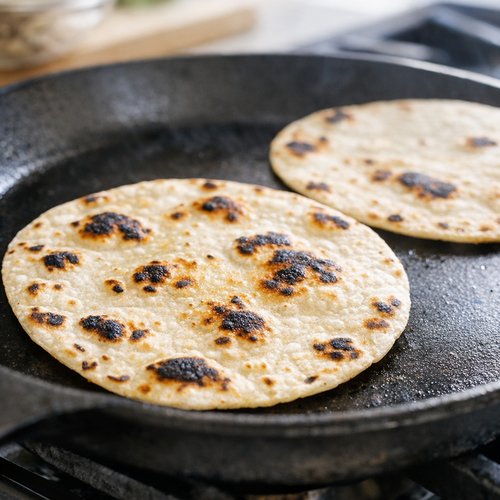
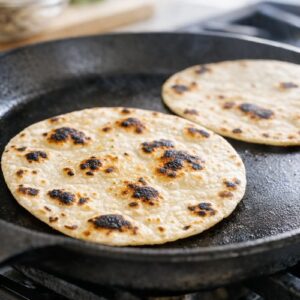
While your beef is finishing, take a clean skillet or griddle and heat it over medium-high heat. You don’t need any oil here either—just the dry heat of the pan. Tortillas cook quickly, so pay attention. Place one tortilla on the hot surface and let it sit for about 30 seconds, then flip and cook another 30 seconds. You’re looking for light charring and a slight crisp, not a completely hardened shell.
If you have a gas stovetop, you can hold the tortilla with tongs directly over the flame for a few seconds on each side—this creates beautiful charred spots and adds a subtle smokiness that brings in some of that Mexican grilled tradition. Stack your cooked tortillas on a clean kitchen towel to keep them warm and soft.
Step 6: Assemble Your Tacos with Generosity
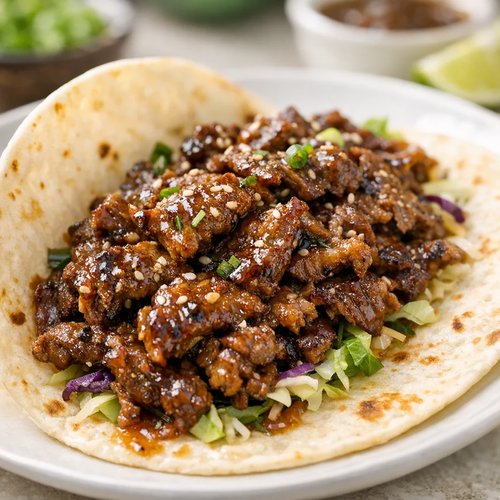
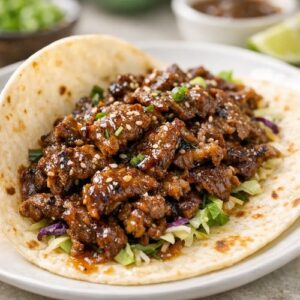
Place a warm tortilla on your plate and fill it with a generous portion of caramelized bulgogi beef—the marinade and all. The sauce clinging to the meat is liquid gold; don’t leave any behind. Top with a healthy handful of sliced purple cabbage. The crispness and slight bitterness of the raw cabbage creates a perfect textural and flavor contrast to the soft, sweet beef.
Add a few sprigs of fresh cilantro for brightness and a subtle anise-like aromatics. Layer in slices of ripe avocado—the creamy richness is essential for balancing all the savory and spicy elements. Finally, drizzle generously with your spicy, creamy taco sauce. The combination of that Korean-marinated beef with Mexican-inspired toppings and this bridging sauce is where the magic truly happens.
Finish with a squeeze of fresh lime juice if desired—the acidity wakes up every flavor and brings everything into focus. Serve immediately while the tortillas are still warm and the toppings are fresh.
Expert’s Nutritional Tip
As a registered dietitian, I want to highlight something important about this recipe: the soy sauce and sesame oil aren’t just flavor—they’re functional nutrition. Soy sauce contains isoflavones and amino acids that support bone health and may help with inflammation. Sesame oil is rich in sesamol and sesamin, compounds with strong antioxidant properties. The long marinating time actually increases the bioavailability of these compounds, making them easier for your body to absorb.
Additionally, the combination of the beef’s amino acids with the avocado’s healthy fats and the cabbage’s vitamin C creates a meal where your body can absorb the iron from the beef more efficiently. This isn’t just delicious; it’s intelligently nutritious. The purple cabbage, often overlooked, contains anthocyanins—pigments with powerful anti-inflammatory properties that give it that deep color.
Make-Ahead Guide
One of the best things about this recipe is how beautifully it handles make-ahead preparation. The marinade step is actually your friend here. You can marinate the beef up to 24 hours in advance, which means the hardest part is already done when you’re ready to cook.
Cook the beef completely and store it in an airtight container in the refrigerator for up to 3 days. When you’re ready to eat, simply reheat it gently in a pan over medium heat for 2-3 minutes with a splash of water to restore moisture. The flavors will actually deepen as it sits.
You can also prepare the purple cabbage slaw up to 4 hours ahead—just don’t dress it with the lime juice until right before serving, or it will become too soft. Make your taco sauce up to 2 days in advance and store it in an airtight container. The only things you want fresh are the cilantro and avocado, which should be prepared just before assembly.
For meal prep, I recommend keeping your marinated beef and cooked beef separate. Layer the cooked beef between parchment paper in a container so it doesn’t stick together. This way, you can reheat exactly what you need for any given meal, and leftover beef is perfect for grain bowls, salads, or even rice the next day.
Common Mistakes to Avoid
Mistake 1: Skipping the overnight marinade. I understand the temptation to cook immediately, but this is where the recipe loses its soul. Even 4 hours is better than nothing, but overnight truly is optimal. The marinade time allows the soy sauce and ginger to penetrate the beef’s muscle fibers, tenderizing it while infusing flavor. Skipping this step means your tacos will taste good, but they won’t taste transcendent.
Mistake 2: Cutting the beef with the grain instead of against it. This small technical detail makes an enormous difference in texture. If you cut with the grain, the beef becomes chewy and tough no matter how long you marinate it. Against the grain means every bite is tender and delicate. Take time to identify the grain direction in your flank steak—it runs lengthwise—and always cut perpendicular to those lines.
Mistake 3: Using cold beef straight from the refrigerator. I mentioned this before, but it’s important enough to repeat. Cold meat hitting a hot pan doesn’t sizzle properly, which means no caramelization, which means no flavor development. Those 30 minutes of room temperature rest aren’t wasted time; they’re investment in a better result.
Mistake 4: Over-stirring the beef while it cooks. Many home cooks stir constantly, thinking more movement means better cooking. In reality, you need those first 2-3 minutes of undisturbed cooking to build a flavorful crust through caramelization. Let the beef be.
Seasonal Variations
Spring: Replace some of the purple cabbage with thinly sliced radish and add fresh scallions to your taco. Radishes add a peppery crunch and pair beautifully with the sweet bulgogi. Spring vegetables are lighter, which feels right as the weather warms.
Summer: Add grilled corn kernels and roasted poblano peppers to your tacos. The charred, sweet corn complements the caramelized beef, and poblanos add smokiness. Consider making a corn tortilla version instead of flour for a lighter summer feel. A cold mexican beer or chelada pairs beautifully here.
Fall: Incorporate roasted, thinly sliced sweet potato into your tacos. The natural sweetness of roasted sweet potato echoes the brown sugar in the marinade while adding earthiness and warmth. Add crispy sage for an unexpected layer of complexity.
Winter: Use more generous portions of the creamy taco sauce to make the tacos richer and more warming. Add sautéed mushrooms (shiitake if you can find them) for umami and earthiness that complements the beef even further. Consider serving alongside a warm rice pilaf for additional body and comfort.
How to Customize the Fusion Ratio
One of the beautiful things about this recipe is that you can lean more heavily into whichever tradition speaks to your heart on any given day.
- More Korean: Increase the sesame oil to 6 tablespoons, add 1 tablespoon of Korean fish sauce to the marinade for additional umami, and reduce the lime juice in your sauce. Serve with a side of kimchi and rice instead of, or in addition to, the tacos. This version tastes more authentically Korean while still maintaining the taco format.
- More Mexican: Use corn tortillas instead of flour, increase the cilantro significantly, and make your taco sauce spicier by adding more sriracha or fresh jalapeños. Replace the avocado with a traditional guacamole. Add diced tomatoes and white onion for brightness. This version emphasizes the Mexican tradition while keeping the incredible bulgogi beef as the star.
- Perfectly Balanced: Follow the recipe as written—this is my ideal version where both traditions get equal voice and respect.
How to Customize Your Beef
While flank steak is my choice because of its ideal texture and fat content when sliced thin, you can use other cuts if needed. Sirloin tip or skirt steak work beautifully and are often less expensive. Whatever cut you choose, make sure to slice it very thin against the grain—this is non-negotiable for the bulgogi texture.
If you want to make this recipe even more Korean-authentic, look for bulgogi meat at Korean markets. It’s pre-sliced to the ideal thickness, which saves you time and ensures perfect results. The cost difference is often minimal, and the result is worth it.
Other Great Korean x Mexican Combinations
Once you discover how beautifully these two traditions speak to each other, you’ll start seeing fusion possibilities everywhere. Korean-braised short ribs with tortillas and kimchi slaw creates an incredible meaty taco with fermented brightness. Korean fried chicken in tortillas with gochujang mayo (Korean hot pepper paste mixed with mayo) and pickled vegetables is addictively crispy and spicy-savory.
Spicy pork belly with charred tortillas marinated in gochugaru (Korean red pepper flakes) and sesame oil, topped with cilantro and lime, brings a different dimension of heat and richness. And Korean egg-based pancakes (scallion or seafood jeon) wrapped in warm tortillas with sriracha mayo creates a textural experience that’s absolutely mesmerizing.
Each of these combinations respects both traditions while creating something that feels inevitable once you taste it—like you always knew these flavors belonged together.
Can I Store Bulgogi Taco Recipe?
Yes, and this is where the recipe’s make-ahead friendliness really shines. The cooked beef keeps beautifully for up to 3 days in the refrigerator in an airtight container. The flavors actually intensify as it sits, so day-two or day-three tacos are often even more delicious than the first day.
The raw marinated beef keeps for up to 24 hours in the refrigerator before cooking. Don’t freeze raw marinated beef, as the marinade’s salt content can affect the texture when frozen and thawed. However, cooked bulgogi beef freezes well for up to 2 months. Thaw it in the refrigerator overnight and reheat gently on the stovetop with a splash of water to restore moisture.
Individual component storage: Purple cabbage slaw keeps for 3-4 days without dressing, 1 day with dressing. Taco sauce keeps for up to 5 days in an airtight container. Cilantro and avocado should be added fresh on the day of serving. Tortillas are best fresh but keep wrapped in a clean kitchen towel at room temperature for up to 8 hours.
Nutrition Information
Based on USDA nutritional data, each serving (prepared with 2 tacos, including all toppings and sauce) contains approximately:
- Calories: 485
- Protein: 28g (from beef, supporting muscle maintenance and satiety)
- Fat: 24g (primarily from sesame oil and avocado—healthy unsaturated fats)
- Carbohydrates: 38g (from tortillas and vegetables)
- Fiber: 6g (from avocado and purple cabbage)
- Iron: 3.2mg (from beef, important for oxygen transport)
- Vitamin C: 28mg (from cilantro and lime)
- Sodium: 680mg (primarily from soy sauce in the marinade)
The traditional health benefits from Korean cuisine include the probiotic benefits of fermented ingredients (though not prominently featured in this version, the soy sauce provides some fermentation benefits) and the anti-inflammatory properties of sesame and ginger. Mexican tradition contributes the healthy fats and fiber from avocado, plus the capsaicin from peppers (in the sriracha), which supports metabolism and circulation.
This is a balanced meal that provides substantial protein for satiety, healthy fats for nutrient absorption and hormone health, and enough vegetables for fiber and micronutrients. The carbohydrates from the tortilla provide sustained energy without spiking blood sugar too rapidly, especially when eaten with the protein and fat in the tacos.
What to Serve With Bulgogi Taco Recipe?
These tacos are substantial enough to be a complete meal on their own, but there’s nothing wrong with building a spread that celebrates both culinary traditions.
- Kimchi slaw (Korean-style): Serves as a funky, spicy side that adds complexity to the meal. The fermented flavors deepen the overall experience and aid digestion.
- Mexican elote (charred corn with mayo and cheese): The richness and smokiness complement the sweet beef beautifully.
- Simple jasmine or short-grain rice: Serves as an anchor for those who want to eat the bulgogi over rice as well as, or instead of, in tacos.
- Pickled vegetables (either Korean-style or Mexican-style): The acidity cleanses the palate between bites.
- A cold beverage: A virgin margarita provides citrus brightness, while a cold Mexican beer (or the non-alcoholic version) pairs naturally with the fusion nature of the meal.
I often make a simple side of sautéed gai lan (Chinese broccoli) or regular broccoli with garlic and sesame oil—it bridges both traditions and adds a healthy green vegetable to the meal without overwhelming the star ingredient.

Bulgogi Taco Recipe
Ingredients
Method
- Start by slicing your flank steak very thin, cutting against the grain of the meat. This is crucial—the grain runs lengthwise through the muscle, and cutting against it breaks up the fibers, making every bite tender. I use a sharp knife and take my time here. Place your sliced beef in a medium bowl, and set it aside while you prepare the marinade. This is the Korean technique that ensures tender, almost melting texture when cooked.
- In a small bowl, combine your sesame oil, minced garlic, grated ginger, soy sauce, and packed brown sugar. This combination is the soul of Korean bulgogi—the sesame oil brings a toasted, nutty richness, while the soy sauce provides umami depth. The brown sugar isn't just sweetness; it's a tenderizer and a caramelizing agent that will create those gorgeous dark edges on your beef. Stir this marinade together until the brown sugar completely dissolves into the liquid. Then add your black pepper and hot water, stirring again. The hot water helps distribute the flavors evenly and allows the sugar to fully incorporate. Taste it—it should smell like a Korean steakhouse, sweet and savory and deeply aromatic. Pour this marinade over your sliced beef and stir gently to ensure every piece gets coated. Now comes the hard part: cover the bowl and refrigerate for at least 4 hours, but ideally overnight. This is where my grandmother's wisdom about low-and-slow cooking comes in. The long marinade allows the flavors to penetrate the meat fibers, tenderizing it further while infusing it with flavor from the inside out. I know overnight feels like a long time when you're hungry, but I promise you—this wait is non-negotiable for the best results.
- About 30 minutes before you're ready to cook, remove your marinated beef from the refrigerator and let it sit on the counter. This step is absolutely critical and is where many home cooks make their first mistake. Cold meat hitting a hot pan will cool the pan down, preventing proper caramelization. Room temperature meat will sizzle immediately, creating those beautiful browned edges that make bulgogi unforgettable. While the beef is coming to temperature, prepare your taco toppings. Slice your purple cabbage into thin ribbons—thin enough that it's almost translucent. Wash and roughly chop your cilantro. Slice your avocado just before assembly to prevent browning. Make your taco sauce by stirring together the sour cream, mayonnaise, garlic powder, sriracha, and fresh lime juice in a small bowl until smooth. This creamy, spicy, tangy sauce is where the Mexican flavors come alive.
- Heat a large, heavy non-stick pan over high heat. You don't need to add any oil—the marinade has enough fat to cook the beef beautifully. Let the pan get genuinely hot; this is essential. You'll know it's ready when a single piece of beef placed in the center produces an immediate, strong sizzle. Once your pan is properly heated, add your beef in a single layer. Here's where I learned something crucial from Korean cooking: don't stir immediately. Let the meat sit undisturbed for 2-3 minutes. This allows the outside to caramelize, creating a flavorful crust. The Maillard reaction—that beautiful browning that happens when proteins and sugars interact with high heat—is creating layers of flavor that can't be rushed. After 2-3 minutes, when you see the meat is lightly browned on one side, stir it and continue cooking for another 3-5 minutes, stirring occasionally. The marinade will reduce, the liquid will evaporate, and the sauce will cling to the beef in a glossy, caramelized coating. This is how you know you're done: the meat is fully cooked through, the liquid has nearly disappeared, and the sauce is thick and clinging to each piece. It should smell absolutely incredible—toasted and sweet and savory all at once.
- While your beef is finishing, take a clean skillet or griddle and heat it over medium-high heat. You don't need any oil here either—just the dry heat of the pan. Tortillas cook quickly, so pay attention. Place one tortilla on the hot surface and let it sit for about 30 seconds, then flip and cook another 30 seconds. You're looking for light charring and a slight crisp, not a completely hardened shell. If you have a gas stovetop, you can hold the tortilla with tongs directly over the flame for a few seconds on each side—this creates beautiful charred spots and adds a subtle smokiness that brings in some of that Mexican grilled tradition. Stack your cooked tortillas on a clean kitchen towel to keep them warm and soft.
- Place a warm tortilla on your plate and fill it with a generous portion of caramelized bulgogi beef—the marinade and all. The sauce clinging to the meat is liquid gold; don't leave any behind. Top with a healthy handful of sliced purple cabbage. The crispness and slight bitterness of the raw cabbage creates a perfect textural and flavor contrast to the soft, sweet beef. Add a few sprigs of fresh cilantro for brightness and a subtle anise-like aromatics. Layer in slices of ripe avocado—the creamy richness is essential for balancing all the savory and spicy elements. Finally, drizzle generously with your spicy, creamy taco sauce. The combination of that Korean-marinated beef with Mexican-inspired toppings and this bridging sauce is where the magic truly happens. Finish with a squeeze of fresh lime juice if desired—the acidity wakes up every flavor and brings everything into focus. Serve immediately while the tortillas are still warm and the toppings are fresh.
FAQs
Can I use a different cut of beef for bulgogi tacos?
Absolutely. The key is to choose a cut that’s either naturally tender or benefits from thin-slicing against the grain. Sirloin tip, skirt steak, and ribeye all work beautifully. Avoid tougher cuts like chuck or brisket unless you’re willing to cook them much longer using different methods. The thinness and the grain-direction of the slice matters more than the specific cut. Korean markets often sell pre-sliced bulgogi meat, which takes the guesswork out entirely.
What’s the difference between using sesame oil and regular oil in the marinade?
Everything. Regular oil is neutral and flavorless. Sesame oil—particularly toasted sesame oil—brings a nutty, aromatic quality that’s foundational to authentic bulgogi. It’s not just about taste; sesame oil has a lower smoke point, but in a marinade, this doesn’t matter because we’re not cooking the oil directly. The investment in good sesame oil is absolutely worth it. A small bottle goes a long way, and it elevates not just this recipe but many others in your kitchen.
Can I make this recipe without brown sugar?
Technically yes, but the result won’t be the same. You could substitute honey or regular sugar, though you’d lose the slight molasses notes that brown sugar brings. The sugar serves two purposes: it sweetens the marinade (bringing balance to the salty soy sauce), and it caramelizes during cooking, creating those gorgeous brown, flavorful edges on the beef. If you absolutely must substitute, use the same amount of honey or regular sugar, but understand you’re deviating from the traditional recipe.
Is this recipe authentic Korean or authentic Mexican?
It’s neither, and that’s entirely the point. This is a respectful fusion that honors elements of both traditions while creating something new. Authentic bulgogi doesn’t typically appear in tortillas, and authentic Mexican tacos don’t traditionally use sesame oil marinades. But fusion cooking, done with respect and knowledge of both traditions, creates something valid and delicious in its own right. I make this when I want the best of both worlds, not when I’m seeking strict authenticity.
How spicy is this recipe as written?
The recipe as written is mildly spicy, primarily from the black pepper in the marinade and the sriracha in the sauce. It’s definitely not mild—there’s enough heat to be noticeable—but it’s not aggressive. If you’re heat-sensitive, reduce or eliminate the sriracha. If you love heat, increase the sriracha, add fresh jalapeños to the sauce, or incorporate gochugaru (Korean red pepper flakes) into the marinade for more authentic Korean heat. The beauty of this recipe is its flexibility to match your heat preferences.
What’s the best way to reheat leftover bulgogi?
Gently is the key word. Place your cold bulgogi in a pan over medium heat and add a splash of water or beef broth. Stir occasionally until warmed through, about 3-4 minutes. The water prevents the beef from drying out and helps redistribute the sauce. You can also reheat it in a microwave-safe container in the microwave for 1-2 minutes, stirring halfway through, though stovetop reheating yields better texture. Never use high heat for reheating—you’ll toughen the meat and cook away moisture.
More Fusion Recipes You’ll Love
- Asian Beef Shank Recipe – A slow-cooked, deeply flavored beef dish that shares bulgogi’s rich marinade philosophy but uses a different cut and longer cooking method
- BBQ Chinese Pork Recipe – Another Asian marinade-based dish that celebrates caramelization and sweet-savory balance similar to bulgogi
- Baozi Recipe Vegetarian – While vegetarian, this steamed bun recipe shows how Asian cuisines embrace hand-held, customizable eating formats much like tacos
Conclusion
Food is one of humanity’s greatest bridges. This bulgogi taco recipe represents something I’ve come to believe deeply: that culture doesn’t own ingredients or techniques—people do, and people are generous when it comes to food. My Korean friend who inspired this dish didn’t guard her bulgogi recipe; she shared it. And I didn’t gate-keep tacos; I welcomed them into my kitchen with open arms.
Standing in my Worcester kitchen now, thinking back to that first night we created this fusion, I’m reminded of something my grandmother told me many years ago: “Good food doesn’t ask where it comes from. It just asks to be made with love and shared with people you care about.”
These tacos are proof of that wisdom. Make them with intention. Take time with the marinade. Don’t rush the caramelization. Toast your tortillas until they smell like summer. And when someone tastes these for the first time, watch their face as two culinary worlds suddenly make perfect