Beef Lo Mein Recipe
This post contains affiliate links. As an Amazon Associate I earn from qualifying purchases.
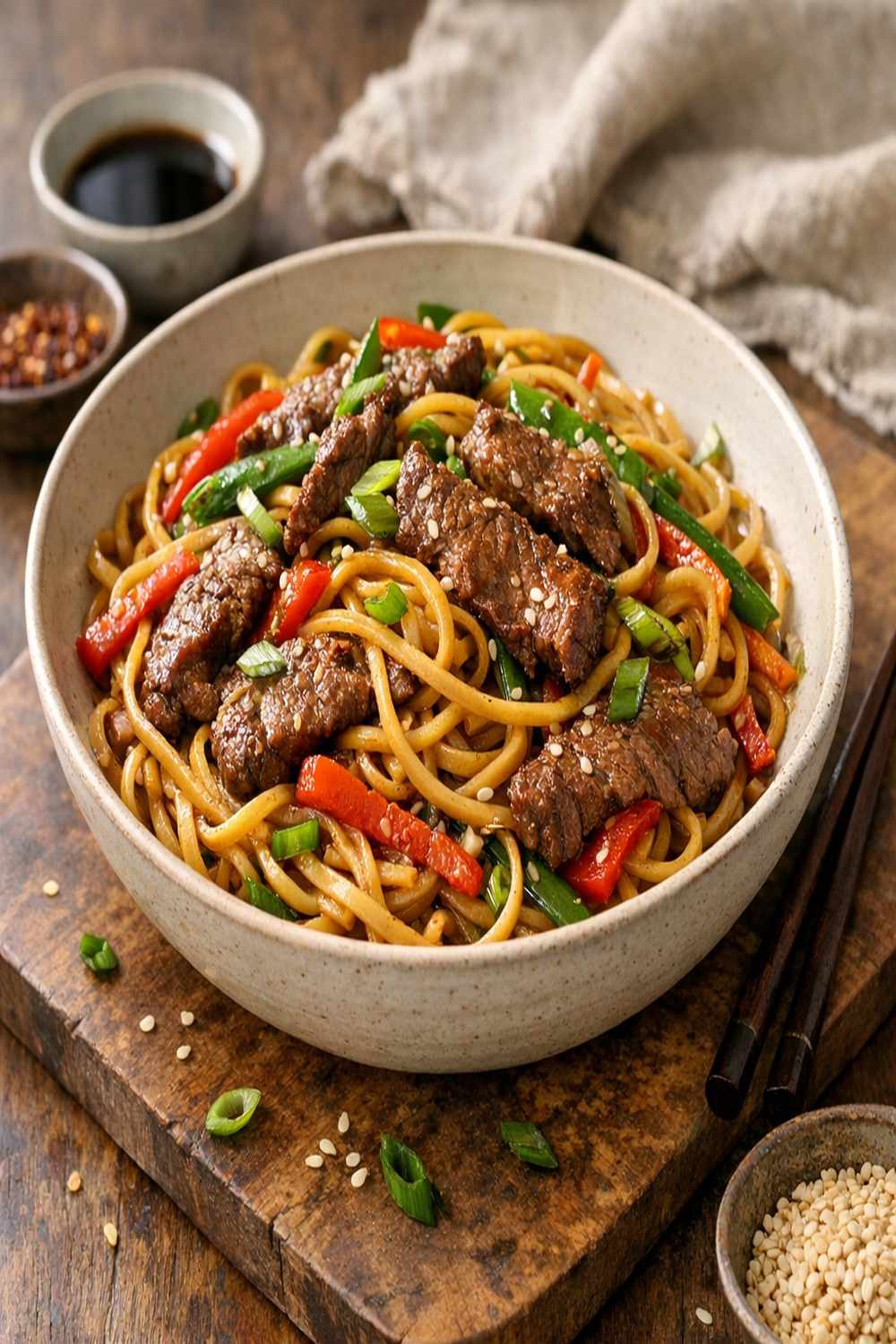
I still remember standing on a wooden stool in my grandmother’s kitchen on Elm Street in Worcester, watching her transform a handful of noodles into something transcendent. She’d grip the wok handle with one weathered hand, her other moving with the precision of a conductor, and somehow—without measuring a single thing—she’d create this dish that made the whole house smell like home. Beef lo mein wasn’t just dinner at our table; it was her love language, a way of saying I’ve thought about feeding you well. That same spirit is what I carry into my practice as a registered dietitian today, honoring those low-and-slow traditions while understanding the nutrition that makes them truly nourishing.
Authentic Beef Lo Mein Recipe: The Story Behind the Dish
My connection to beef lo mein runs deeper than nostalgia. Growing up, I watched my grandmother use this one-pan wonder as her canvas for seasonal vegetables, tender beef, and those silky noodles that seemed to absorb every drop of flavor she poured into them. But it wasn’t until I began studying nutrition science that I truly understood why this dish has sustained families across generations. The combination of lean protein, complex carbohydrates from the noodles, and nutrient-dense vegetables creates a meal that’s both satisfying and genuinely good for your body.
When I started my career as a dietitian, I realized that authentic comfort food and balanced nutrition aren’t opponents—they’re partners. Lo mein, in particular, taught me that traditional cooking methods often align perfectly with what modern nutrition science tells us works best. My grandmother was intuitively creating balanced meals long before macros became fashionable.
The History and Cultural Significance of Beef Lo Mein Recipe
Beef lo mein carries the soul of Chinese-American culinary history, yet its roots run deep into the streets of Guangzhou and beyond. The dish emerged from the fried noodle traditions of Cantonese cooking, where lo mein literally translates to “tossed noodles.” What makes this particular preparation special is its evolution in North American Chinese restaurants during the mid-20th century, where Chinese immigrants adapted their treasured recipes using available ingredients while maintaining the essential character of the original technique.
The beauty of lo mein lies in its flexibility—it’s a dish born from necessity and resourcefulness. Chinese laborers working on American railroads and in early 20th-century restaurants created versions using whatever proteins and vegetables they could source, turning humble ingredients into something magnificent. By the 1950s and 60s, beef lo mein became a staple in American-Chinese dining, eventually finding its way into home kitchens like my grandmother’s, where it became something even more precious: a family tradition.
What I’ve learned through my research and my grandmother’s kitchen is that lo mein represents something profound about food culture—it’s a bridge between heritage and adaptation, between old-world technique and new-world ingredients. This is why I’m so passionate about teaching people how to make it authentically at home, where every element can be honored and controlled.
What Makes an Authentic Beef Lo Mein Recipe
There’s a significant difference between authentic beef lo mein and the version many of us grew up ordering from takeout containers. The real thing depends on technique, timing, and understanding why each step matters. My grandmother taught me that authenticity isn’t about being rigid—it’s about respecting the tradition while working with what you have.
- The Wok Technique – True lo mein relies on high heat and constant motion. The wok’s curved shape and sloped sides allow you to keep ingredients moving, which prevents sticking and ensures even cooking. This high-heat method is what creates those slightly charred edges on the noodles that give the dish its signature texture. When you cook slowly and gently at home, you’re actually honoring the traditional method—the opposite of what many restaurants do.
- Fresh Noodles or Properly Cooked Dried Ones – Authenticity means understanding that lo mein noodles should be tender but still have a slight firmness. They’re not meant to be mushy, and they’re not meant to be al dente either. There’s a specific texture that develops when noodles are cooked to just the right point, drained, and then tossed with sauce and heat. This is where patience matters.
- The Sauce Balance – Authentic lo mein sauce isn’t one-dimensional. It should have umami depth (from the beef broth), slight sweetness (balanced, not cloying), saltiness (from soy), and a touch of sesame richness. My grandmother never used bottled oyster sauce for this dish—she built her flavor from the ground up, which is why I recommend doing the same.
- Meat-First Cooking – Traditionally, the protein is cooked first and set aside, then vegetables are cooked in the remaining fat. This isn’t just for convenience; it’s because the meat’s rendered fat carries flavor that seasons everything else. This low-and-slow philosophy ensures nothing burns while everything develops proper flavor.
The Ingredients – Sourcing the Real Thing
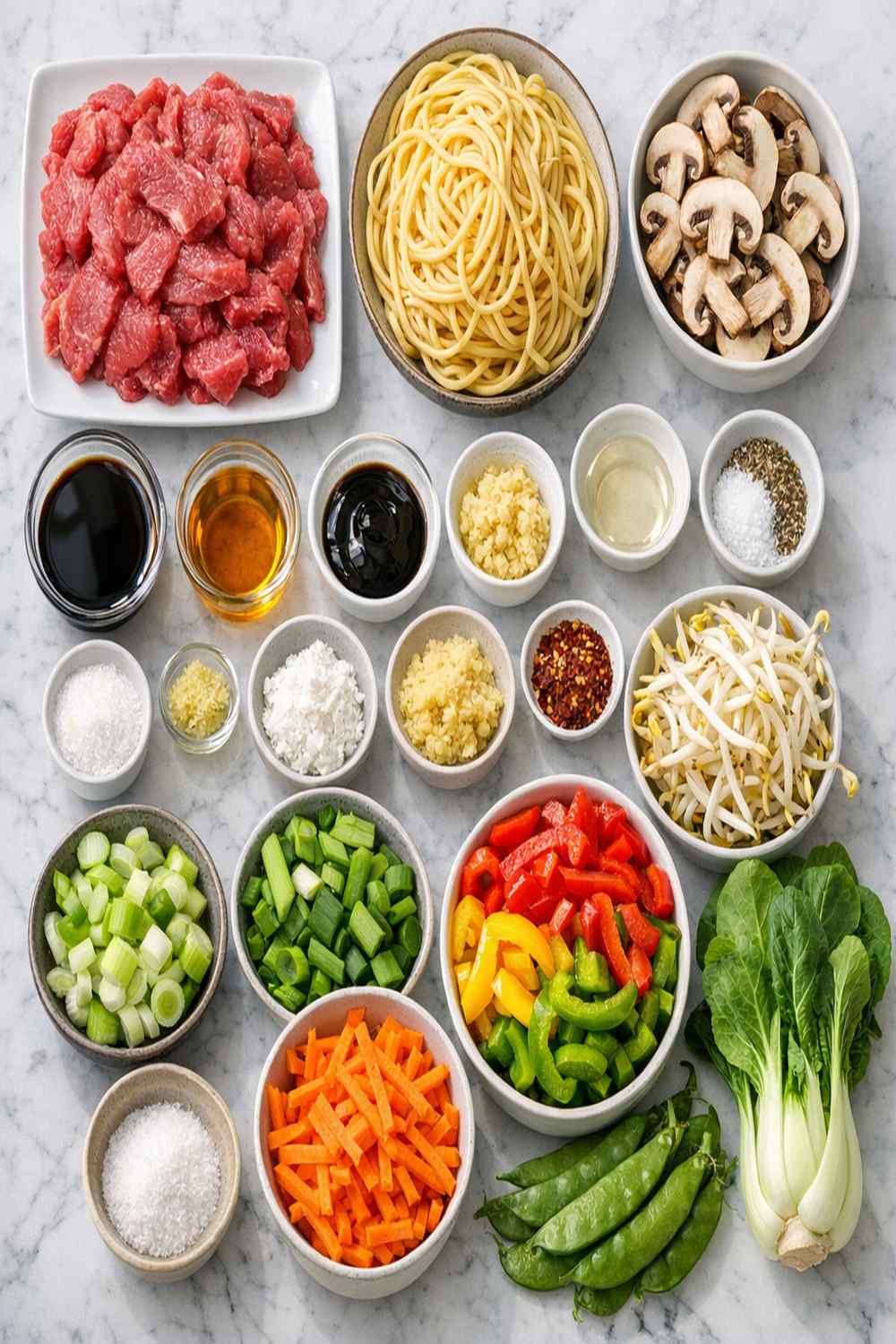
I’ve learned through years of practice that sourcing quality ingredients transforms this dish from good to extraordinary. You don’t need specialty Asian markets for most of these items—your regular grocery store likely carries everything you need. However, understanding where to find authentic versions and what substitutions work best will elevate your cooking. I always encourage people to visit their local Asian markets if available; the staff can guide you toward fresher noodles and higher-quality sesame oil, and you’re supporting your community in the process.
- 2 large carrots (cut into thin, uniform pieces so they cook evenly and maintain a slight crunch)
- ¼ cup water (heated to dissolve the concentrate properly)
- 1 pound beef sirloin or flank steak (thinly sliced against the grain, which breaks down muscle fibers and ensures tenderness)
- 2 tablespoons sesame or olive oil (for cooking; sesame oil burns at high heat, so reserve it for finishing)
- 4 garlic cloves (minced finely, though my grandmother always pressed hers directly into the hot pan)
- 2 cups fresh broccoli florets (small pieces that absorb sauce better than large chunks)
- 8 ounces lo mein noodles or fresh Chinese egg noodles (cooked just until tender, then drained well to prevent sogginess)
- 1 large yellow onion (diced into consistent sizes for even cooking)
- 1 tablespoon beef bone broth concentrate or quality beef bouillon (creates the umami backbone of the sauce)
- 1 teaspoon rice vinegar (optional but traditional; adds brightness to the finished dish)
- ⅛ teaspoon white pepper (adds subtle heat without the harsh bite of black pepper)
- 1 teaspoon sesame oil (for finishing; this is essential and shouldn’t be skipped)
- 3 tablespoons soy sauce (use a good-quality brand; the difference is noticeable)
- 2 tablespoons brown sugar (provides depth and balances the salt from soy)
Serves 4 people with moderate appetites, or 3 if you’re particularly hungry. This is a one-bowl meal when served with simple steamed vegetables on the side.
The Traditional Method: How to Make Authentic Beef Lo Mein Recipe
I want you to approach this recipe the way my grandmother taught me: with intention and presence. This isn’t fast food, even though it comes together relatively quickly. Every step has a purpose rooted in tradition. When you understand the why behind each movement, you’re not just following instructions—you’re participating in a cooking tradition that stretches back generations.
Step 1: Build Your Sauce Foundation
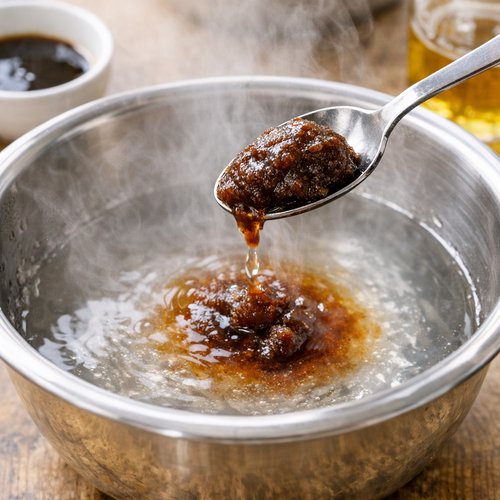
Begin by heating ¼ cup of water until it’s steaming—this is your blank canvas. Add your beef bouillon or broth concentrate to the hot water and stir until it completely dissolves. There should be no grainy texture remaining. This step matters because the heat helps the concentrate dissolve fully, whereas cold water would leave it lumpy and uneven.
Once dissolved, add your brown sugar and stir thoroughly. The sugar won’t dissolve completely into the broth, and that’s exactly what you want—it will dissolve fully when the mixture heats again later. Now pour in your soy sauce and add a pinch of white pepper. Finally, stir in the rice vinegar if using. Set this mixture aside where it will stay warm. This is your liquid gold, the foundation that will make every element sing together.
Step 2: Prepare Your Ingredients with Intention
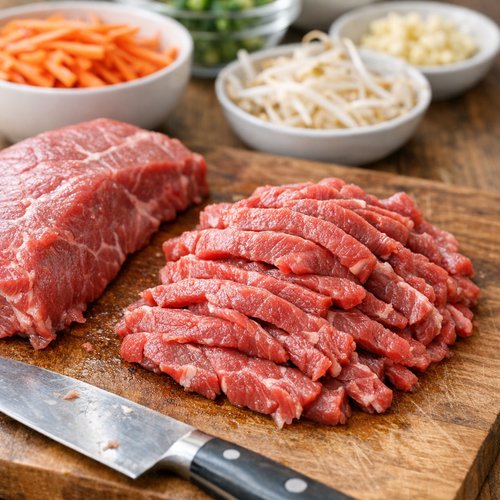
While your sauce sits, prepare everything else. This is the most important step for low-and-slow cooking at home. Slice your beef sirloin or flank steak as thinly as you can manage—I like to partially freeze mine for 15 minutes first, which makes slicing much easier and creates those paper-thin pieces that cook in seconds. Cut against the grain, which means reading the lines in the meat and slicing perpendicular to them. This breaks down muscle fibers and results in incomparably tender meat.
Cut your carrots into pieces about the size of a pencil, roughly an inch and a half long. Cut your broccoli into small florets, no larger than a walnut. Dice your onion into chunks about the same size as your carrot pieces. Mince your garlic finely or have it ready to press. The size consistency matters more than you might think—uniform pieces cook at the same rate, ensuring nothing is mushy while something else remains hard.
Step 3: Cook Your Noodles to Perfect Tenderness
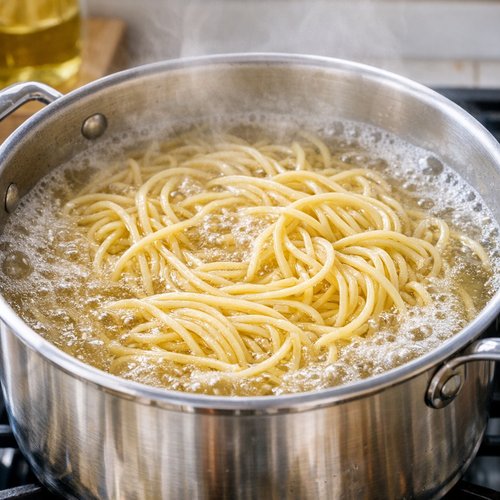
Bring a large pot of salted water to a rolling boil. Add your lo mein noodles and cook according to package directions, but check them a minute before the recommended time. Authentic lo mein noodles should be tender but not soft—there’s a subtle difference. When a noodle bends easily but still has a tiny bit of resistance in the center, they’re perfect. Drain them completely in a colander and set aside. Don’t rinse them unless they’re overly sticky—the starch on their surface helps the sauce cling to them later.
Step 4: Sear Your Beef with High Heat
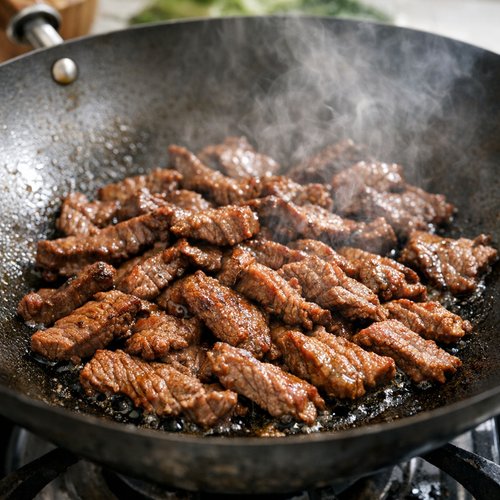
Heat a large skillet or wok over medium-high heat. Once it’s hot enough that a drop of water sizzles immediately, add 1 tablespoon of your cooking oil. Wait 30 seconds for the oil to heat through. This is crucial—cold oil in a hot pan creates that proper sear.
Working in batches if necessary (never crowd the pan), add your sliced beef. Let it sit undisturbed for 30 seconds before stirring. This creates a light golden crust. Stir and cook for another minute until the beef is mostly opaque with just a hint of pink inside. The residual heat will continue cooking it. Remove it to a plate and set aside. Don’t worry about it being fully cooked through—it will finish cooking when combined with the vegetables and sauce.
Step 5: Build Flavor Through Layered Cooking
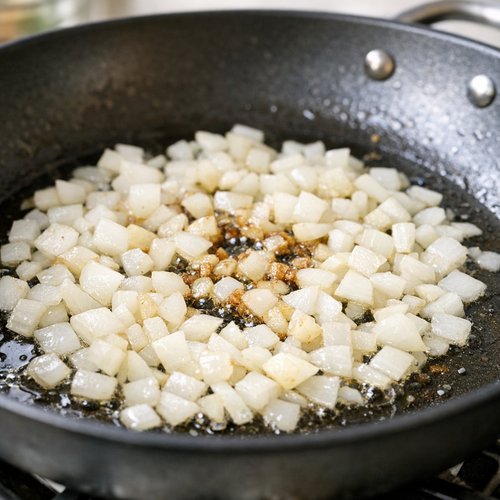
In the same skillet, add another ½ tablespoon of oil. Add your diced onion and cook without stirring for two full minutes. This is a technique my grandmother swore by—letting the onion develop color and sweetness rather than constantly moving it around. After two minutes, stir and cook for another minute until the onion is golden and becoming translucent at the edges.
Push the onion to the sides of the skillet and add your carrot pieces. Again, let them sit undisturbed for about a minute, then stir and cook for another two minutes. The carrots should be starting to soften but still maintain their structure. Add your broccoli florets and cook, stirring occasionally, for about three minutes. The broccoli should be bright green and slightly tender.
Now press or mince your garlic directly into the pan with the vegetables. Stir constantly for about 30 seconds—this is just long enough to awaken the garlic’s flavor without letting it burn. Burned garlic tastes bitter and harsh, which is why timing matters so much here.
Step 6: Bring Everything Together
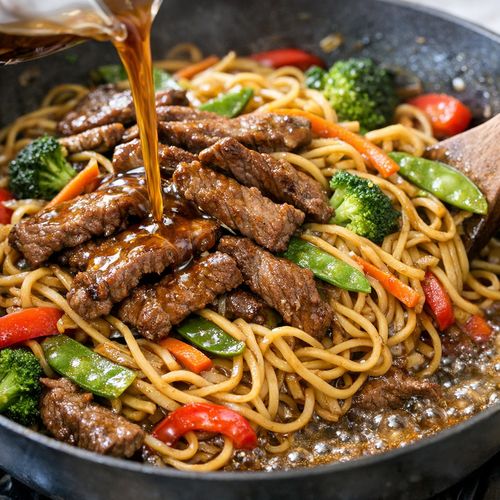
Return your cooked beef to the skillet with all the vegetables. Pour your prepared sauce over everything and stir gently. The mixture should bubble slightly around the edges. Let it simmer, stirring occasionally, for about two minutes. This allows the flavors to meld and the sauce to coat everything evenly. You should see the sauce thickening slightly—this is the starch from the vegetables and the natural gelatin from the broth concentrate doing its work.
Add your cooked noodles to the skillet. Using tongs or two wooden spoons, toss everything together gently but thoroughly, making sure every noodle gets coated with sauce and every piece of vegetable is distributed throughout. This should take about a minute of gentle tossing.
Finally, drizzle the sesame oil over the top and toss one final time. The sesame oil should be added at the very end—it’s a finishing touch that adds aroma and richness. This is what my grandmother meant by “tying the dish together.”
Step 7: Serve Immediately
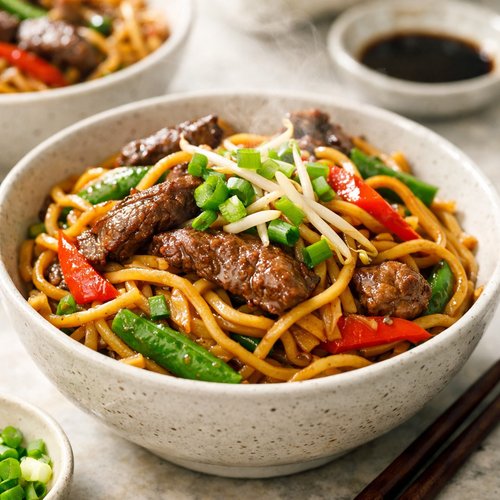
Divide the lo mein among serving bowls while it’s still hot. The heat helps release the aromas and keeps the noodles at their most tender. Serve immediately with chopsticks or a fork, depending on your preference. There’s something important about eating this dish while it’s warm—not piping hot, but genuinely warm. That’s when all the flavors are most alive.
Regional Variations Around the World
Lo mein isn’t a monolithic dish—it changes across regions, and understanding these variations helps you appreciate the tradition more deeply. When I studied nutrition and food cultures, I discovered that these regional differences often reflect what ingredients were abundant in each area.
- Cantonese Style (Southern China) – The original version uses fresh noodles and emphasizes seafood and vegetables over heavy meat. The sauce is lighter, designed to let individual ingredient flavors shine. My grandmother actually preferred this approach, using less sauce overall and relying on the quality of her ingredients to carry the dish.
- American-Chinese Adaptation – This is what most of us grew up eating. It typically includes more sauce, softer noodles, and heartier proteins like beef or chicken. It’s not “inauthentic”—it’s adapted to American tastes and available ingredients. This version is what I teach most often because it’s what people actually make at home.
- Shanghai Style – Shanghai lo mein tends to be slightly sweeter and includes darker soy sauce, which gives it a richer color. They often add more oil, creating a glossier finish. Shanghai cooking, in general, is known for balancing sweetness with umami, which explains why their lo mein hits differently.
- Malaysian and Southeast Asian Versions – In Malaysia, you’ll find lo mein with more chili heat and sometimes the addition of shrimp or seafood. The sauce might include a touch of tamarind for brightness. These adaptations show how the dish travels and transforms based on local flavor preferences.
Traditional Serving Customs
In Chinese dining culture, lo mein is typically served as a main course, often as the final dish in a multi-course meal. My grandmother always served hers on a large platter family-style, letting everyone serve themselves from the center of the table. This tradition emphasizes community and sharing—there’s something about gathering around food that’s been made with care that brings people closer together.
Traditionally, lo mein is accompanied by simple sides: perhaps steamed bok choy with a touch of garlic oil, or sliced cucumber with a light vinegar dressing. These simple vegetables provide contrast to the richness of the noodle dish. Some families include small bowls of chili oil or hot sauce for those who want additional heat.
The eating experience itself is important. Proper lo mein etiquette (if you want to be traditional about it) involves using chopsticks to twirl small portions onto a spoon, then eating from the spoon. This isn’t just fussy—it’s a practical method that keeps sauce from dripping and allows you to eat with one hand while holding a rice bowl in the other. However, in American homes, forks work perfectly well, and my grandmother never minded how her family ate the food she made—only that they enjoyed it.
Can I Store Beef Lo Mein Recipe?
Yes, and I encourage you to make extra for this very reason. Beef lo mein keeps beautifully in the refrigerator for up to four days when stored in an airtight container. The flavors actually deepen slightly after a day, making leftovers delicious.
To reheat, I recommend one of two methods: either reheat gently in a skillet over medium heat with a splash of water or low-sodium broth, or microwave in a covered container for 2-3 minutes, stirring halfway through. The skillet method preserves texture better, but the microwave is faster on busy mornings.
Freezing is possible for up to three months, though I’ve found the texture of the noodles changes slightly—they become softer after thawing. The flavors remain excellent, so if you’re making this for meal prep, it’s still worthwhile. Thaw in the refrigerator overnight, then reheat using the methods above.
One important note: don’t store the noodles and sauce separately unless you specifically want them that way for meal prep purposes. The noodles absorb sauce over time, which actually improves the dish. Some of my clients who do meal prep prefer to store them together for exactly this reason.
Nutrition Information
Based on USDA data, each serving of beef lo mein (serving size approximately 2 cups) contains roughly:
- 420 calories
- 24 grams protein
- 48 grams carbohydrates
- 12 grams fat
- 4 grams dietary fiber
- 890 milligrams sodium
What I love about this nutritional profile is how well it reflects the traditional wisdom embedded in this dish. The balance of lean protein from the beef, complex carbohydrates from the noodles, and micronutrients from the vegetables creates a meal that provides sustained energy without a blood sugar spike. This is why lo mein appears so frequently in the diets of cultures with exceptional longevity records.
The vegetables provide important micronutrients: carrots offer beta-carotene for eye health, broccoli provides vitamin C and sulforaphane (a powerful phytonutrient), and the garlic contributes allicin, which has antimicrobial properties. The sesame oil adds compounds linked to improved cholesterol profiles. The beef provides not just protein but also iron, zinc, and B vitamins that plant-based proteins alone cannot provide as efficiently.
The sodium content may seem high, but remember that this comes primarily from the soy sauce and broth, both traditional components. If you’re watching sodium intake, you can reduce the soy sauce slightly and increase the rice vinegar for brightness, or use low-sodium soy sauce without significantly compromising flavor.
Expert’s Nutritional Tip
As a registered dietitian, I want to highlight something that often gets overlooked: the combination of lean beef with high-heat cooking and immediate cooling creates an optimal amino acid profile. The beef provides all nine essential amino acids, and when combined with the noodles’ carbohydrates, your body absorbs these amino acids more efficiently. This is why traditional cultures paired proteins with starches—not because they understood biochemistry, but because they understood what made people feel strong and sustained. That’s nutritional wisdom worth respecting.
What Can I Serve With Beef Lo Mein Recipe?
While lo mein is essentially a complete meal on its own, traditional accompaniments enhance the experience. Growing up, my grandmother always prepared simple sides that provided contrast and variety in texture and flavor.
Steamed bok choy or gai lan (Chinese broccoli) with a drizzle of sesame oil and minced garlic is traditional. The slight bitterness of these greens balances the richness of the noodle dish beautifully. If you want something even simpler, sliced cucumber with a light vinegar and sesame oil dressing is refreshing and authentic.
Many families serve a soup alongside lo mein—typically a light chicken or vegetable broth with a few vegetables or a bit of meat. This might seem redundant, but the warm broth actually aids digestion and provides additional hydration, which is why it’s such a traditional pairing.
If you’re looking for protein variety, consider pairing your lo mein with dishes like BBQ Chinese Pork Recipe if you’re making multiple dishes for a family meal. Or if you want to explore similar noodle traditions, Authentic Shrimp Fried Rice Recipe offers a different but equally satisfying preparation style.
- Steamed Bok Choy with Garlic Oil – The tender, slightly sweet character of bok choy provides textural contrast to the soft noodles, while the simple garlic oil echoes the aromatics in the lo mein itself.
- Cucumber Salad with Rice Vinegar Dressing – The cool, crisp cucumber and bright acidity of the rice vinegar cleanse the palate between bites of rich noodles, making each bite taste fresh.
- Light Vegetable Broth – A simple clear soup with a few vegetables serves a traditional supporting role, providing warmth and additional vegetables while aiding digestion.
- Steamed White Rice – Though not traditionally served with noodles in China, some American-Chinese families serve rice on the side. It’s not necessary, but it provides additional substance if you have particularly hungry eaters.
Make-Ahead Guide: Meal Prep Like a Professional
One of the best parts about beef lo mein is how beautifully it works for meal preparation. I use this strategy in my own home and recommend it to clients constantly.
Three Days Before Serving: Buy your beef and freeze it for 15-20 minutes before slicing. Slice it against the grain and store in an airtight container in the refrigerator. This actually helps the beef become even more tender as the cold breaks down muscle fibers.
Two Days Before: Prep all vegetables. Store each vegetable type in separate containers, which allows you to assess freshness and ensures even cooking when you’re ready to assemble the dish. Carrots and broccoli will keep beautifully for two days; onions and garlic are best prepped just before cooking.
One Day Before: Make your sauce completely and refrigerate it. Making the sauce ahead actually improves it—the flavors meld and deepen overnight. Just give it a gentle stir before using.
Day Of: Cook your noodles just before you’re ready to eat, or cook them ahead and store separately if you prefer softer noodles after a day or two. The actual cooking takes only 10-12 minutes once everything is prepped.
This approach transforms a dish that seems intimidating into something you can execute perfectly even on a busy weeknight. The magic of traditional cooking often comes from good planning, not last-minute heroics.
Common Mistakes to Avoid
After years of teaching people how to cook this dish, I’ve noticed patterns in what goes wrong. Understanding these pitfalls will help you achieve excellence.
- Adding Sauce Too Early – The most common mistake is pouring all the sauce into the pan before adding the noodles, then letting everything sit while the noodles absorb it unevenly. Sauce should be added just before the noodles, ensuring even distribution. The noodles should still have warmth and some structural integrity when they meet the sauce.
- Overcrowding the Pan When Cooking Beef – When you pile all the beef into a crowded pan, the temperature drops dramatically and you get steaming instead of searing. Work in batches if necessary—yes, it takes extra time, but the result is infinitely better. This low-and-slow approach means respecting each element’s need for proper cooking conditions.
- Using Sesame Oil for High-Heat Cooking – Sesame oil has a low smoke point and burns quickly, releasing bitter flavors. Save it exclusively for the final drizzle. Use neutral oil or a little peanut oil for the cooking stages. This is a distinction that separates good lo mein from great lo mein.
- Not Draining the Noodles Thoroughly – Excess water on the noodles dilutes your sauce and creates a soupy texture. Drain them completely in a colander and let them sit for a minute to release any remaining moisture. Some cooks even toss them with a touch of oil after draining to prevent sticking.
Seasonal Variations: Adapting the Recipe Year-Round
One thing my grandmother taught me that transformed my cooking is this: honoring seasonal ingredients while maintaining the integrity of a beloved recipe. Beef lo mein is flexible enough to adapt beautifully.
Spring: Replace broccoli with tender asparagus and add fresh peas. Use baby carrots if you can find them, and add fresh snow peas for crunch. Spring garlic (if available) is sweeter and more delicate than winter garlic. The overall dish becomes lighter and brighter.
Summer: Add zucchini and bell peppers. Use corn kernels for sweetness and visual appeal. Summer’s abundance of fresh vegetables means you can be generous with variety. The sauce can be slightly lighter here too—perhaps reduce the sugar by a touch and increase the vinegar slightly for brightness in the heat.
Fall: Introduce mushrooms (they add umami that complements the beef beautifully), add diced sweet potato for earthiness, and include some diced apple or even a splash of apple cider for subtle sweetness. These additions make the dish feel warm and comforting.
Winter: Stick closer to the classic version—carrots, broccoli, and onions keep well and are at their best in winter storage. Add cabbage for its subtle sweetness and extended shelf life. Winter is when this dish feels most comforting and most aligned with its soul.

Beef Lo Mein Recipe
Ingredients
Method
- Begin by heating ¼ cup of water until it's steaming—this is your blank canvas. Add your beef bouillon or broth concentrate to the hot water and stir until it completely dissolves. There should be no grainy texture remaining. This step matters because the heat helps the concentrate dissolve fully, whereas cold water would leave it lumpy and uneven. Once dissolved, add your brown sugar and stir thoroughly. The sugar won't dissolve completely into the broth, and that's exactly what you want—it will dissolve fully when the mixture heats again later. Now pour in your soy sauce and add a pinch of white pepper. Finally, stir in the rice vinegar if using. Set this mixture aside where it will stay warm. This is your liquid gold, the foundation that will make every element sing together.
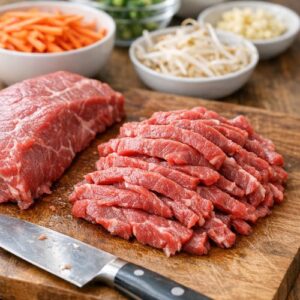
- While your sauce sits, prepare everything else. This is the most important step for low-and-slow cooking at home. Slice your beef sirloin or flank steak as thinly as you can manage—I like to partially freeze mine for 15 minutes first, which makes slicing much easier and creates those paper-thin pieces that cook in seconds. Cut against the grain, which means reading the lines in the meat and slicing perpendicular to them. This breaks down muscle fibers and results in incomparably tender meat. Cut your carrots into pieces about the size of a pencil, roughly an inch and a half long. Cut your broccoli into small florets, no larger than a walnut. Dice your onion into chunks about the same size as your carrot pieces. Mince your garlic finely or have it ready to press. The size consistency matters more than you might think—uniform pieces cook at the same rate, ensuring nothing is mushy while something else remains hard.
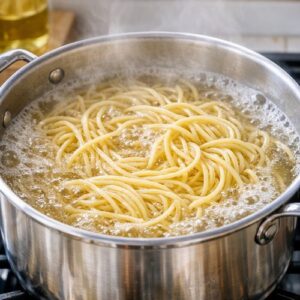
- Bring a large pot of salted water to a rolling boil. Add your lo mein noodles and cook according to package directions, but check them a minute before the recommended time. Authentic lo mein noodles should be tender but not soft—there's a subtle difference. When a noodle bends easily but still has a tiny bit of resistance in the center, they're perfect. Drain them completely in a colander and set aside. Don't rinse them unless they're overly sticky—the starch on their surface helps the sauce cling to them later.
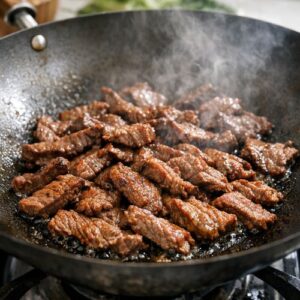
- Heat a large skillet or wok over medium-high heat. Once it's hot enough that a drop of water sizzles immediately, add 1 tablespoon of your cooking oil. Wait 30 seconds for the oil to heat through. This is crucial—cold oil in a hot pan creates that proper sear. Working in batches if necessary (never crowd the pan), add your sliced beef. Let it sit undisturbed for 30 seconds before stirring. This creates a light golden crust. Stir and cook for another minute until the beef is mostly opaque with just a hint of pink inside. The residual heat will continue cooking it. Remove it to a plate and set aside. Don't worry about it being fully cooked through—it will finish cooking when combined with the vegetables and sauce.
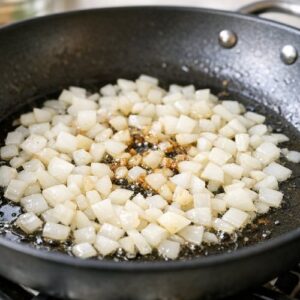
- In the same skillet, add another ½ tablespoon of oil. Add your diced onion and cook without stirring for two full minutes. This is a technique my grandmother swore by—letting the onion develop color and sweetness rather than constantly moving it around. After two minutes, stir and cook for another minute until the onion is golden and becoming translucent at the edges. Push the onion to the sides of the skillet and add your carrot pieces. Again, let them sit undisturbed for about a minute, then stir and cook for another two minutes. The carrots should be starting to soften but still maintain their structure. Add your broccoli florets and cook, stirring occasionally, for about three minutes. The broccoli should be bright green and slightly tender. Now press or mince your garlic directly into the pan with the vegetables. Stir constantly for about 30 seconds—this is just long enough to awaken the garlic's flavor without letting it burn. Burned garlic tastes bitter and harsh, which is why timing matters so much here.
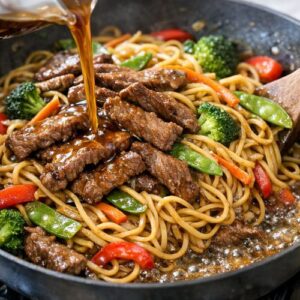
- Return your cooked beef to the skillet with all the vegetables. Pour your prepared sauce over everything and stir gently. The mixture should bubble slightly around the edges. Let it simmer, stirring occasionally, for about two minutes. This allows the flavors to meld and the sauce to coat everything evenly. You should see the sauce thickening slightly—this is the starch from the vegetables and the natural gelatin from the broth concentrate doing its work. Add your cooked noodles to the skillet. Using tongs or two wooden spoons, toss everything together gently but thoroughly, making sure every noodle gets coated with sauce and every piece of vegetable is distributed throughout. This should take about a minute of gentle tossing. Finally, drizzle the sesame oil over the top and toss one final time. The sesame oil should be added at the very end—it's a finishing touch that adds aroma and richness. This is what my grandmother meant by "tying the dish together."
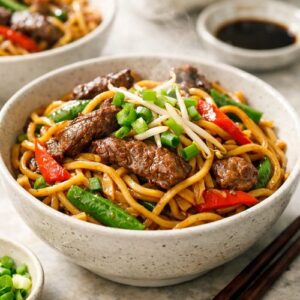
- Divide the lo mein among serving bowls while it's still hot. The heat helps release the aromas and keeps the noodles at their most tender. Serve immediately with chopsticks or a fork, depending on your preference. There's something important about eating this dish while it's warm—not piping hot, but genuinely warm. That's when all the flavors are most alive.
FAQs
What’s the difference between lo mein and chow mein?
This is the question I get most often. Lo mein uses soft noodles that are tossed with sauce, while chow mein typically uses crispier noodles, either fried separately first or cooked until they develop crispy edges. The cooking methods are different too—lo mein is about combining everything gently at the end, while chow mein involves more vigorous cooking. Both are authentic Chinese-American dishes; they’re simply different expressions of noodle cooking.
Can I use fresh noodles instead of dried lo mein noodles?
Absolutely, and in fact, fresh noodles are more traditional. Fresh egg noodles cook much faster—sometimes just 2-3 minutes in boiling water. They have a tender, slightly chewy texture that many people prefer. If you have access to a good Asian market with fresh noodle selections, I genuinely recommend trying fresh noodles at least once. They’re often superior in flavor and texture to dried versions.
Is there a vegetarian version that maintains authenticity?
Yes, and it’s more traditional than you might think. Use vegetable broth instead of beef broth, and add extra vegetables—mushrooms provide umami depth that partially replaces the beef’s savory richness. Tofu or tempeh can provide protein if you want it, though traditional vegetarian lo mein often relies on nuts (cashews or peanuts are wonderful) for protein and textural contrast. The dish shifts in character but remains entirely valid.
How do I prevent my noodles from getting mushy?
Cook them slightly under what you think is done—they should have a tiny bit of firmness in the center. As soon as they come off the heat, drain them immediately and stop the cooking process. Don’t add them to hot sauce and let them sit; toss them quickly and serve. The noodles will continue cooking slightly from residual heat, and if you have them sitting in warm sauce, they’ll continue softening. Timing and immediate service are key.
Can I make this dish without a wok?
Completely. A large skillet works beautifully. You won’t get quite the same high-heat sear on everything, but you’ll still create delicious lo mein. The difference is minimal. My grandmother actually preferred a large skillet because she had better control. The wok is traditional, but don’t let the absence of one prevent you from making this dish. Use what you have and focus on technique instead.
More Recipes From This Tradition
- Bao Recipe Filling – A tender, pillowy bread that carries the same comfort-food spirit as lo mein, perfect for exploring steamed bread traditions
- Baked Pork Chop Rice Recipe – Another one-dish meal with similar layered flavors and nutritional balance
- Authentic Moo Shu Recipe – A stir-fried dish with similar sauce principles and vegetable techniques
Standing in my kitchen now, preparing beef lo mein the way my grandmother taught me, I’m struck by how food carries memory. Every time I slice beef against the grain, or listen to the sizzle of onions in hot oil, or breathe in that magical moment when garlic hits the pan, I’m transported to her kitchen on Elm Street. But more than nostalgia, I’m practicing a form of nutritional wisdom that has sustained families and communities for generations. This dish represents everything I believe about food—that nourishment and tradition, science and soul, efficiency and love can all exist in the same bowl. I hope when you make this, you’ll create your own memories, and perhaps honor the traditions that brought this recipe to your table. Happy Cooking!